The federal government unveiled a temporary framework Friday that would trim water deliveries from the Colorado River for the Lower Basin states — including Nevada, Arizona and California — in an attempt to avert an imminent supply crisis.
What the federal blueprint would do
Under the proposal from the U.S. Bureau of Reclamation, the three Lower Basin states could face combined reductions of as much as 3 million acre-feet through 2036, a volume the Interior Department said equals roughly the annual water need of more than 25 million people. The plan also sets a range for annual releases from Lake Powell between 5 million and 12 million acre-feet, with water management decisions to be revisited every two years.
“This framework provides the flexibility to respond to changing hydrologic conditions while preserving the opportunity for the Basin States to continue working toward durable, consensus-based solutions,” said Secretary of the Interior Dough Burgum.
The proposal spares the Upper Basin states — Colorado, Utah, New Mexico and Wyoming — from mandatory reductions for now. Still, federal officials framed the document as a stopgap while the seven Colorado River basin states, tribal nations and Mexico continue long-term negotiations.
Why Nevada should pay attention
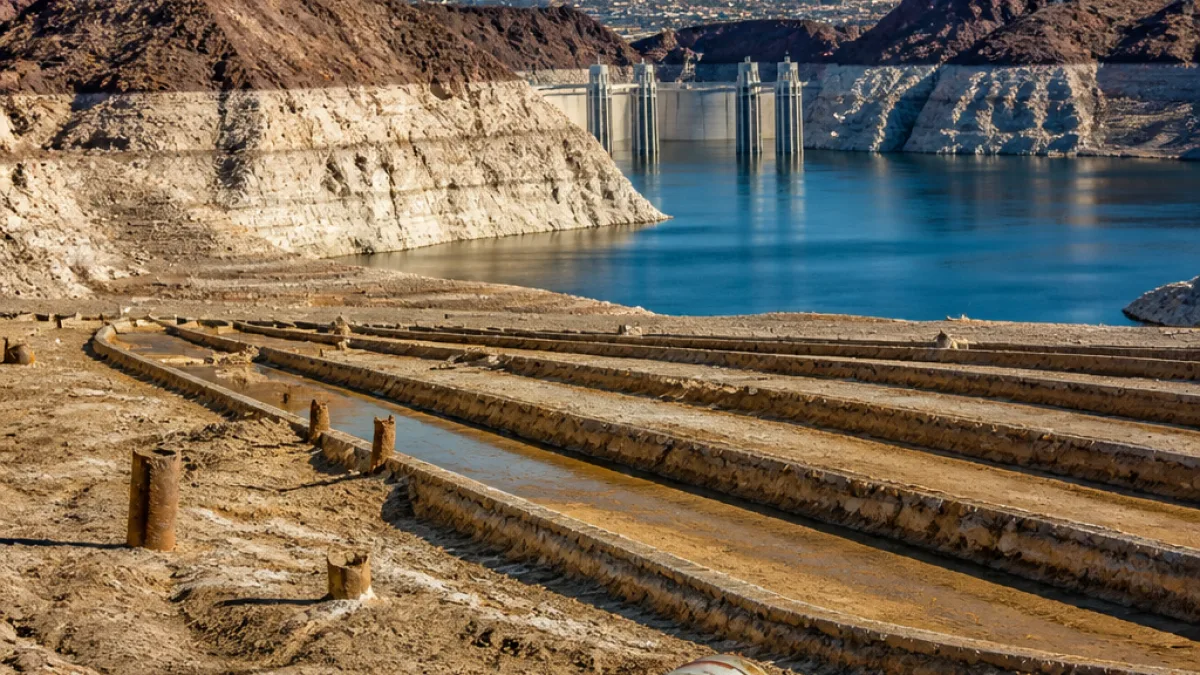
Las Vegas and other Nevada communities rely heavily on the Colorado River system for municipal water, irrigation and hydropower. Lake Mead, the Lower Basin’s largest reservoir, has been steadily dropping after years of drought and low snowpack. A federal plan that reduces river deliveries will ripple across southern Nevada, affecting everything from water rates to how much groundwater utilities tap.
Local officials have not yet released details about specific reductions Nevada might face under the federal framework. But water managers and economists warn that cuts at the scale proposed could trigger:
- Higher water prices for consumers and businesses as supply shrinks and utilities seek alternatives
- Increased reliance on groundwater and additional investments in wells and treatment
- Reduced irrigated acreage and more fallowed farmland in nearby agricultural regions
- Stricter conservation mandates, possibly in places that have not had such measures before
- Impacts on hydropower generation and the electricity mix tied to reservoir releases
Scope of the crisis
The Colorado River runs roughly 1,450 miles and supports more than 40 million people across seven U.S. states, several tribal nations and communities in Mexico. The Interior Department said the proposed reductions are “subject to hydrology,” an acknowledgment that future snowpack and inflows to mountain reservoirs will shape how cuts are implemented.
| Figure | What it means |
|---|---|
| 3 million acre-feet | Maximum combined reductions for California, Arizona and Nevada through 2036 |
| 5–12 million acre-feet | Annual Lake Powell release range under the plan |
| 25+ million people | Approximate annual population served by 3 million acre-feet |
| 1,450 miles | Length of the Colorado River |
Local impact and what comes next
Federal officials said the plan will be finalized in the coming days. For Nevada, the clock is already running on preparations: urban water agencies, state water planners and power managers must evaluate short-term contingency options while negotiations continue toward a durable allocation system.
Residents may soon see calls for intensified conservation campaigns and are likely to face decisions about infrastructure spending on groundwater wells, treatment upgrades and recycled water projects. Agricultural interests in the region could see curtailed water supplies, affecting local food production and regional economies.
The measure marks the most substantial proposed reductions to the river to date and follows years of stalled talks and a record-dry winter that pushed reservoir levels to historic lows. While the framework aims to give managers flexibility to respond to changing conditions, it also underscores the depth of the challenge in reshaping water use across a large, diverse basin.
For Nevadans, the proposal will reverberate in city budgets, backyard landscaping habits and the long-term planning that utilities and elected officials must undertake to secure the state’s water future.
Federal officials and basin-state negotiators have stressed the plan is temporary. If finalized, its implementation will be watched closely across the West as cities, tribes, farmers and industries adjust to smaller Colorado River allocations while searching for durable, consensus-based solutions.