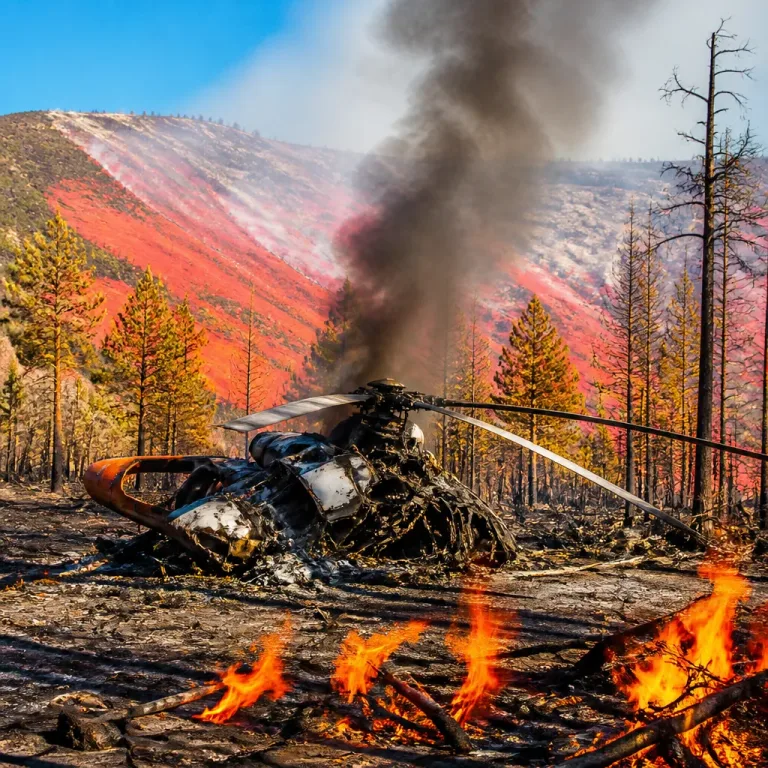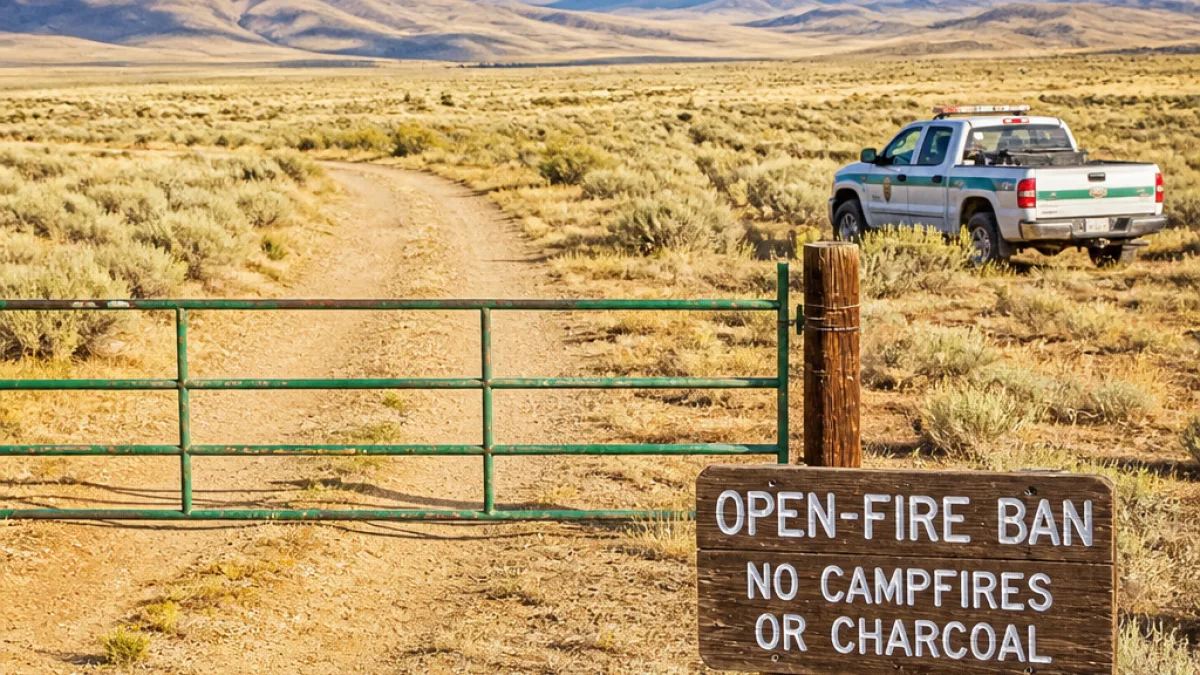
The Wyoming Game and Fish Department announced an immediate restriction on open flames across the bulk of its commission-managed properties, citing extreme drought and a heightened risk of wildland fire.
Scope of the ban
The prohibition applies to most lands under Commission ownership and administration, including 45 Wildlife Habitat Management Areas (WHMAs) and 199 Public Access Areas (PAAs). Officials said the decision is intended to reduce the likelihood that a single spark or unattended campfire will ignite a blaze that could spread through dead fuels and degraded forage.
What visitors cannot do
Under the new restrictions, the following activities are not allowed on affected properties:
- Building or using any fire, including campfires and wood-burning stoves.
- Operating charcoal grills or coal stoves.
- Smoking outside of enclosed vehicles, buildings or specifically developed recreation sites.
- Using fireworks (already prohibited on Commission lands).
Department guidance clarifies limited exceptions and safety requirements. For example, gas grills may be used if accompanied by suitable fire-suppression equipment. Operations such as welding and cutting are permitted only in cleared areas with a minimum safety radius and appropriate suppression on hand. All internal and external combustion engines must have an approved spark arrestor.
Why managers acted now
Game and Fish managers pointed to prolonged dry conditions that have left uplands, grasslands and shrub-steppe fuels vulnerable to rapid ignition. Many of the properties in question serve as crucial winter range for big game; a wildfire in those settings could sharply reduce available forage and alter habitat quality in the seasons ahead.
Practical advice for recreationists
Officials urged anyone planning outings to check local restrictions for the specific property they intend to visit. County-level bans and closures by federal agencies such as the U.S. Forest Service or Bureau of Land Management may differ from the Commission order and can change quickly as conditions evolve.
Key steps for safe recreation this season:
- Confirm fire rules for your destination before you go.
- Carry a shovel, water and tools to extinguish any accidental ignition.
- Keep vehicles and trailers maintained to prevent mechanical sparks.
- Use gas grills only with suppression gear and in approved locations.
Numbers at a glance
| Type of property | Number affected |
|---|---|
| Wildlife Habitat Management Areas (WHMAs) | 45 |
| Public Access Areas (PAAs) | 199 |
Broader context
Fire restrictions are one of several tools land managers use to lower the likelihood of human-caused conflagrations during periods of low moisture and high temperatures. The ban on Game and Fish lands supplements local county directives and federal fire closures, and is part of a patchwork of safeguards that vary by jurisdiction.
Because many of the commission properties are managed for winter forage and migration corridors, the department framed the measure as both a public-safety and a conservation action. Reduced vegetation after a wildfire can limit food and cover for elk, deer and other species, complicating recovery for years.
Where to get current information
The department advised recreationists to consult local offices and the Wyoming State Forestry website for the latest county restrictions. It also encouraged contacting U.S. Forest Service or Bureau of Land Management field offices when travel takes people onto federal lands, where rules may not align with Commission actions.
Residents and visitors should treat the ban as active until officials lift it, and plan activities accordingly. As the state continues to contend with drought conditions, the emphasis is on preventing avoidable starts that can overwhelm firefighting resources and threaten communities, ranches and wildlife habitat.
For now, those who use public lands are reminded that vigilance and careful planning remain the best defense against a devastating wildfire season.