The City of Columbia is scheduling targeted maintenance on its Roadside Pollinator Program sites after unusually heavy rain in July led to pronounced overgrowth in several locations.
Work to begin this week, two to three week window
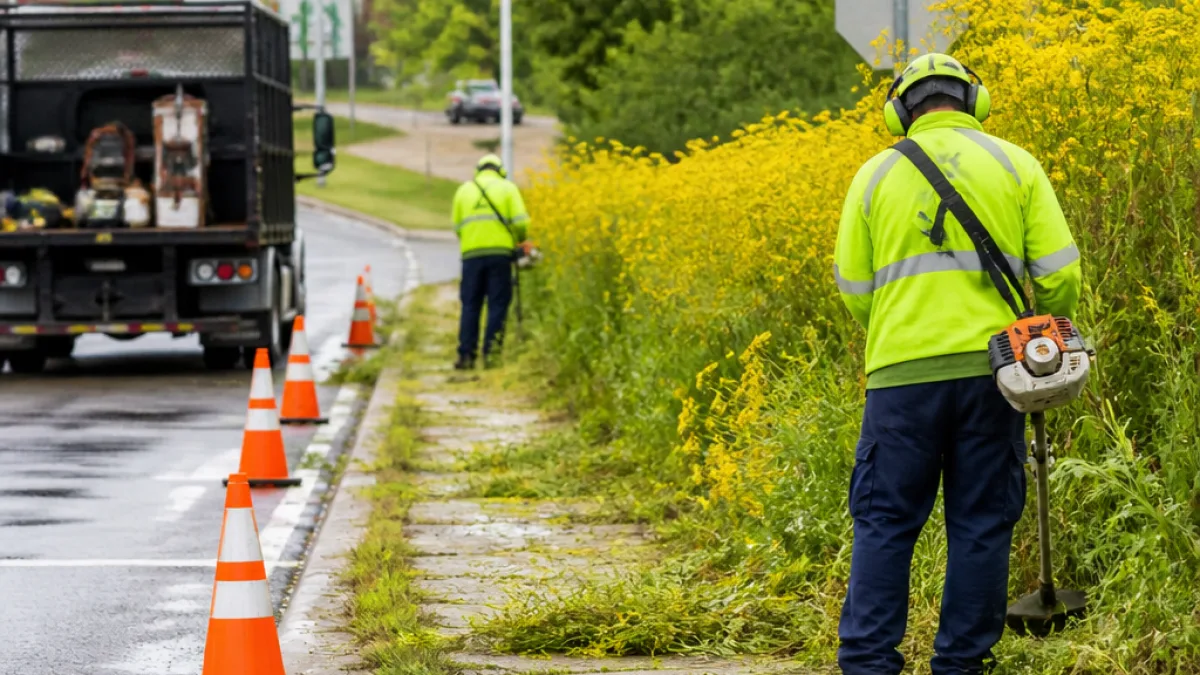
Columbia Public Works has entered into an agreement with a contractor to begin work this week on patches of vegetation that have become bushy or woody, a department official said. The maintenance is expected to last two to three weeks as crews start on the most overgrown stretches and move to other areas as needed.
Public Works Engineer Manager Richard Stone said the program — commonly referred to around the city as the "no-mow zones" — was established to promote biodiversity and was placed in locations selected for habitat potential. He said the initial maintenance priorities will be the zones along Scott Boulevard and Range Line Street, where vegetation became especially dense after the July rains.
Balancing habitat, safety and cost
Stone described the current work as trimming of the "bushy and woody elements" that have emerged. The city faces a routine trade-off: preserve pollinator habitat while keeping roadside sightlines clear for drivers and emergency responders.
"Over the next couple of weeks, we're going to be doing some trimming of some of the bushy and woody elements that are in those areas," Stone said.
Officials acknowledged last year’s maintenance was limited. Stone said about $85,000 was the city’s estimated cost last year to maintain all pollinator zones consistently, and that limited spending meant crews "just barely managed" the areas in 2025. That reduced attention has left some sites needing more aggressive trimming this season.
Stone said the department is looking for a workable approach that keeps the zones clear enough to avoid creating traffic hazards while also seeking ways to reduce long-term maintenance costs. He said Public Works is trying to determine the spending level at which maintenance efforts break even with the benefits of the program.
Residents express support and concern
Some neighbors support the environmental goals of the no-mow zones but have voiced worries about visibility. Andrea Smith, a southwest Columbia resident, told local reporters she appreciates the environmental benefits but wants vegetation to be trimmed because she sometimes finds it hard to see emergency personnel when driving near the sites.
- Program name: Roadside Pollinator Program (also referred to as "no-mow zones").
- Initial maintenance sites: Scott Boulevard and Range Line Street.
- Estimated timeline: work beginning this week and expected to last two to three weeks.
- Recent cost reference: approximately $85,000 estimated last year to maintain all zones.
What this means for Columbia
For drivers and neighbors near designated pollinator strips, the immediate impact should be reduced overgrowth and improved sightlines as crews complete trimming. For advocates of urban biodiversity, the episode underscores a recurring municipal challenge: sustaining green infrastructure projects requires recurring funding and operational planning.
Public Works is balancing competing goals: keeping roadways safe and visible, preserving habitat for pollinators and managing the program within budget constraints. As the department moves forward with contracted maintenance, city officials will be watching to see whether trimming alone is sufficient or whether adjustments in siting or long-term funding will be required to keep the program effective and safe.
| Item | Detail |
|---|---|
| Program | Roadside Pollinator Program ("no-mow zones") |
| Initial maintenance locations | Scott Boulevard; Range Line Street |
| Timeline | Starts this week; expected 2–3 weeks |
| Recent estimated annual maintenance cost | $85,000 (estimate from last year) |
Residents who live near the no-mow strips said they were not officially notified in advance of the maintenance schedule. The city’s approach over the coming weeks will likely shape local discussions on how Columbia balances stewardship of native plants and pollinators with neighborhood safety and municipal budgets.