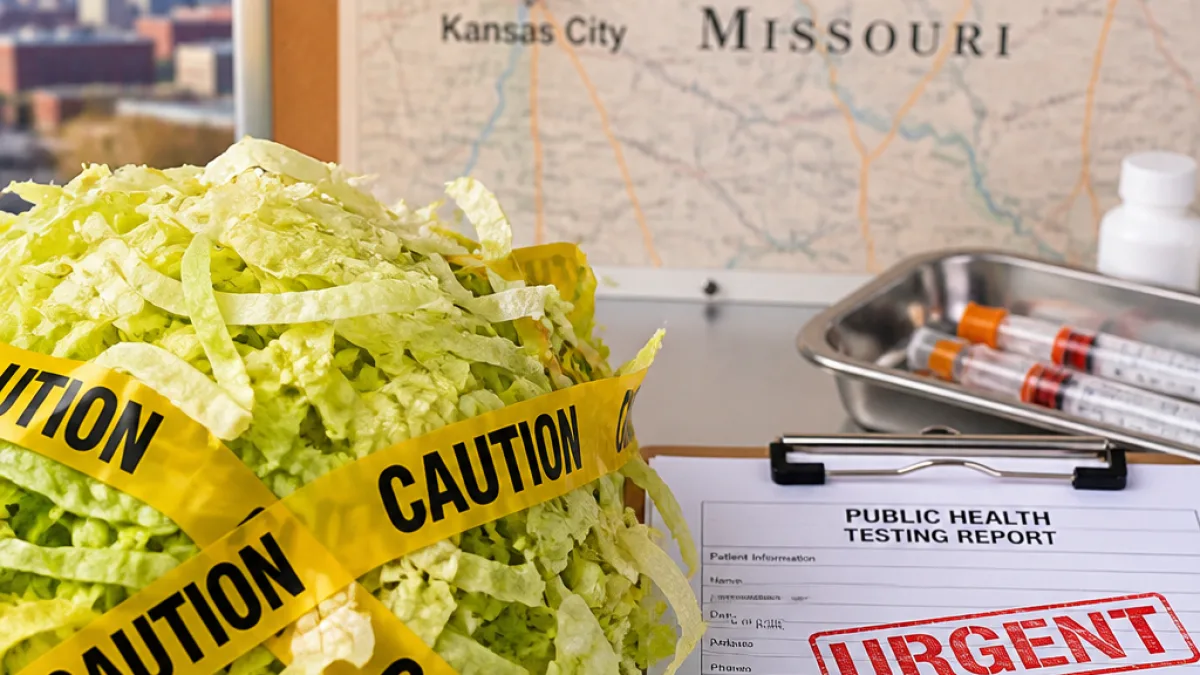
The Missouri Department of Health and Senior Services reported a sharp increase in cyclosporiasis cases Sunday, saying the state has documented 1,095 infections as of Aug. 2 — roughly double the number reported the previous week.
Outbreak details and links to national probe
State health officials said new confirmed cases are being reported every day and they expect case counts to continue to climb. The department has not released a county‑by‑county breakdown of cases.
The Centers for Disease Control and Prevention has linked a multistate cyclosporiasis outbreak to shredded iceberg lettuce produced in central Mexico in nine states. Missouri, however, is not among those nine, and the CDC told state health authorities that infections in Missouri "are not related to the lettuce outbreak," according to the state health department. The department said it expects Missouri to be added to the official CDC outbreak map soon as epidemiologists continue investigations.
What officials are advising residents
Health experts in Missouri urged residents to take routine food‑safety steps while investigators work to identify the sources of the state’s cases. Officials recommended that people:
- Check for recalled produce and food products.
- Thoroughly wash or cook fresh produce before eating.
- Seek medical care and testing if they develop symptoms consistent with cyclosporiasis.
State health officials noted increased awareness of cyclosporiasis symptoms likely is contributing to the rise in reported cases, as more people are being tested after becoming ill.
| Metric | Value |
|---|---|
| Missouri reported cases (as of Aug. 2) | 1,095 |
| Case count previous week | Fewer than 600 |
| States linked to lettuce outbreak | 9 (Missouri not included) |
Investigations continue
The CDC is overseeing the multistate investigation while state public health departments, including Missouri’s, pursue separate cluster investigations when cases lack a clear connection to the central lettuce probe. The Missouri Department of Health and Senior Services said epidemiologists are working to identify common exposures among patients and to determine whether different batches of contaminated product, or other produce items, are involved.
Officials did not provide details on which counties in Missouri currently have reported cases nor did they name specific retailers or food establishments under investigation. That matching of exposures to patients typically takes time, requiring interviews and laboratory testing.
Practical steps for Missourians
Cyclosporiasis is an intestinal illness caused by the parasite Cyclospora cayetanensis. While state materials emphasize prevention through food‑safety measures and awareness, they also urge people who fall ill to contact a health care provider. Testing can confirm the infection and guide treatment decisions. The Missouri department reminded clinicians to consider testing for Cyclospora when patients present with compatible symptoms and a history of recent foodborne illness.
Local health departments may post additional guidance and updates as investigations progress. Consumers are advised to monitor recalls through official channels and to follow the advice of public health officials.
As the state continues to receive daily reports of confirmed infections, health authorities are balancing an active investigation with public guidance aimed at reducing further illnesses. Missouri residents who are unsure whether to seek testing or who want information about food recalls should consult their health care provider or local public health department.
This article will be updated as officials release more detailed case locations and findings from ongoing investigations.