
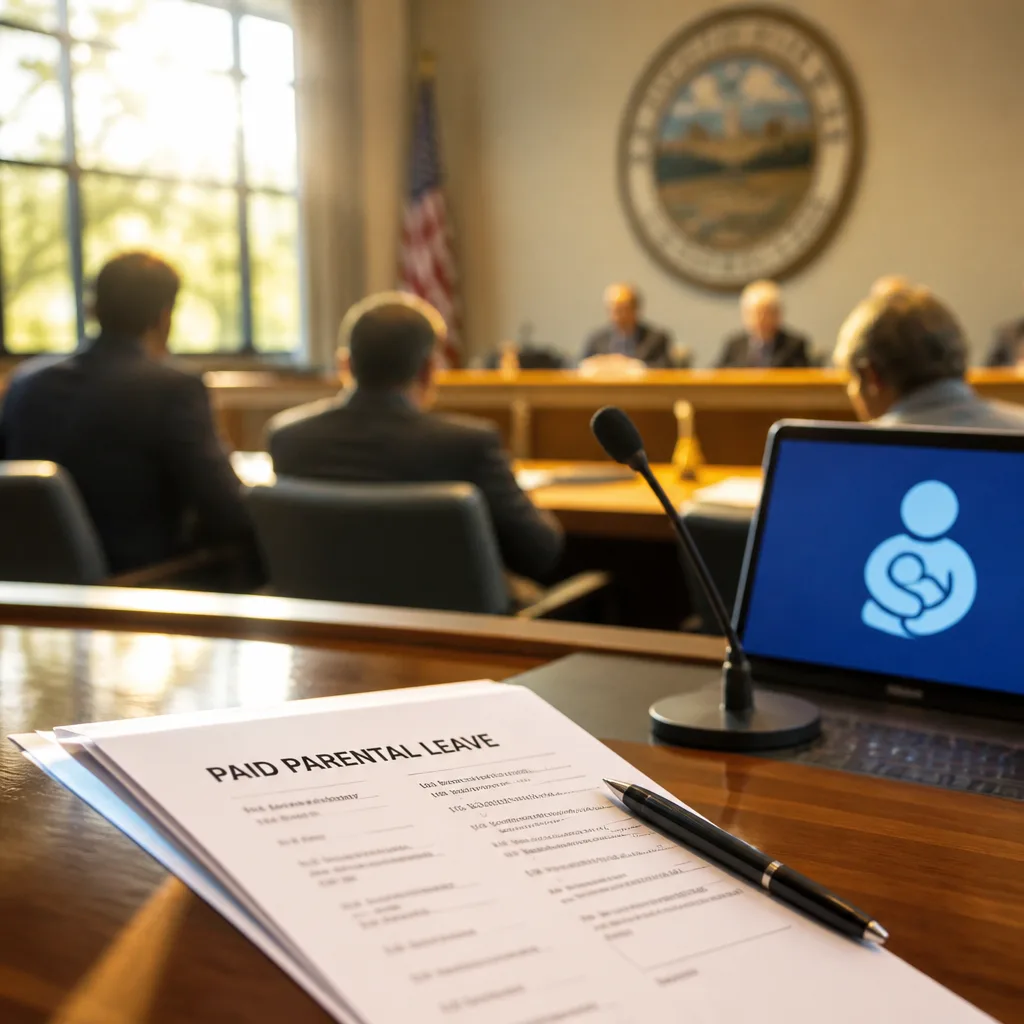
The Allegheny County Health Board voted to approve a paid parental leave policy for its employees, the board announced. The action places the county health department among a growing number of public employers adjusting benefits to support employees during the perinatal period and following the arrival of a child.
What the board decided
At a regular meeting, board members cast votes that resulted in approval of the new leave policy for departmental staff. Specific operational details of the policy as adopted — including its duration, eligibility rules and implementation timeline — were not included in the initial public notice accompanying the vote.
Why it matters
Paid parental leave policies at public health agencies affect workforce stability, employee retention and the ability of departments to maintain services during staff absences. For employees, paid leave can reduce financial strain after childbirth or adoption and can facilitate bonding with a new child while preserving job security.
- Employee support: Paid leave can provide income continuity during a period when many workers need to reduce hours or stop work temporarily.
- Service continuity: Agencies that codify leave policies can better plan for temporary staffing needs and maintain program delivery.
- Public health link: Workforce policies at health departments influence the local public health system’s resilience and capacity.
Context in the national landscape
The vote in Allegheny County takes place amid nationwide discussions about how best to structure paid family and medical leave. The United States does not have a universal, federally mandated paid parental leave program; federal law provides job-protected unpaid leave for eligible employees under the Family and Medical Leave Act, while paid leave programs vary by state and employer. Local and municipal governments have increasingly been sites for policy innovation on benefits, including family leave.
Public health agencies adopting paid parental leave can signal shifting expectations for public-sector employment packages and may influence other local governments and health departments considering similar measures. For employees in health services — where continuity of care and staffing are often critical — clarified leave policies have operational as well as personal implications.
Next steps and implementation
With board approval complete, the department will need to finalize administrative procedures to operationalize the policy. Typical next steps for such actions include:
- drafting or updating personnel regulations and payroll procedures;
- communicating eligibility and application steps to staff;
- allocating budget or identifying funding streams to support paid leave payments;
- coordinating with human resources to ensure compliance with other employment laws and benefits.
The board’s decision will be followed by internal implementation work and public communications from county officials as employees begin to make use of the new benefit.
| Entity | Action |
|---|---|
| Allegheny County Health Board | Voted to approve a paid parental leave policy for department employees |
Officials on the national and state levels continue to debate models for paid leave, including employer mandates, state-run insurance systems and voluntary employer policies. Local actions, like the Allegheny County vote, are part of a patchwork of approaches shaping how families and employers manage the transition to parenthood.
Further details about the specific provisions of the new Allegheny County policy are expected to be released by county officials and the health department as they move to implement the board’s decision.