The Oklahoma Sooners will open the 2026 campaign with a changed look along the offensive line as Caleb Nitta is slated to start at center for Friday's season opener against UTEP. The move is the direct result of injuries to two projected starters during the closing stages of fall camp and again this week, creating immediate consequences for a team facing a quickly steepening schedule.
Wheel of fortune on the interior line
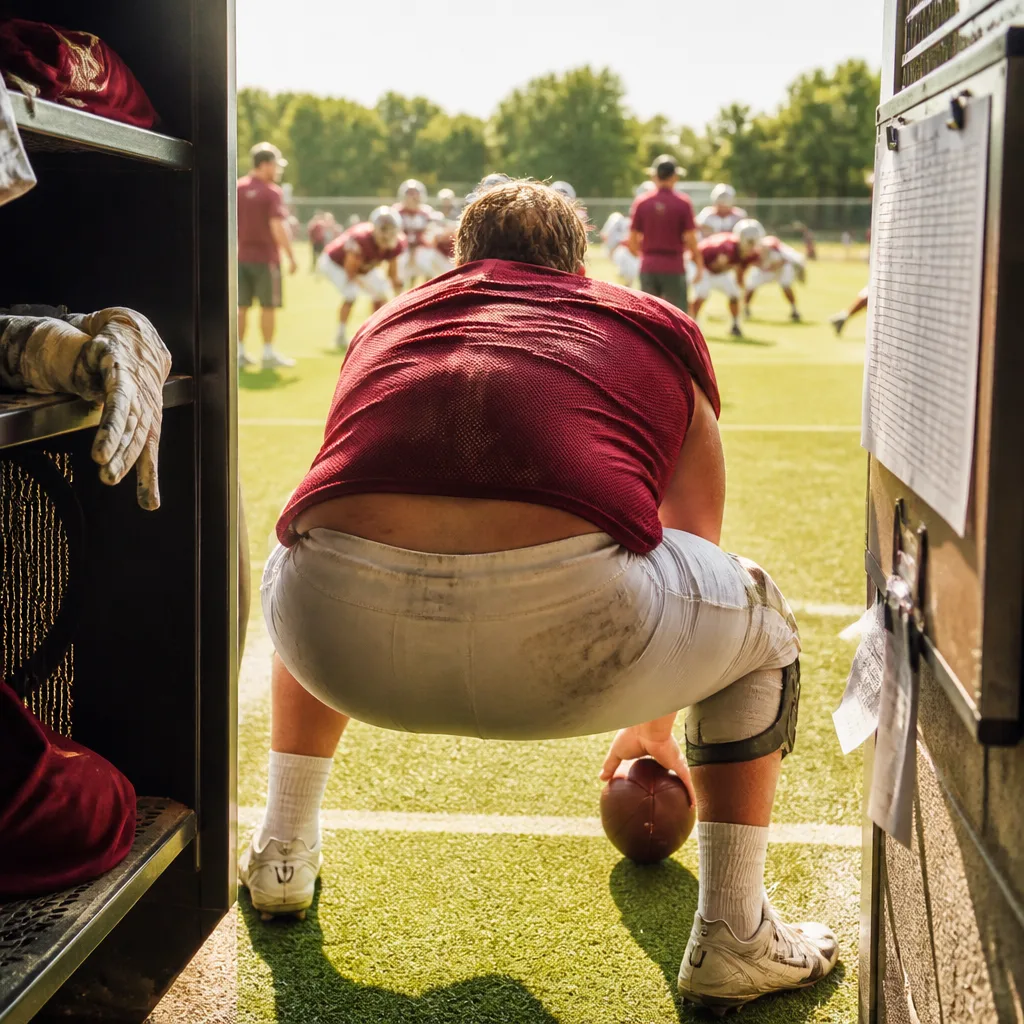
Nitta’s elevation follows an injury to projected starting center Jake Maikkula, suffered late in fall camp, which prompted a domino shift across the unit. Right guard Ryan Fodje moved over to center to fill that void, but Fodje then sustained an injury earlier this week and will not play against the Miners. Coaches elected to start Nitta at center while options Heath Ozaeta and Noah Best remain in the competition to man the adjacent interior spots.
This week’s personnel changes are framed by a simple, urgent reality: Oklahoma gets a relatively soft opener at home but immediately faces a major test the following week when it travels to take on Michigan. That schedule turn makes the health and cohesion of the offensive line more than a short-term storyline; it is foundational to how the Sooners protect the quarterback and establish a running game against top-level opponents.
Who to watch vs. UTEP
- Caleb Nitta — slated to start at center; his performance will shape early confidence in the reshuffled front.
- Heath Ozaeta and Noah Best — both are candidates to step into increased roles next to Nitta; their chemistry with the line will be observed closely.
- Jake Maikkula and Ryan Fodje — both injured; neither is expected to play Friday, though neither injury is described as long-term.
The coaching staff’s decision to start Nitta reflects a delicate balance: deploy a player who can steady the unit against UTEP’s attack, but also keep an eye on development and recovery timelines for Maikkula and Fodje so the line can be as healthy as possible for the more daunting matchups ahead.
Immediate and longer-term consequences
Short-term, the switch is designed to get Oklahoma through an opener where the margin for error is relatively forgiving. But longer-term, repeated shuffling on the interior can hinder continuity — the kind of continuity an offense needs to face power rushing fronts and elite edge rushers. The Sooners’ offensive rhythm, play-calling balance and pass protection schemes will all be tested if the changes persist into September.
| Player | Position | Current status |
|---|---|---|
| Caleb Nitta | Center | Slated to start vs. UTEP |
| Jake Maikkula | Projected starting center | Injured late in fall camp |
| Ryan Fodje | Projected starting right guard | Moved to center, injured this week |
Fans should not read panic into the changes; the available reporting indicates neither Maikkula’s nor Fodje’s injuries are expected to be long-term. Still, the timeline for their return and how quickly the backups gel will be critical. The Sooners have a chance to use Friday night's game as a stabilizer — a controlled environment to let new combinations find their footing.
For Oklahoma supporters, the opener will be as much about watching the human side of a team adapt under pressure as it is about the final score. The line’s performance will set the tone for an early-season stretch that pivots almost immediately from a tune-up to a national measuring stick.
Expect the narrative after the game to revolve around two questions: did the backups keep clean pockets and create lanes for the run, and are Maikkula and Fodje on track to rejoin the starting group in time to meet the tougher tests ahead?