LA PAZ, Bolivia — A small, spotted feline that had been cared for at a wildlife sanctuary in Bolivia has been identified as a previously unknown species of wild cat, researchers reported Thursday in the journal Current Biology. The finding marks the first time scientists have described a new living wild cat species in more than 100 years.
Found in plain sight
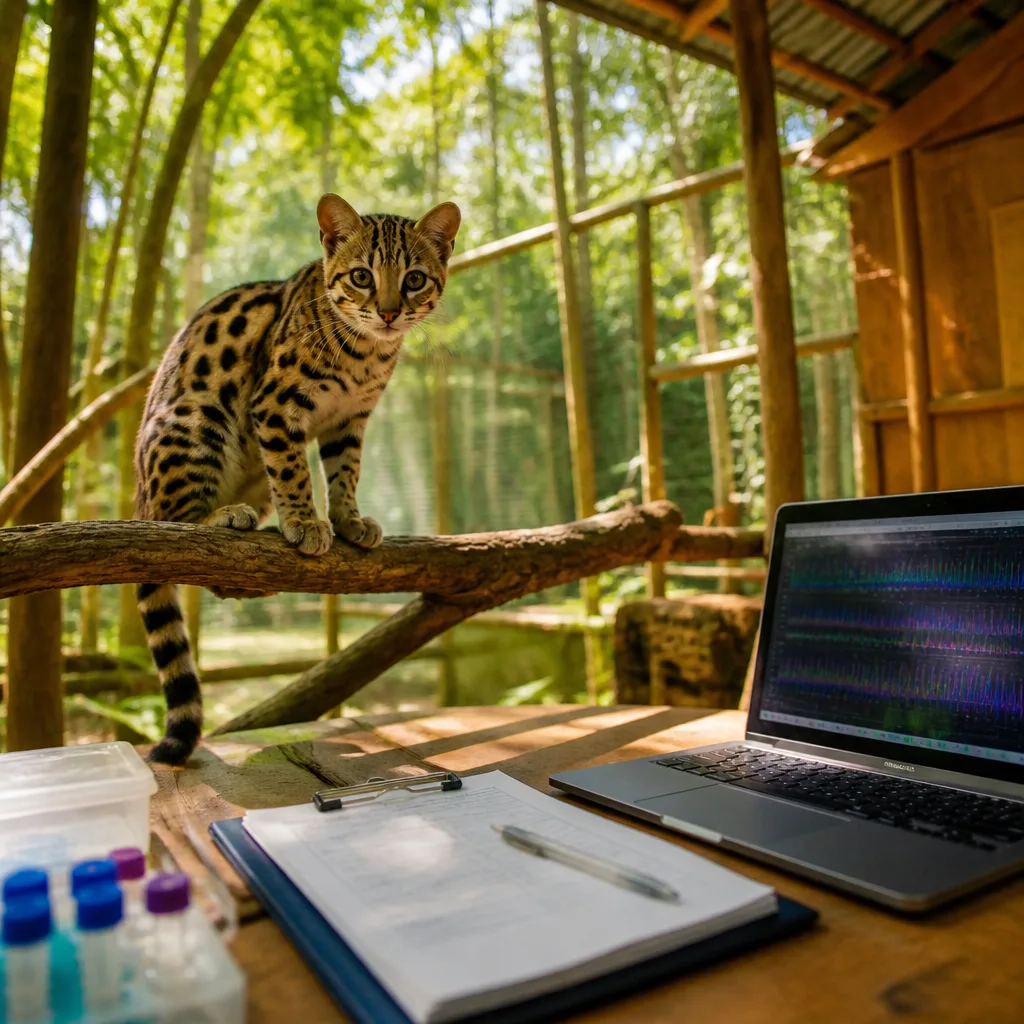
Bolivian biologist Paola Nogales-Ascarrunz, a National Geographic explorer and one of the study’s lead authors, said the animal drew attention because of its unusual size and appearance. The male cat, now roughly 10 years old, had been left at a sanctuary in the Yungas region by a local family that found it in the forest and was unable to keep it.
“Knowing other wild cats, it was peculiar,” she said. “He really is tiny.”
The animal measures about 18 inches (46 centimeters) from head to the base of its tail and weighs only 3 pounds (1.4 kilograms). Its coat is light brown with dark, leopard-like spots — a look familiar to observers who call many South American felines "tiger cats" — but genetic tests show a distinct lineage.
Genomes reveal a hidden lineage
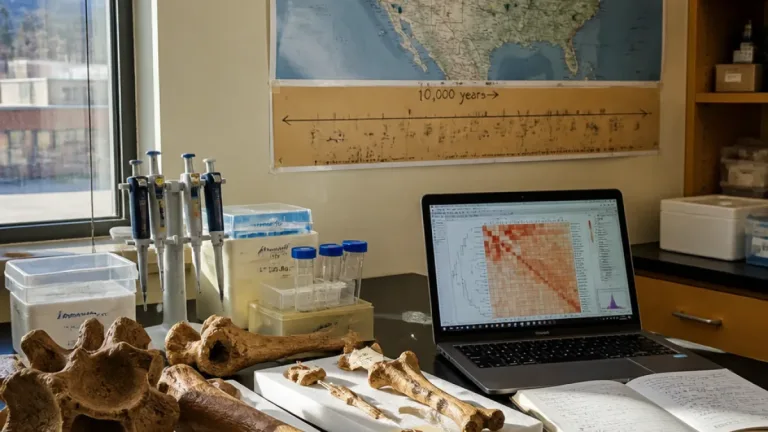
To place the animal in the broader family tree of South American felines, researchers compared whole genomes — the full complement of an organism’s DNA — from more than 30 cats. Samples came from populations across the region, including specimens from Colombia, Peru and Brazil, as well as bones and preserved skins held in collections. Those genomic comparisons provided the evidence needed to recognize the sanctuary animal as a separate species.
Authors of the study say the work suggests that what were once thought to be similar "tiger cats" in South America actually hide greater genetic diversity than previously appreciated. That raises immediate questions about how many distinct lineages remain unrecognized and what their conservation status might be.
Conservation and research next steps
Scientists emphasized that the discovery at a sanctuary is only the beginning. The most pressing challenge is to learn more about the species in its natural environment — its range, population size, habitat needs and threats. Without that information, it will be difficult to assess the animal’s risk of extinction or to design effective conservation measures.
- Discovery reported in Current Biology.
- Animal found at a wildlife sanctuary in Bolivia’s Yungas region.
- Genomes from over 30 cats across South America compared.
Researchers also noted the role of museum collections and preserved specimens — bones and skins — which contributed data to the genomic analyses and helped clarify evolutionary relationships among small neotropical felids.
| Feature | Measurement |
|---|---|
| Length (head to base of tail) | 18 in / 46 cm |
| Weight | 3 lb / 1.4 kg |
| Genomic comparisons | More than 30 cats |
The discovery underscores how much remains to be learned about mammal diversity in South America, even as human activity and habitat loss continue to press on wildlife. Taxonomic revisions driven by genomic tools are reshaping scientists’ understanding of species boundaries, but they also create urgency: naming a species is an initial step toward assessing and protecting it, not an endpoint.
For conservationists, the next tasks are clear and practical — to locate wild populations, estimate numbers, map habitat and identify threats — all essential information for determining whether the newly recognized cat requires targeted protection. Until field surveys and further study fill those gaps, the cat’s status in the wild will remain uncertain.
The revelation that a distinct wild cat had been living in a Bolivian sanctuary for years invites a double-take: biodiversity can still surprise us where we least expect it, and modern genetic tools can reveal hidden branches of the tree of life that museums and field biologists together are just beginning to map.