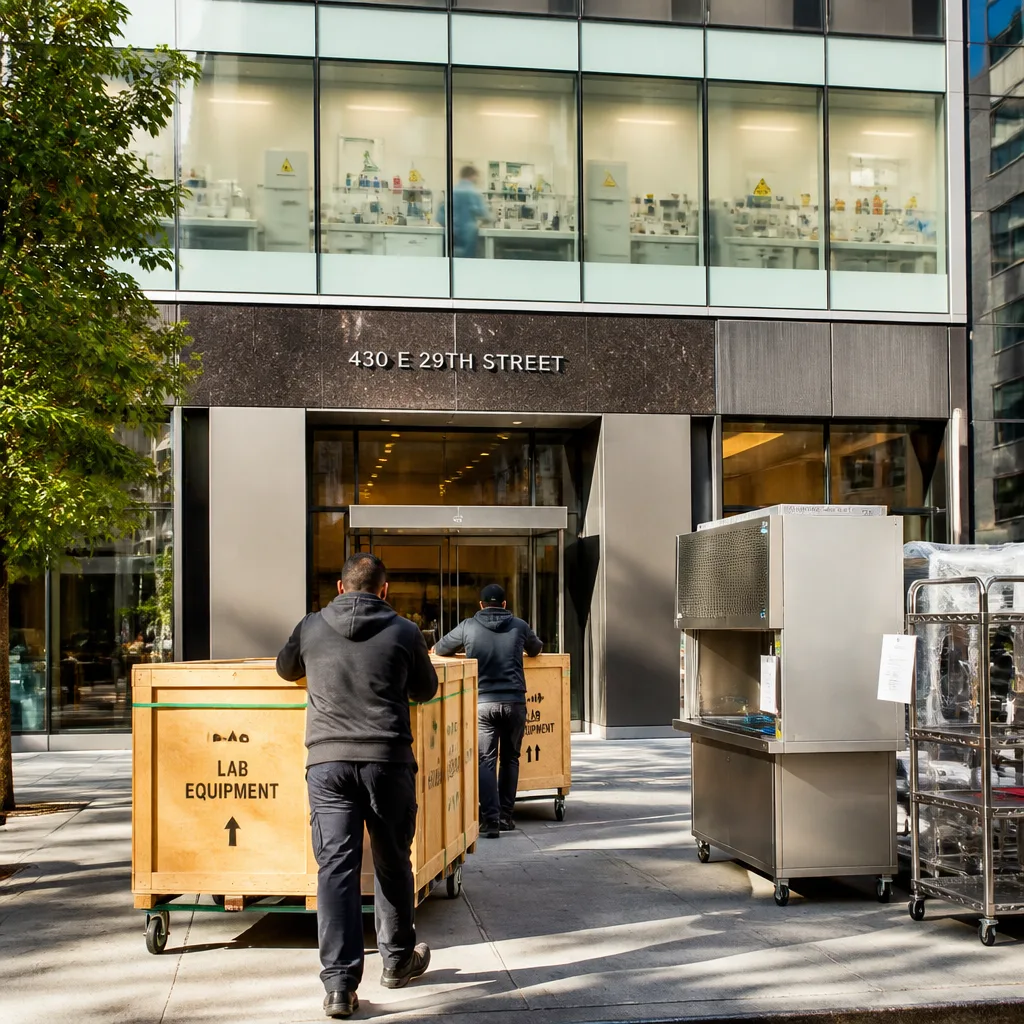
Volastra Therapeutics will relocate its laboratory operations from West Harlem to Midtown South, signing an 18,120‑square‑foot sublease at the Alexandria Center for Life Science at 430 East 29th Street, according to brokerage firm CBRE.
Move brings company into a central life‑science hub
The space, on the 11th floor, is being taken from Black Diamond Therapeutics, which is subleasing the laboratory area inside the Alexandria Real Estate Equities‑owned building. Volastra is leaving the Mink Building, its previous address on Amsterdam Avenue in West Harlem, as it consolidates operations into an established life‑science cluster in Midtown South.
“Volastra’s decision to establish its operations at the Alexandria Center for Life Science is a testament to the company’s momentum and long‑term vision,”
The statement, provided by CBRE and attributed to broker Joe DeRosa, emphasized that the move supplies the company with “best‑in‑class laboratory infrastructure in a premier location” and supports its next stage of growth.
Context: what this lease says about the market
The transaction arrives as Alexandria Real Estate Equities reported signs of recovery following a period of weak performance for life‑science landlords. Executives at Alexandria pointed to an uptick in leasing activity across their portfolio after several quarters in which oversupply and funding cutbacks weighed on demand.
CBRE did not disclose the sublease asking rent for Volastra’s new space. For context, CBRE reported an average office asking rent in Midtown South of $85.73 per square foot in the second quarter of 2026.
- Tenant: Volastra Therapeutics (subtenant)
- Lessor: Alexandria Center for Life Science (owned by Alexandria Real Estate Equities)
- Space: 18,120 square feet, 11th floor (previously occupied by Black Diamond Therapeutics)
Why subleases matter for lab landlords and startups
Subleases like this one play a dual role in the current market: they allow companies to scale or relocate without committing to new long‑term buildouts, and they help landlords backfill space vacated during the market’s softer phase. Alexandria and other life‑science landlords have relied in part on backfilling recently freed laboratory suites to restore occupancy and cash flow.
For firms in the early clinical and research stages, finding ready‑built lab facilities in dense life‑science corridors can accelerate timelines and reduce the capital required to equip specialized space. That practical advantage, combined with proximity to academic hubs and a talent pool in Manhattan, likely influenced Volastra’s decision to move to the Alexandria Center.
Numbers at a glance
| Metric | Value |
|---|---|
| Sublease size | 18,120 sq ft |
| Building | Alexandria Center for Life Science, 430 East 29th St. |
| Prior location | Mink Building, 1361–1369 Amsterdam Ave., West Harlem |
| Midtown South average asking rent (Q2 2026) | $85.73/sq ft (CBRE) |
CBRE’s Joe DeRosa negotiated the deal for Volastra; John Isaacs represented Black Diamond, the sublandlord. The brokerage did not release the financial terms of the assignment.
The transaction underscores how life‑science real estate is evolving from a pandemic‑era boom into a more measured market. After rapid expansion left some markets oversupplied and after federal research funding tightened, landlords and occupiers are finding new equilibrium through subleases and targeted backfills rather than speculative buildouts.
For companies like Volastra, the benefit is clear: immediate access to laboratory infrastructure in a prominent science park without assuming the cost and delay of custom construction. For landlords, leasing moves like this are a practical route to restoring occupancy and reactivating facilities that had been left vacant during market turbulence.
As life‑science firms continue to weigh where to locate research operations, transactions of this kind will be watched closely as indicators of broader recovery or contraction across U.S. research corridors.