
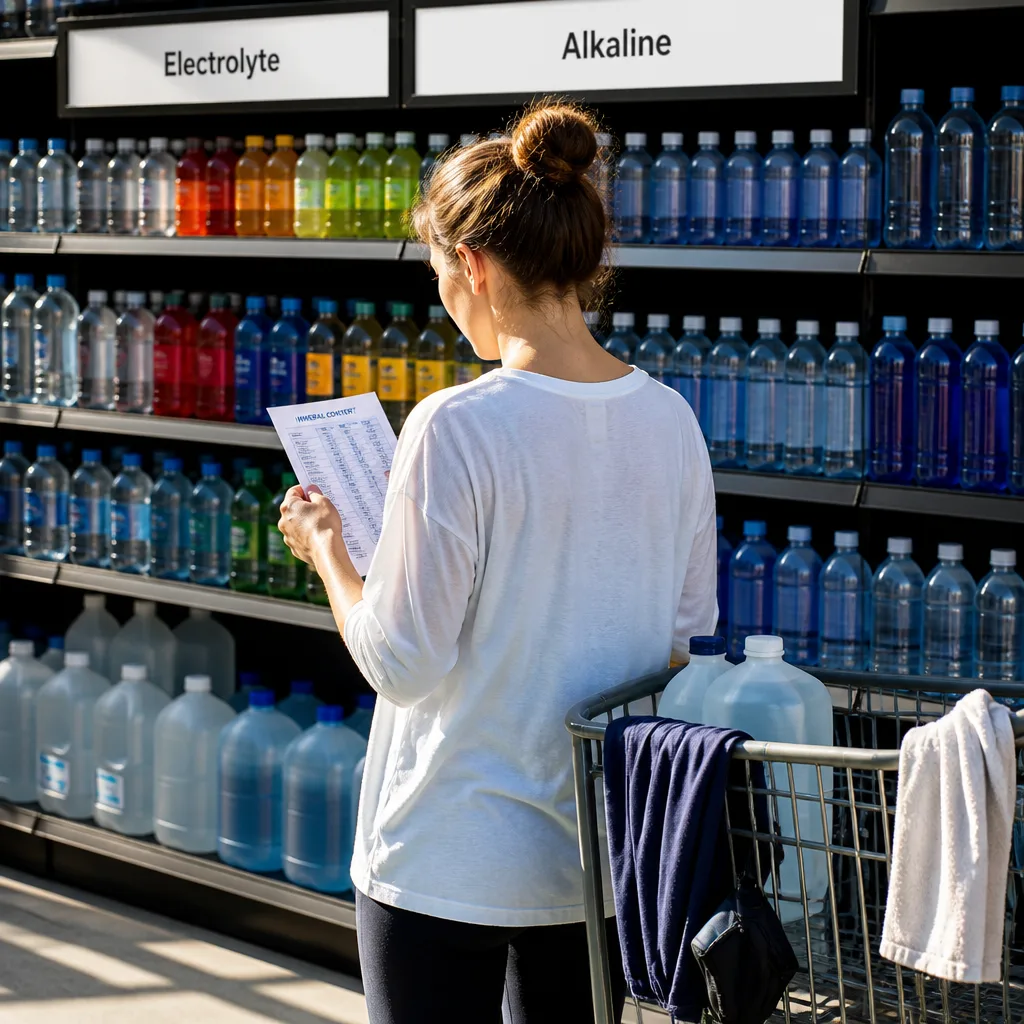
As shoppers see more bottled products labeled electrolyte or alkaline water, extension health specialists warn that the true benefits depend on circumstances and individual health. For most people, plain water remains sufficient for daily hydration, but electrolyte solutions can be useful after prolonged exertion, heavy sweating or illnesses that cause significant fluid loss.
When electrolytes matter
Electrolytes are minerals—such as sodium and potassium—that influence the body’s fluid balance and support nerve, muscle and heart function. Extension experts say that in routine situations the average diet supplies adequate electrolytes, but replacement becomes important when losses are large or rapid.
Key uses for electrolyte beverages include recovery after:
- Extended physical activity in hot conditions
- Illnesses that produce vomiting or diarrhea
- Any episode of excessive sweating where fluid and salt are lost quickly
“Electrolytes are important minerals that help the body balance fluids and support the nerves, muscles, heart and blood pressure,” said Bryce Daniels, an assistant professor and state health specialist with the University of Arkansas Division of Agriculture.
Alkaline water: marketing ahead of evidence
Products marketed as alkaline water promote a higher pH than regular water and sometimes claim benefits such as 'neutralizing' body acids or improving general health. Extension nutrition specialists caution that those assertions are not supported by consistent scientific evidence.
“Alkaline water has not been shown to hydrate healthy people better or improve overall health simply because it has a higher pH,”
That assessment comes from Lida Araghi, an assistant professor and nutrition and food safety specialist for the Division of Agriculture. She also noted that the body maintains acid-base balance through organs such as the kidneys, so alkaline water should not be portrayed as a systemic detox or acid-neutralizing agent.
Practical guidance and cautions
Experts urge consumers to read labels carefully because many bottled electrolyte or mineral waters include added sugars, calories, caffeine, sodium or potassium that may change their health profile. Labels also vary in mineral content, which matters for people with medical conditions.
Those with kidney disease or patients who have been instructed to limit dietary sodium or potassium should speak with a health care provider before regularly using electrolyte or highly mineralized beverages.
| Feature | Electrolyte Drinks | Alkaline Water |
|---|---|---|
| Typical claim | Restore minerals lost through sweat or illness | Higher pH; purportedly reduces acidity |
| Evidence | Useful after significant fluid and mineral loss | Limited and inconsistent for health/hydration benefits |
| Label concerns | May contain sugars, sodium, potassium, calories | May be highly mineralized; check mineral content |
For most daily situations—commuting, office work, casual exercise—plain water adequately replaces lost fluids. Electrolyte products serve a role when losses are substantial, but they are not necessary for routine hydration.
Extension specialists recommend that consumers evaluate why they want these beverages and verify product labels. In addition to watching for added sugars and sodium, individuals with renal impairment should consult their clinicians because excess minerals can be harmful when kidney function is reduced.
Understanding the difference between marketing and clinical need can help consumers choose wisely. When in doubt after heavy exertion or gastrointestinal illness, a clinician or registered dietitian can advise whether an electrolyte solution is appropriate and, if so, which formulation best fits the situation.