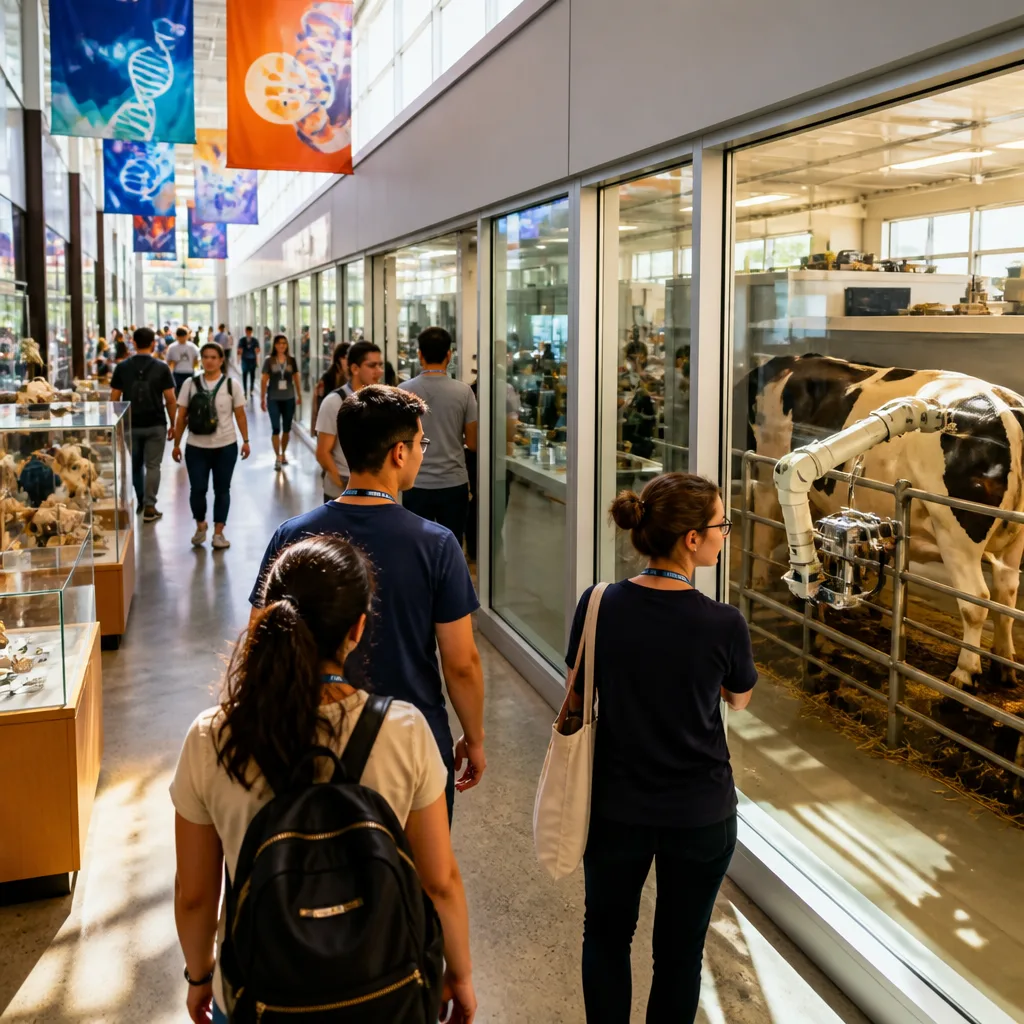
The University of Melbourne is inviting the public into its research spaces and museums as its annual Science at Melbourne Festival returns for a 12th year from Aug. 10–21. The free program, running alongside National Science Week, aims to showcase discovery-driven research and give teachers, students and curious adults behind-the-scenes access to laboratories, museum collections and an operational robotic dairy.
Festival offers live masterclasses and rare tours
Organizers said the festival has been designed to bridge the gap between laboratory research and public curiosity. Selected events will be livestreamed from two campuses, allowing participants beyond Melbourne to see inside experimental spaces and hear researchers explain their work in real time. Teachers are especially encouraged to tune in with classes to the one-hour, expert-led masterclasses.
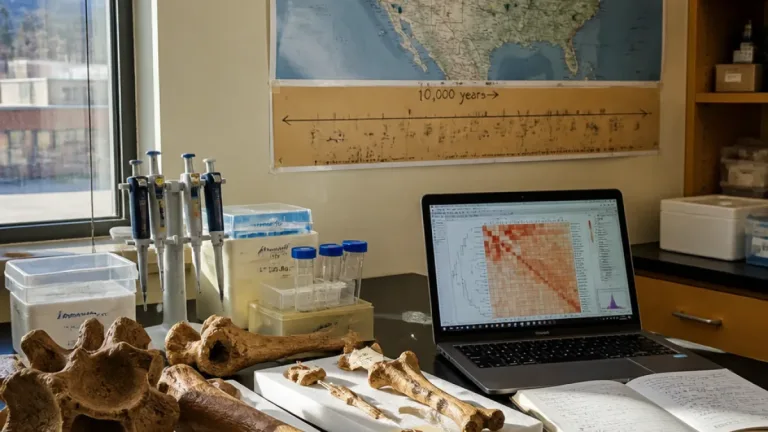
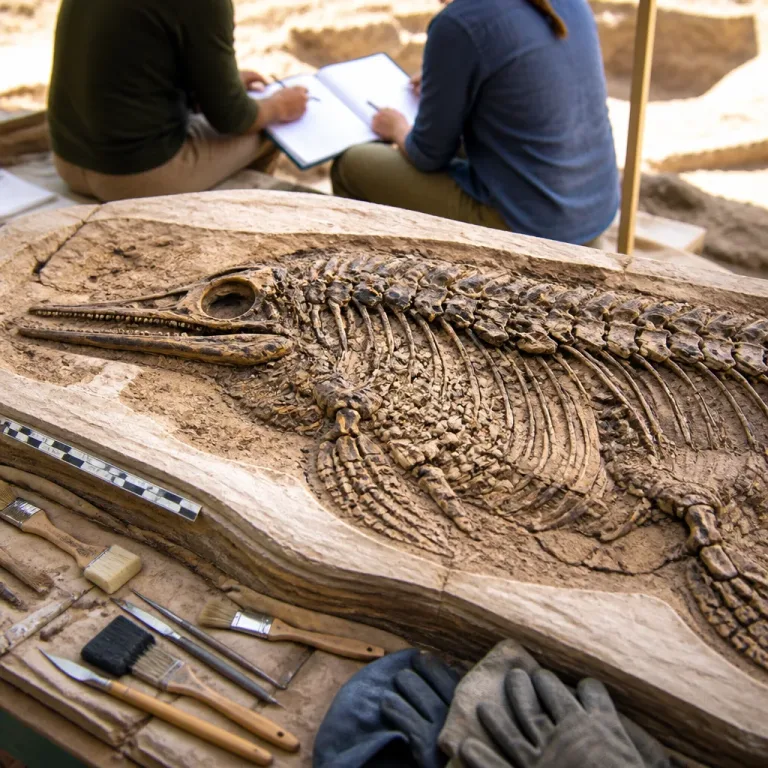
Among the on-site experiences are guided tours of university labs and museums that are “rarely open to the public,” offering a chance to observe specimens, instruments and ongoing experiments that normally sit behind institutional doors.
Featured programming highlights
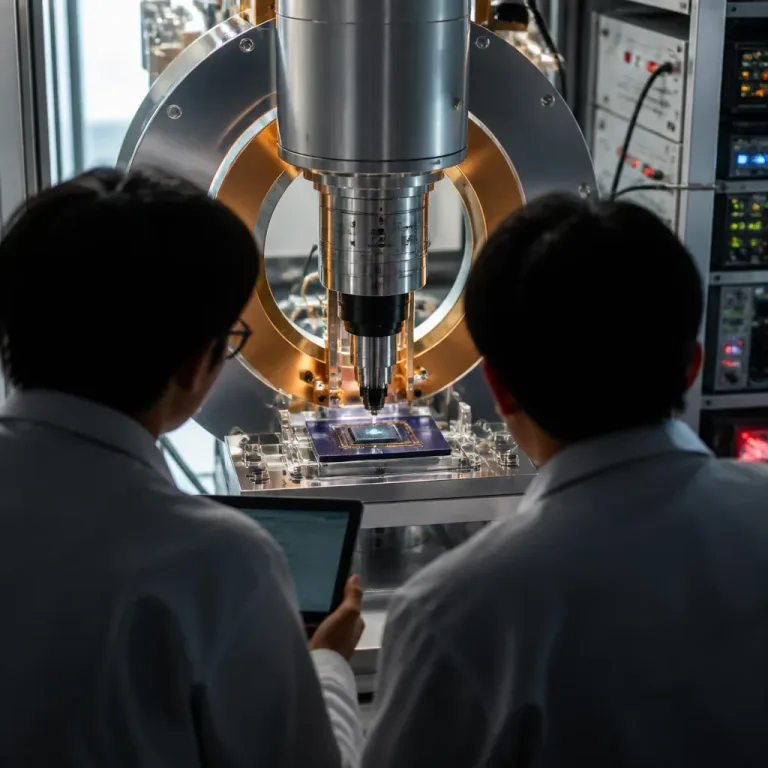
- Lights, chemistry, action! — Aug. 11, from 5:30 p.m.; exploring materials research aimed at safer, smarter and more sustainable applications.
- From curiosity to change: How discovery science transforms our world — Aug. 12, 6–7:30 p.m.; a panel on the value of fundamental research.
- Little bites, large problems: managing mosquitoes to control diseases — Aug. 13, 2–3 p.m.; an examination of vector management and community health implications.
The full festival program is available on the university’s website for those who wish to plan visits or register for online sessions.
“Science is about discovery, formulating new ideas and providing answers to life’s biggest mysteries, but most importantly, science belongs to everyone,”
said Dean of Science Professor Moira O’Bryan, who emphasized the festival’s role in sharing research and sparking curiosity.
Connecting discovery science to public understanding
The festival emphasizes basic, or discovery, science as well as applied research. One scheduled panel — focused on how fundamental research shapes society — reflects a broader conversation in academia about the importance of funding and communicating research that may not have immediate commercial outcomes but can produce long-term societal benefits.
In addition to talks and panels, the festival’s inclusion of a robotic dairy at the Dookie campus underscores the university’s agricultural research and its commitment to demonstrating technology in action. Showing robotic milking systems live aims to make agricultural innovation tangible for city-based audiences and school groups.
| Feature | Date/Time |
|---|---|
| Festival dates | Aug. 10–21 |
| Lights, chemistry, action! | Aug. 11, from 5:30 p.m. |
| Discovery science panel | Aug. 12, 6–7:30 p.m. |
| Mosquito management talk | Aug. 13, 2–3 p.m. |
For school teachers, the live masterclasses represent an accessible entry point to integrate contemporary research into classroom learning. The sessions are structured to be one hour long and are led by university researchers broadcasting from campus labs — including Parkville — to demonstrate experiments and discuss methods.
Opening museum stores and research facilities that are not usually public-facing also gives the community an unvarnished look at how scientific collections are maintained and used in research, from specimen-based work to the instruments that underpin advanced materials and biological studies.
As public science festivals grow in number and scale, the University of Melbourne’s event underlines a persistent goal of modern research institutions: to demystify the scientific process, spotlight foundational discovery work and show how curiosity-driven inquiry can translate into innovation and better public understanding of science.