Permanent zero-fare policy takes effect after successful pilot
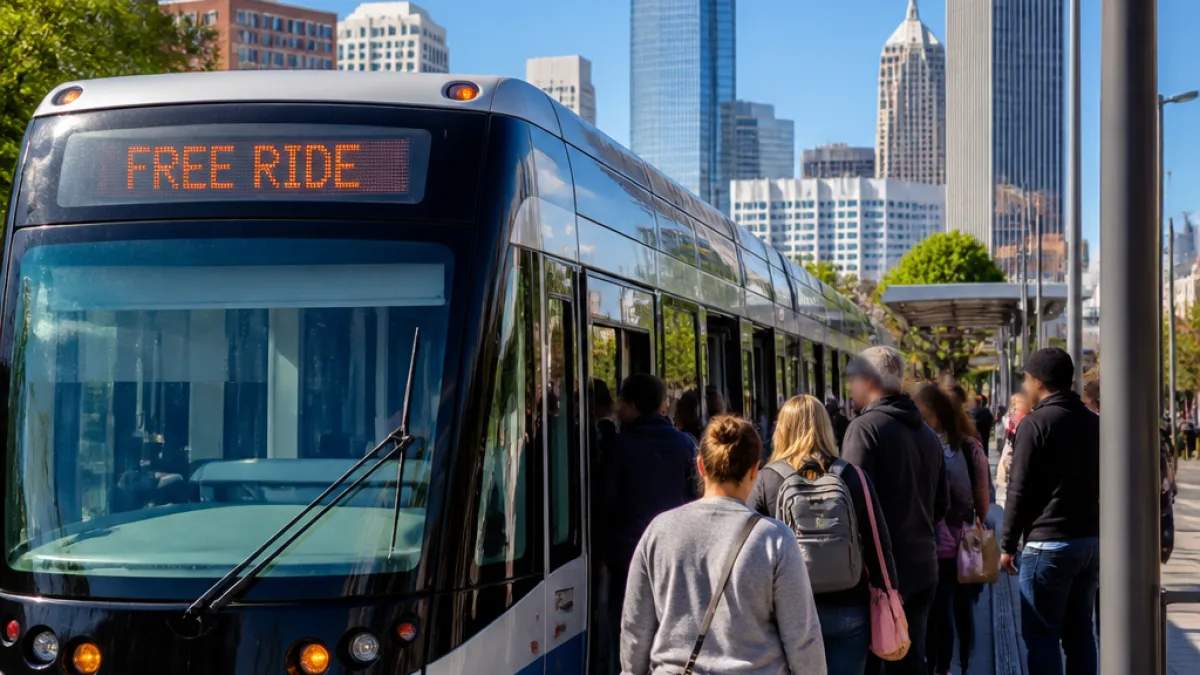
The Central Oklahoma Public Transportation Authority voted Friday to make rides on the downtown streetcar permanently free, moving the system away from a time-limited pilot and making the zero-fare policy effective immediately. The decision comes after a launch of the pilot earlier this year and data showing a notable increase in streetcar use.
EMBARK launched the free-fare pilot in January and by April had recorded a 37% increase in ridership compared with the same period the previous year. EMBARK officials said that increase translated to more than 30,000 additional riders during the spring months, a surge city leaders say helped justify making the program permanent.
| Metric | Result |
|---|---|
| Ridership increase (Jan–Apr vs. prior year) | 37% |
| Estimated additional riders | 30,000+ |
Supporters cite access, affordability and rider diversity
Board members and transit advocates argued the permanent free fare will lower barriers for people commuting downtown for work, errands and appointments, and will support continued ridership growth that began during the pilot.
- Supporters point to increased access for downtown businesses and events.
- EMBARK data suggested shifts in rider demographics, including benefits for unhoused residents.
- Officials said the move aligns with efforts to make transit more affordable and to encourage modal shift away from single-occupancy vehicles.
Questions remain about broader fare policy and civil rights compliance
Not all board members were wholly satisfied. COPTA board member and councilperson James Cooper said he backed the measure while expressing a desire to expand fare-free options beyond the streetcar to the broader bus network, which many residents rely on for errands, shopping and food access.
"I support this, it just does feel a little awkward doing it here when I know there are so many other places across our city that would benefit from an increased ridership and reduced fare as well," Cooper said at the meeting.
Concerns about equity and compliance with federal anti-discrimination law also surfaced. Councilwoman JoBeth Hamon had earlier raised questions about whether a free fare limited to the downtown streetcar could run afoul of Title VI of the 1964 Civil Rights Act. Title VI requires public transportation agencies that receive federal funds to avoid policies that have a discriminatory effect on protected classes. COPTA members said they had considered those concerns while reviewing pilot data.
COPTA board member Bernard Semtner called the decision a cautious step toward broader affordability measures. "I think it's a great direction, it's affordability that's probably the issue," he said. "And it has to be balanced out, so this is a baby step in that direction."
Next steps: monitoring, surveys and potential expansion
The vote had been delayed from July to August after EMBARK requested additional time to compile and analyze data from the pilot. Officials said they will continue to monitor ridership patterns and gather passenger survey data to better understand who is using the free service and how it affects travel behavior across the city.
EMBARK’s earlier survey findings suggested the bus system remains the backbone for many daily errands and essential trips. Board members acknowledged that while the streetcar’s zero-fare policy is now permanent downtown, questions about funding, service expansion and whether to replicate zero-fare policies across other routes will require further study and public discussion.
For a city whose growth and downtown revitalization have been shaped by public investments in transit and placemaking, the permanent free streetcar marks a visible policy choice that reconnects affordability, access and economic activity in the core. As officials track the longer-term impacts, residents and downtown stakeholders will watch for how the change affects ridership equity, service demand and the conversation about wider fare reform in Oklahoma City.