Large turnout tests municipal system; county handles separate operation indoors
The City of Tulsa and Tulsa County held a coordinated one-day warrant amnesty Friday that cleared hundreds of outstanding cases but exposed operational limits and public-safety concerns. Tulsa Municipal Court processed more than 700 cases, while Tulsa County reported clearing 163 warrants at an indoor site in the County Convention Center.
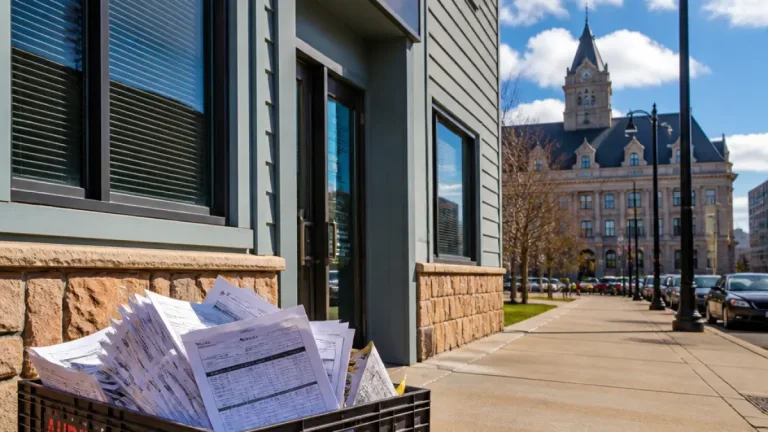
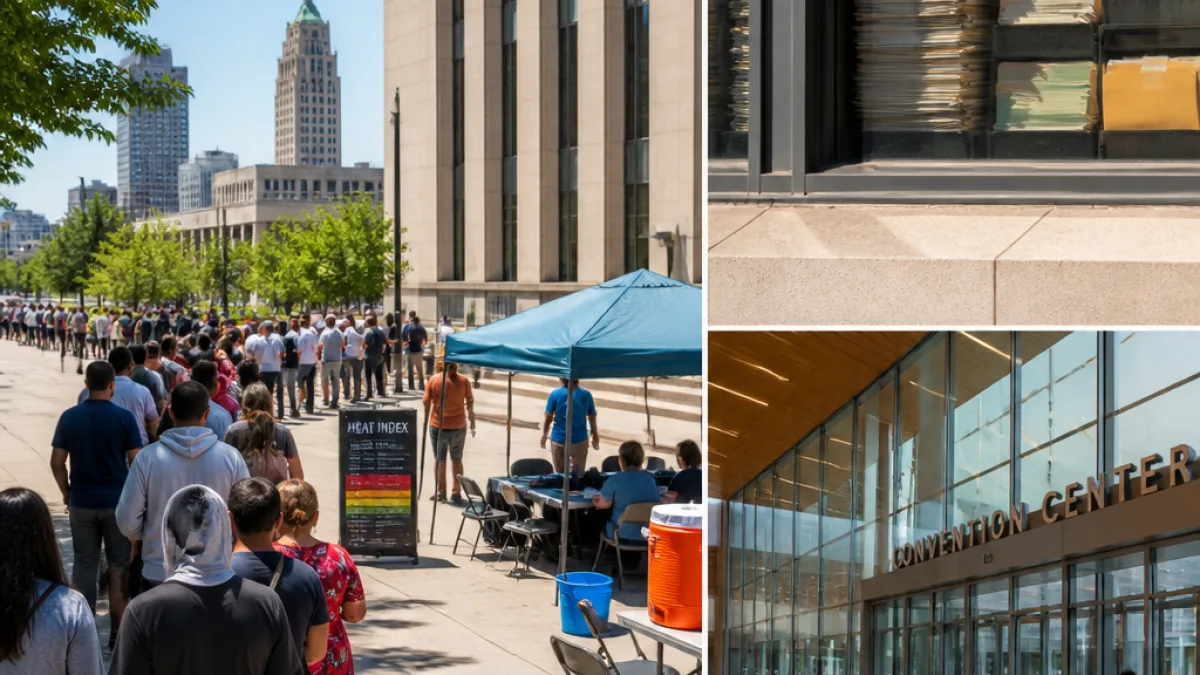
The two jurisdictions ran distinct operations. Tulsa County used online records and set up its amnesty effort inside the Convention Center; the city’s work remained anchored at the Police Courts building plaza because municipal files are maintained on paper, officials said. The difference shaped how the events unfolded and the experience for people seeking relief from outstanding warrants.
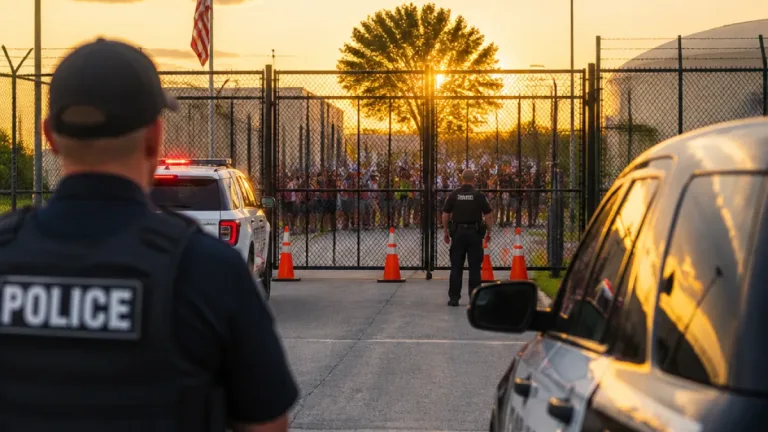
- Municipal Court: More than 700 cases processed; long outdoor lines; some people placed on a waiting list for another day.
- Tulsa County: 163 warrants cleared; indoor, Convention Center operation using digital records.
- Health and safety: Several people waiting for Municipal Court required medical attention after being overcome by heat on the plaza.
Heat, queueing and paper records
At midday, witnesses and reporters observed people collapsing or showing signs of heat distress while waiting outside the Police Courts building. Emergency response was required for multiple individuals. Organizers had to manage an inflow that exceeded capacity at the municipal site, and some attendees were placed on a waiting list for follow-up processing on another day.
"The dependence on paper-based court records meant their cases had to be handled at the usual location," Court Administrator Cheri Harvell said, adding that the City was working to move toward a paperless system.
The reliance on paper files constrained the city’s ability to set up at the Convention Center alongside the county and likely contributed to longer lines and slower throughput. Municipal staff said moving records into a digital, paperless system is a work in progress — a change that could alter how future amnesty or outreach operations are staged.
Scope and limits of the amnesty
Officials emphasized that the amnesty largely addressed traffic tickets and unpaid fines. The event did not provide relief for more serious charges; warrants tied to violent crimes or driving under the influence were excluded from the one-day program. Organizers encouraged people with complex criminal matters to consult attorneys or the appropriate court for next steps.
| Jurisdiction | Reported cases/warrants cleared | Location |
|---|---|---|
| Tulsa Municipal Court | More than 700 cases | Police Courts building plaza (outdoor) |
| Tulsa County | 163 warrants | Convention Center (indoor) |
Local implications
For many residents, the amnesty offered an opportunity to resolve long-standing tickets and fines without the immediate threat of arrest. For the city and county, it served as both a public-service event and a stress test for court infrastructure. The contrast between the county’s digital workflow and the city’s paper-backed records underscored a practical barrier that affects court accessibility, especially during large public events or when weather is a factor.
Organizers did not report long-term changes to scheduling for the municipal court, but the medical calls and the number of people left waiting highlight the need for better crowd management, heat-mitigation plans, and accelerated modernization of records. Those are issues that will matter again as municipal officials, legal advocates and community groups consider future efforts to reduce barriers to compliance and to reduce outstanding warrant loads that can entangle residents in escalating legal and financial problems.
The amnesty appeared to deliver tangible results in numbers cleared, but it also revealed gaps in capacity and access that Tulsa officials say they will work to address before the next broadly advertised court outreach event.