Federal court elevates challenge to Berkeley’s encampment rules
The U.S. District Court in the Northern District of California has certified a class action lawsuit against the City of Berkeley that contests how local officials clear street encampments and enforce the city’s 72-hour parking restrictions. Plaintiffs say the policies amount to an unlawful taking of property and a discriminatory practice that harms unhoused residents with disabilities.
The lawsuit, originally filed in federal court, argues that Berkeley’s approaches to encampment removal violate the U.S. Constitution and the Americans with Disabilities Act. The judge’s certification last week means the case will proceed on behalf of a broader group of people who allege they were subjected to the same practices.
What the complaint says
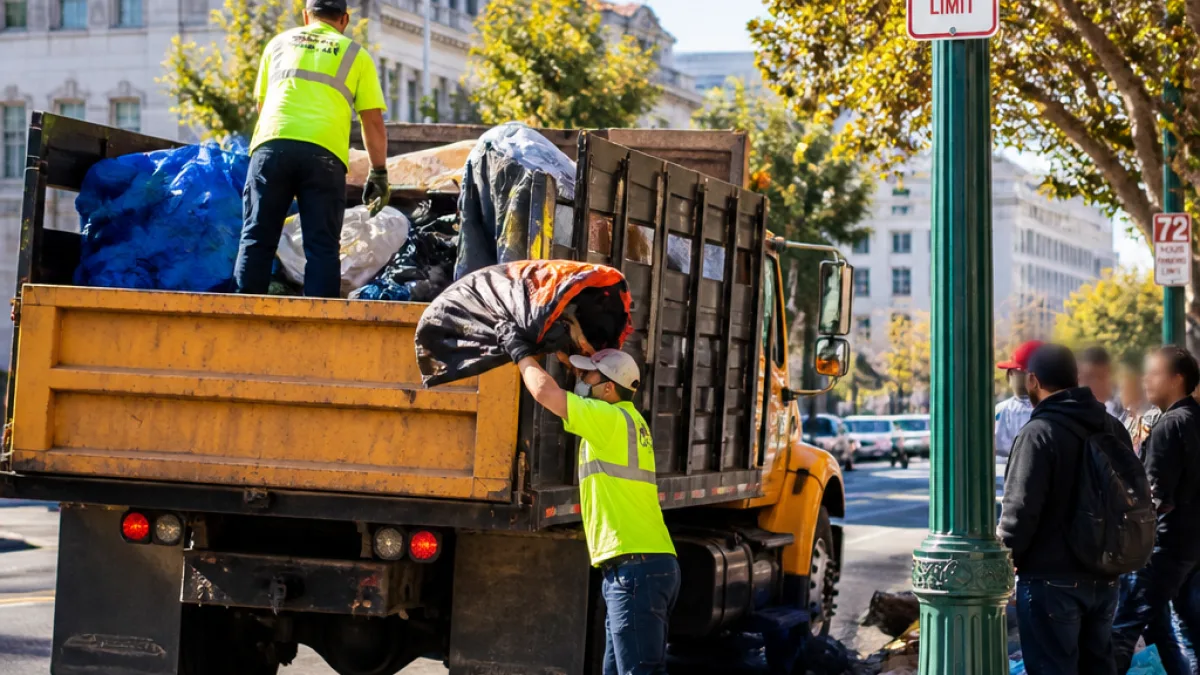
Plaintiffs contend the city has engaged in seizure and destruction of personal property when clearing encampments, and that the enforcement of a 72-hour limit on street parking discriminates against people who rely on vehicles or other private property for shelter. The complaint frames those vehicle and property restrictions as disproportionately impacting people with disabilities who cannot readily access or use conventional shelter options.
"Berkeley’s encampment removals violate the U.S. Constitution and the Americans with Disabilities Act,"
The city revised its encampment policy in 2024. The update authorizes removals in instances when an offer of shelter "is not practicable" under what the city described at the time as "relatively narrow" circumstances, including risks related to imminent health hazards, fire danger or situations viewed as public nuisances.
State and federal context shaping enforcement
The litigation comes as local governments across the country calibrate enforcement following a 2024 U.S. Supreme Court ruling that affirmed that municipal bans on encampments can be lawful. In California, Governor Gavin Newsom has urged localities to adopt encampment bans on public land while emphasizing an approach that stresses both compassion and dignity.
Berkeley’s policy documents and internal memos — including a 2024 city-manager memo — positioned the updated enforcement framework as consistent with a "housing-first" philosophy and the city's stated preference for a "care first, jails last" approach. The memo said staff viewed the policy as part of the city’s commitment to "creating safe, healthy, and compassionate communities." City officials have argued enforcement is targeted at situations posing immediate public-safety risks.
Legal and advocacy reaction
Advocacy groups and civil-rights attorneys who represent people experiencing homelessness have mounted similar challenges elsewhere, arguing some local enforcement crosses constitutional lines or fails to accommodate disabled residents. Federal courts have reached differing results in recent years, and the outcome often turns on local facts: whether housing offers were available and practicable, how property was handled during removals, and whether adequate notice and storage were provided.
In related litigation in April, U.S. District Judge Edward Chen issued rulings that largely favored Berkeley in another dispute over encampment policies, indicating the city's enforcement posture has already faced judicial scrutiny.
- 2024: Berkeley updates encampment policy; city manager memo emphasizes housing-first approach.
- 2024: U.S. Supreme Court affirms municipal authority to restrict encampments (broad national context).
- April (year unspecified): U.S. District Judge Edward Chen ruled largely in favor of Berkeley in related litigation.
- July 2026: District court certifies the class action challenging Berkeley’s removal practices and 72-hour parking rule.
| Issue | Claim by plaintiffs |
|---|---|
| Seizure/destruction | Unlawful taking of personal property during removals |
| 72-hour rule | Discriminatory impact on people with disabilities |
| City policy | Allows removal when shelter offer "is not practicable" |
Local consequences
The class certification raises the stakes for Berkeley’s enforcement teams and policymakers. If the plaintiffs prevail on classwide claims, the city could face significant legal exposure and may be required to alter how sweeps are conducted, change notice and property-storage procedures, or adjust how it balances public-safety objectives with federally protected disability rights.
For residents, the dispute underscores ongoing tensions in Berkeley over how to address visible homelessness in public spaces while honoring civil-rights protections. City officials have emphasized public health and safety when describing enforcement, while advocates have pressed for enforcement strategies that minimize loss of personal property and protect vulnerable individuals with mobility, cognitive or medical disabilities.
The case will now proceed with the interests of a certified class in mind. Expect further filings and hearings in the Northern District of California, where courts will decide whether the city’s written policies and on-the-ground practices meet constitutional and federal statutory standards.
Reporting will continue as the case develops and as city leaders and advocates respond to the court’s certification.