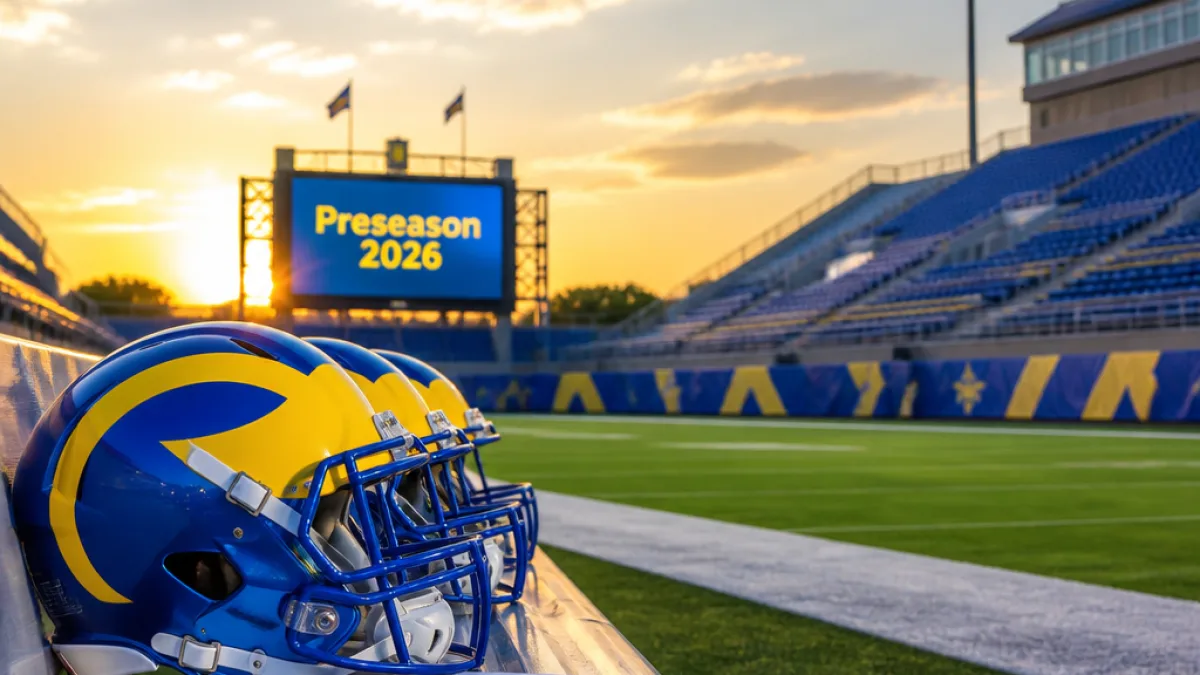
The University of Delaware football program opens its second season at the Football Bowl Subdivision level under a cloud of optimism and a harder schedule that will test whether last year’s breakthrough was a one-off or the start of sustained success.
From breakthrough to benchmark
Delaware ended its 2025 campaign 7-6, capped by a 20-16 bowl win over Louisiana that gave the program a definitive moment to build on heading into Conference USA’s second year of membership for the Blue Hens. That finish — and the team’s 4-4 mark in league play — has raised expectations around Newark and beyond.
“There was a lot of doubt,” coach Ryan Carty said about Delaware’s move to FBS. “Obviously, there were a lot of unknowns with making that move, and our players and our coaches put in such a tremendous amount of effort and work and through that came some success.”
Carty’s remarks capture the program’s narrative: skeptics questioned whether an FCS-rooted roster and infrastructure could compete at the higher level. The answer in 2025 was largely positive, but 2026 poses steeper tests.
What the schedule demands
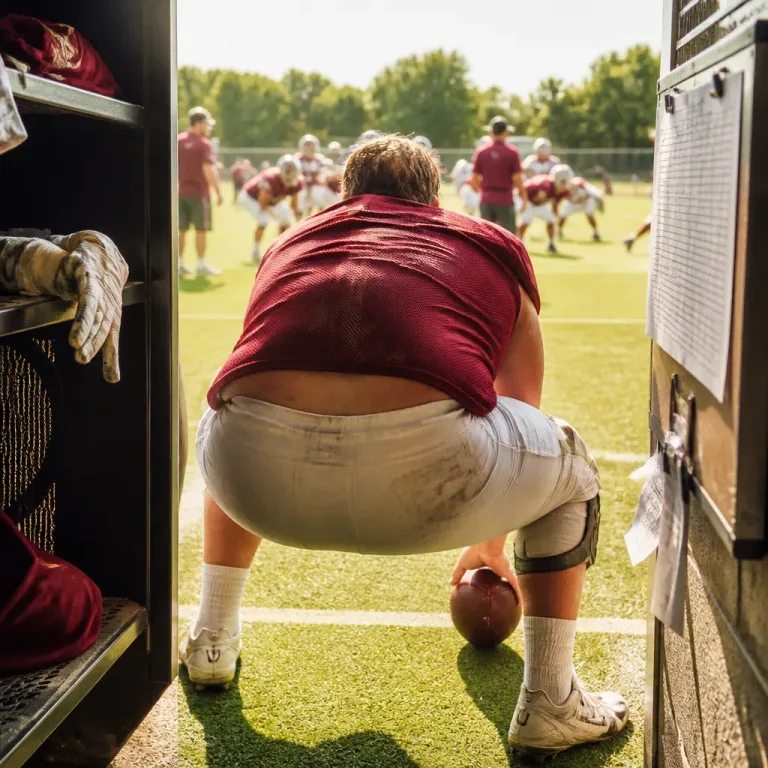
Delaware begins official practice the morning of Aug. 3 as it prepares for a Sept. 3 season opener at home against Merrimack, an FCS opponent. That game offers a controlled environment to fine-tune schemes, but tougher nonconference assignments loom immediately after: a road game at Vanderbilt, a home matchup with Coastal Carolina and a trip to Virginia.
Conference play ramps up with a nationally televised Friday night game against Liberty — a program that has been a Conference USA power and handed the Blue Hens a lopsided 59-30 loss in Lynchburg last season. That kind of matchup will be an early indicator of how Delaware stacks up against the league’s upper tier.
| Date | Event | Notes |
|---|---|---|
| Aug. 3 | First official practice | Start of 2026 preseason |
| Sept. 3 | Season opener vs. Merrimack | Home, FCS opponent |
| TBA (nonconference) | At Vanderbilt; vs. Coastal Carolina; at Virginia | Major tests outside CUSA |
| Early CUSA | Friday night vs. Liberty | Nationally televised |
Roster makeup and realistic aims
The Roster remains a hybrid: many players were recruited to compete at the FCS level but have shown they can produce against FBS opponents. Delaware currently has two FBS-level recruiting classes in place and has supplemented its roster with transfer additions.
Certain players who were central to last year’s success return, including quarterback Nick Minicucci, center Steven Demboski, linebacker Gavin Moule and safety K.T. Seay. Their continued development will be pivotal if the Hens are to contend for a Conference USA title.
- Experience: Core contributors from 2025 remain available and expected to lead.
- Recruiting: Two scholarship classes at the FBS level so far, with transfers addressing depth.
- Schedule difficulty: Early nonconference games and a high-profile Liberty matchup raise the bar.
Those factors shape the central question for 2026: can Delaware move from surprising the college football world to being a legitimate conference contender? The program’s leadership has publicly set the bar high — to win the league — which is consistent with Delaware’s historical standards and fan expectations.
Challenges that linger
Several structural hurdles remain. The program only recently began recruiting to FBS standards, so depth and roster balance could be uneven. Playing a tougher slate of opponents will expose any thin position groups, particularly late in games and over a longer season.
Televised conference games against established CUSA powers will also influence public perception and recruiting: a strong showing on those stages can accelerate momentum; poor performances could reintroduce skepticism.
Why Delaware matters beyond the state
Small-state programs moving successfully into FBS are rare, and Delaware’s trajectory offers a case study for similarly sized universities weighing the financial and competitive trade-offs of that leap. Success or failure here will be watched by athletic directors and state stakeholders who track the economic and reputational ripple effects of college football.
Practice opens Aug. 3, and the answers — about depth, coaching adjustments and whether last season was an outlier — will start to arrive when the Hens take the field Sept. 3. For a program that already exceeded expectations, the challenge now is to turn that momentum into a sustainable new standard.