The Rev. Andy Yarnell of Mosaic Church in Gadsden is pressing elected officials and faith communities to intervene in the case of an 18-year-old who remains in Immigration and Customs Enforcement custody despite what his supporters say is an existing legal protection meant for vulnerable children.
Pastor’s visit brings the case to light
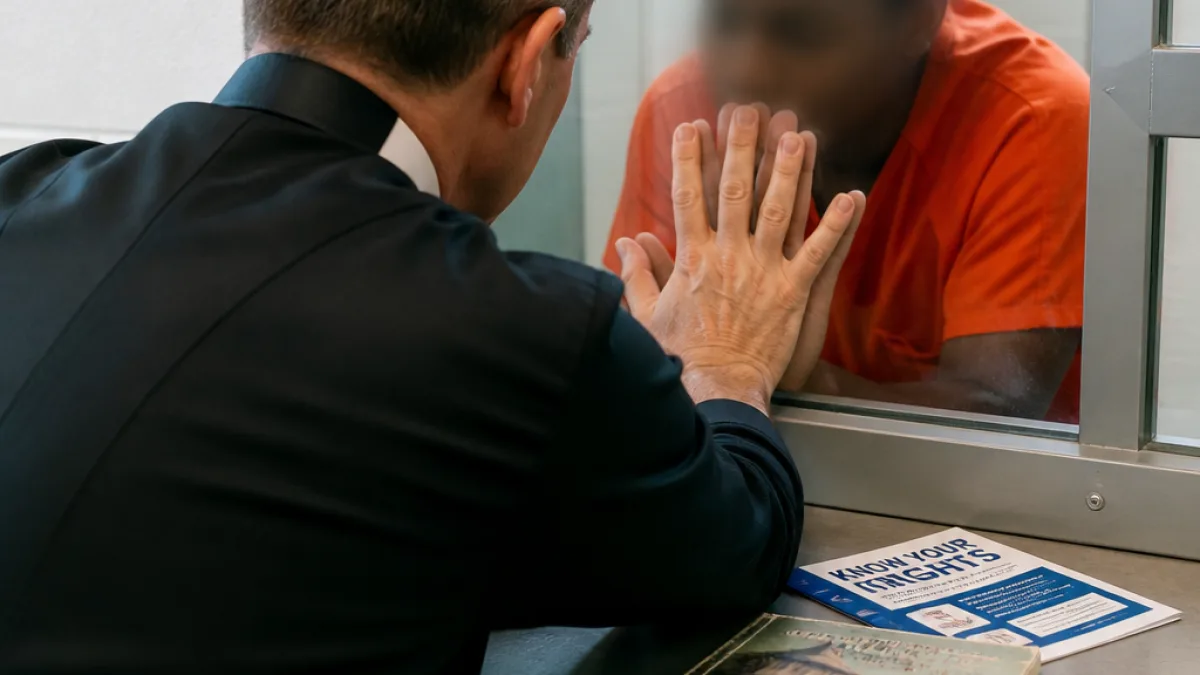
Yarnell visited the youth, identified as Elder Chavez-Carranza, last week at Winn Correctional Center in Louisiana and returned with a message for local leaders: help free him. The pastor said Chavez-Carranza has been away from family and friends for more than seven months.
"To see a kid locked up like that is just absolutely horrible," Yarnell said.
According to Yarnell and reporting from AL.com, Chavez-Carranza says he was stopped by a law enforcement officer for speeding in Albertville last December. Chavez-Carranza told reporters he showed ICE agents paperwork that he was granted special immigrant juvenile status the prior September but alleged the agents ignored the documentation.
What special immigrant juvenile status means
Special immigrant juvenile status is an immigration classification created by Congress to protect children found to have been "abused, neglected or abandoned" by a parent. The status can provide a pathway to permanent residency for qualifying minors. The reporting indicates Chavez-Carranza asserts he had been granted that status under the prior year.
During the pastor’s visits, an additional detainee acted as an interpreter so Chavez-Carranza could communicate. Yarnell described the teen as upbeat during the first visit — joking and talking about sports — but noticed apparent despair on the second visit.
"We talked a lot about how he wants to be back at school," Yarnell said. "It’s interesting to hear an 18-year-old that wants to be taking classes. He misses all his friends." The teen would be preparing for his senior year at Asbury High School and has missed the final six months of his junior year, the report says. Chavez-Carranza reportedly missed only two days of school that school year, for orthodontist appointments.
Local response and next steps
Yarnell is urging local officials and faith leaders to act and has joined others in efforts to secure Chavez-Carranza’s release. The case has drawn attention in part because it touches on questions about how paperwork and protections are handled during interactions with law enforcement and ICE agents.
The reporting does not include statements from ICE, law enforcement in Albertville, or attorneys representing Chavez-Carranza. It does not specify the outcome of any immigration court proceedings or appeals related to his claimed special immigrant juvenile status.
Timeline (reported events)
| When | Event |
|---|---|
| September (previous year) | Chavez-Carranza says he was granted special immigrant juvenile status |
| December | Traffic stop in Albertville; Chavez-Carranza says he showed ICE paperwork |
| Last 7+ months | Chavez-Carranza has been detained by ICE at Winn Correctional Center, per reporting |
| Recent week | Rev. Andy Yarnell visited Chavez-Carranza and publicized the case |
Community concerns and practical implications
Faith leaders and community advocates often serve as intermediaries in cases where immigration law, juvenile protections and local policing intersect. Yarnell’s involvement underscores the role congregations can play in advocating for detained community members and in mobilizing public attention.
For residents wondering about next steps, the case illustrates several areas where action is typically pursued:
- Contacting local elected officials or the county’s congressional representative to request review or intervention.
- Seeking legal representation from immigration attorneys or nonprofit legal clinics that specialize in juvenile immigration matters.
- Engaging faith and civic groups to raise awareness and support family members.
The reporting makes clear that Chavez-Carranza’s detention has disrupted his education and family life. As the community waits for updates from legal representatives or government agencies, faith leaders like Yarnell are pressing for a resolution that would return the teen to school and family.
Questions remain about how the special immigrant juvenile paperwork was handled by authorities and whether administrative or legal remedies are pending. Those with information or a desire to assist have been encouraged by local advocates to reach out to the organizers involved in the outreach effort.