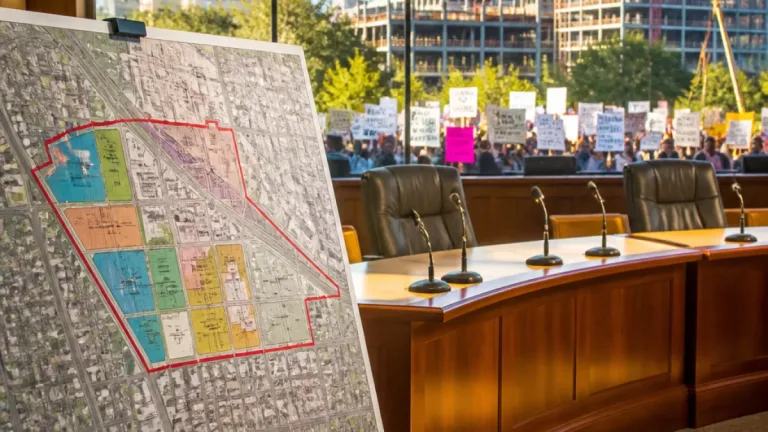
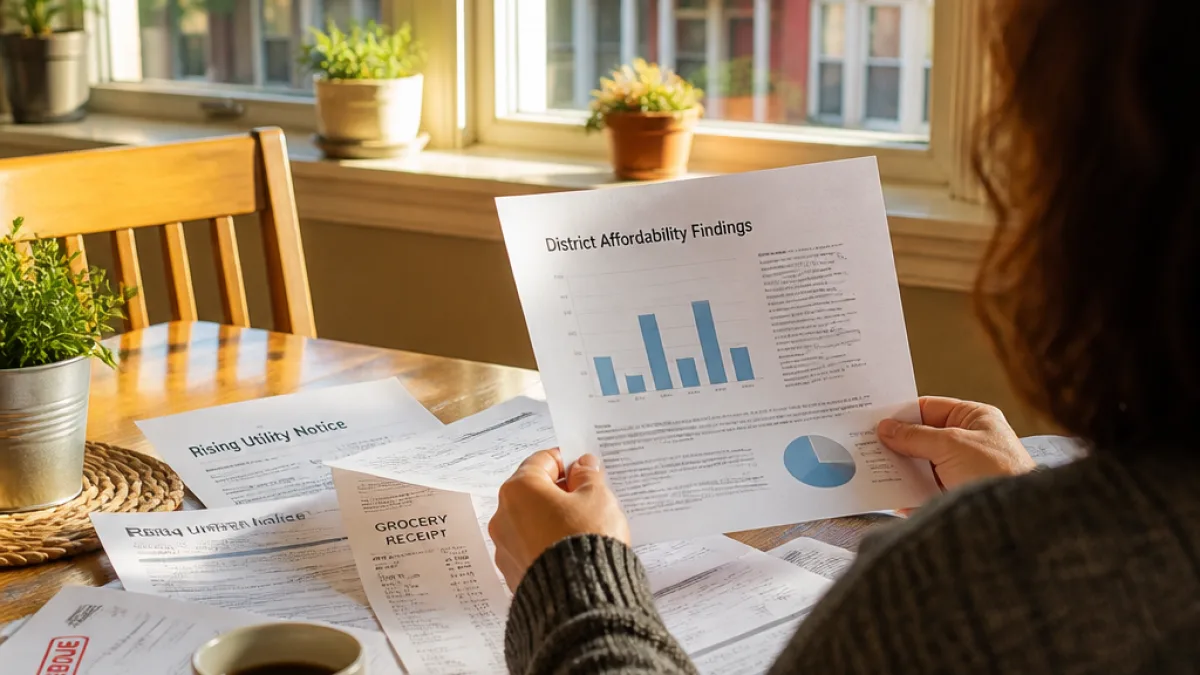
Washington’s policy choices, Rep. Terri Sewell says, are arriving at kitchen tables across central Alabama in the form of higher bills and harder choices. In a report released Sunday, the Birmingham Democrat laid out what she described as a mounting affordability crisis for families in Alabama’s 7th Congressional District, quantified in dollars-and-cents changes in everyday costs.
Numbers that add up to pressure
The report, assembled by Sewell’s office, finds an average family in her district is paying about $2,700 more for basic living expenses compared with a previous baseline. It cites specific increases that residents will recognize: monthly grocery spending averaging $1,110, an average electricity uptick of $233 in 2025 and higher gasoline costs tied to international developments.
“One hundred days before Election Day, Alabama families deserve to know the truth about who is driving up their costs,” Sewell said.
Sewell’s statement frames the report as a direct critique of the economic policies of President Trump and Republican congressional actions. The congresswoman links rising household expenses to White House and congressional decisions that she says have prioritized tax changes and budget shifts over relief for working families.
How those costs break down
The report catalogues a range of figures that Sewell’s office says illustrate the breadth of the problem. Alongside grocery, electricity and gasoline increases, the report highlights:
- Annual child care costs for two children averaging $16,640 in Alabama;
- An estimated 70,000 people in the district facing higher health insurance costs after enhanced Affordable Care Act tax credits expired;
- A projection that 24,353 people in the 7th District will lose health coverage due to cuts tied to Medicaid and ACA changes;
- More than 81,800 Alabamians losing SNAP benefits under Republican budget laws.
Bankruptcy filings also rose, the report says, with more than 20,000 Alabamians filing in 2025 — a 6.7% increase from the prior year.
| Expense or impact | Reported figure |
|---|---|
| Average increase in basic living expenses | $2,700 |
| Monthly groceries | $1,110 |
| Electricity increase (2025) | $233 |
| Gasoline increase tied to Iran conflict | $686 annual per household |
| Annual childcare (two children) | $16,640 |
Policy, politics and people
Sewell tied the numbers to broader policy choices in Washington, saying Republicans in Congress have made budget decisions leading to cuts in Medicaid and food assistance while simultaneously approving tax measures that benefit the wealthy. The report arrives with House Democrats’ own policy push, dubbed the “Fighting For An Affordable America Agenda,” designed to emphasize lowering costs for groceries, gas and housing and to spotlight healthcare affordability and corporate accountability.
The timing is unmistakable. With roughly 100 days before Election Day, Sewell’s message is both a diagnostic and a campaign argument: she says voters should associate the pain of rising costs with national officials and policies. The report’s data are positioned to support that message as Democrats press an affordability platform heading into the fall.
Local consequences and questions ahead
For families, the figures translate into real trade-offs — whether to skip a medical appointment, cut back on groceries, shoulder higher childcare bills or manage a spike in utility expenses. For community leaders, rising bankruptcy filings and food assistance losses raise questions about local service capacity and the need for emergency measures.
Sewell’s report does not propose a single legislative fix in the text released Sunday; instead, it reinforces Democratic policy proposals and casts Republican budget choices as the proximate cause of the trend. Analysts and opponents are likely to press back with different data and explanations as the political debate intensifies.
As the fall campaign season approaches, the contest over who is responsible for household budgets in Alabama is likely to be a central storyline — and one with measurable consequences for many residents of the 7th District.
It doesn’t end with statistics. For thousands of families in central Alabama, this is about what fits into a weekly shopping cart and whether health coverage remains dependable. The figures Sewell’s office compiled give shape to those personal calculations at a moment when they may determine votes at the ballot box.