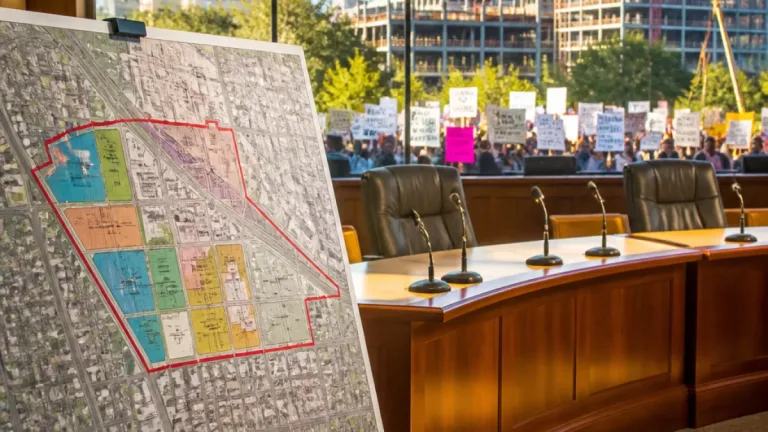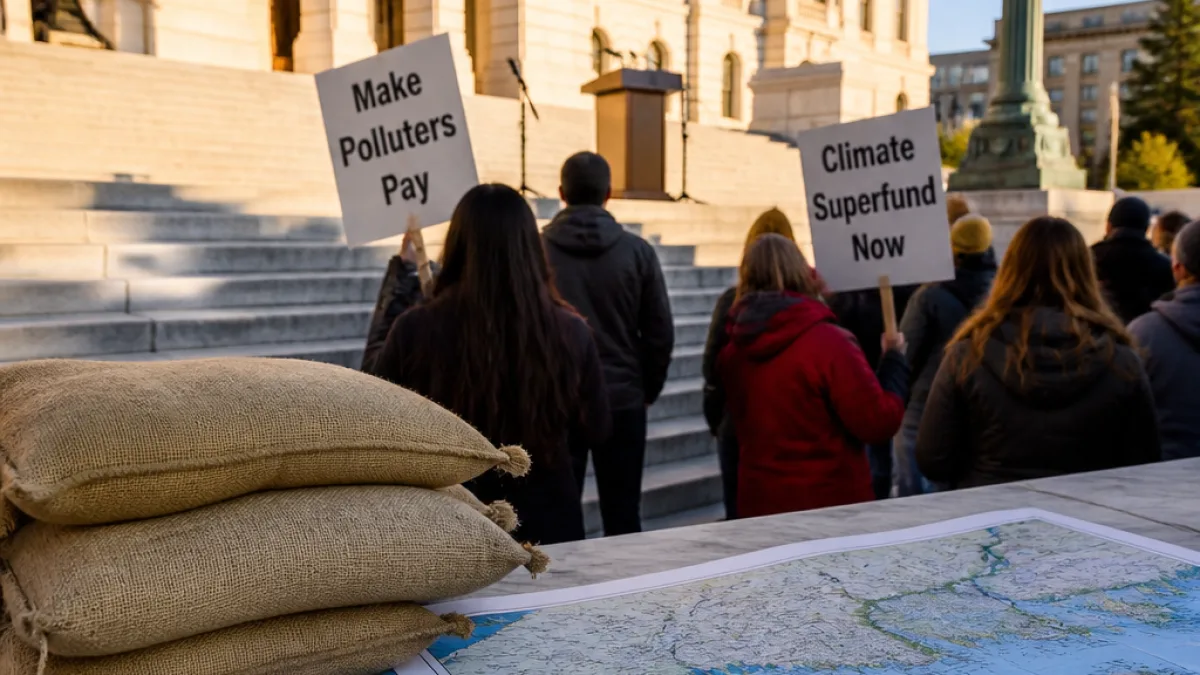
PROVIDENCE — Lawmakers in Rhode Island debated a novel approach this year to fund recovery from climate damage: force the biggest fossil-fuel companies to help pay for it. The measure — modeled after the federal Superfund that cleans toxic sites — did not clear the General Assembly in 2026, but its backers say the question of who pays for storms, rising seas and heat emergencies won’t disappear.
What the bill proposed
Known as the Rhode Island Climate Superfund Act of 2026, the bill would have assessed fees on the largest greenhouse-gas emitters to finance state and local projects that respond to climate impacts. Sponsors framed it as a simple principle: those who contributed most to the problem should shoulder a fair share of the costs to fix it.
Representative Jennifer Boylan, the bill’s lead sponsor in the House, described the concept in straightforward terms.
"The concept is to make the polluters pay for the damages that they caused."
The measure targeted companies responsible for extremely large volumes of emissions — firms that produced more than one billion tons of greenhouse gases over recent decades. Examples cited by supporters included major global oil and gas corporations.
| Threshold | Targeted companies (examples) |
|---|---|
| More than 1 billion tons of emissions | Chevron, Exxon Mobil, BP, Shell |
How the funds would be used
The money raised by the levy was intended to support a broad set of responses to climate change: repairing damage after increasingly severe storms, bolstering defenses against sea-level rise, dealing with extreme heat events, and funding local resilience planning. Backers said the approach would create a steady revenue stream for state and municipal projects that are presently paid for through general budgets and disaster aid.
Why it stalled
Rhode Island’s legislature debated the bill but did not approve it this year. Supporters had introduced the proposal for a second straight session; Senator Linda Ujifusa worked with Boylan to press the case in both chambers. The bill’s defeat reflects the legal, political and logistical hurdles inherent in trying to pin state-level liability on multinational energy companies.
Opponents raised concerns about the bill’s scope, its potential economic ripple effects, and the likelihood of protracted litigation. For now, the state continues to rely on existing funding streams — federal disaster aid, municipal budgets and state appropriations — to address climate-related damage.
What comes next
Sponsors indicated they will continue refining the idea. They and allied advocates plan to use the pause as an opportunity to answer legal questions, craft clearer mechanisms for calculating each company’s share and build broader coalitions among cities, towns and other stakeholders.
- Advocates want a return to the Legislature with strengthened legal analysis.
- Supporters hope to define specific projects and distribution rules to reassure local governments.
- Opponents are likely to press for exemptions or alternative funding schemes to avoid potential business impacts.
Legal and practical hurdles
Borrowing the name and structure of the 1980 federal Superfund, the Rhode Island proposal treats climate damage like an environmental liability with identifiable responsible parties. That framing is new in the climate policy arena and raises familiar questions: can a state compel transnational corporations to pay damages here for emissions produced worldwide? How would proportional responsibility be calculated across decades of output?
Those questions are not academic in Rhode Island. Coastal municipalities already confront chronic flooding and infrastructure needs. Without a dedicated revenue stream, those costs fall to local taxpayers and the state general fund — a dynamic proponents argue the superfund would change.
Why it matters locally
Rhode Island’s coastline and low-lying communities make climate impacts immediate and visible. Whether or not the bill advances next session, the debate spotlights the larger political choice facing the state: continue patching resilience funding together, or create a targeted mechanism that pins a portion of the bill on producers of fossil fuels.
The conversation also has implications beyond Rhode Island. Similar ideas have circulated in other states, and any legislative or legal precedent here could influence campaigns elsewhere seeking to make polluters pay for climate costs.
Expect the idea to return. For now, Rhode Islanders will keep paying the costs of storms and rising seas through the same familiar channels — even as the question of who should pick up the tab grows louder.