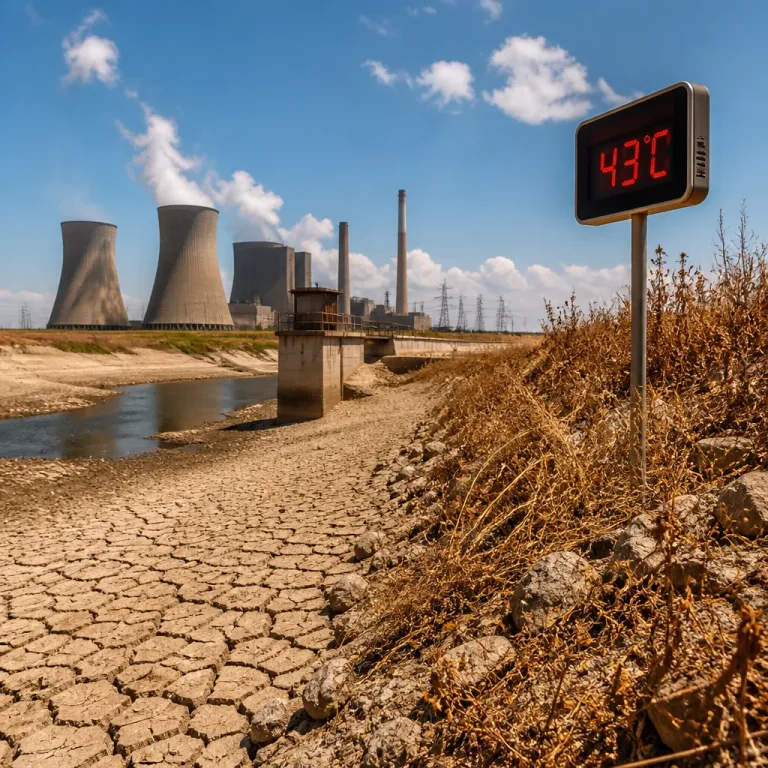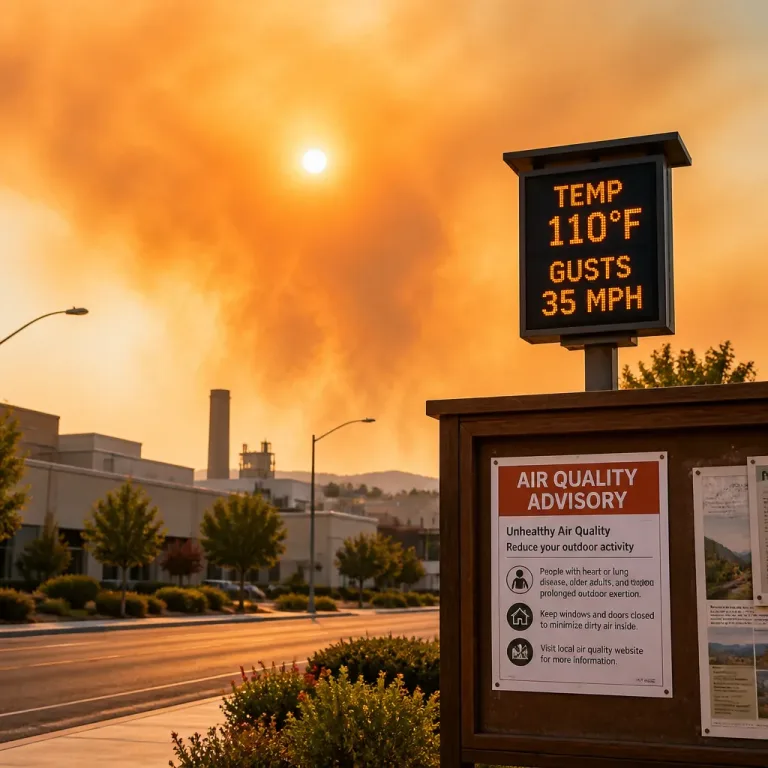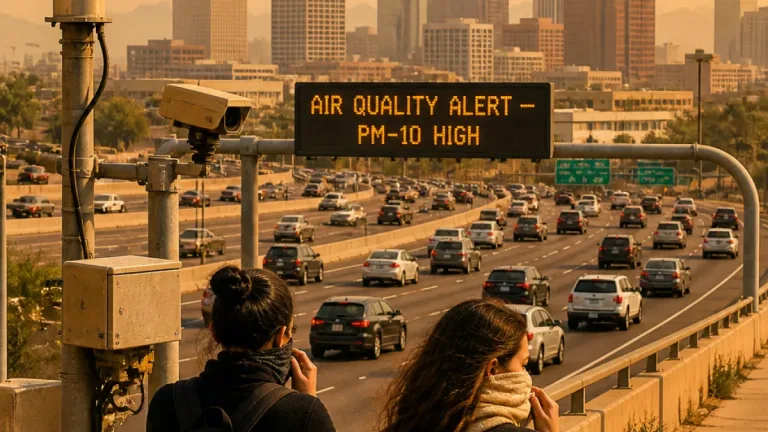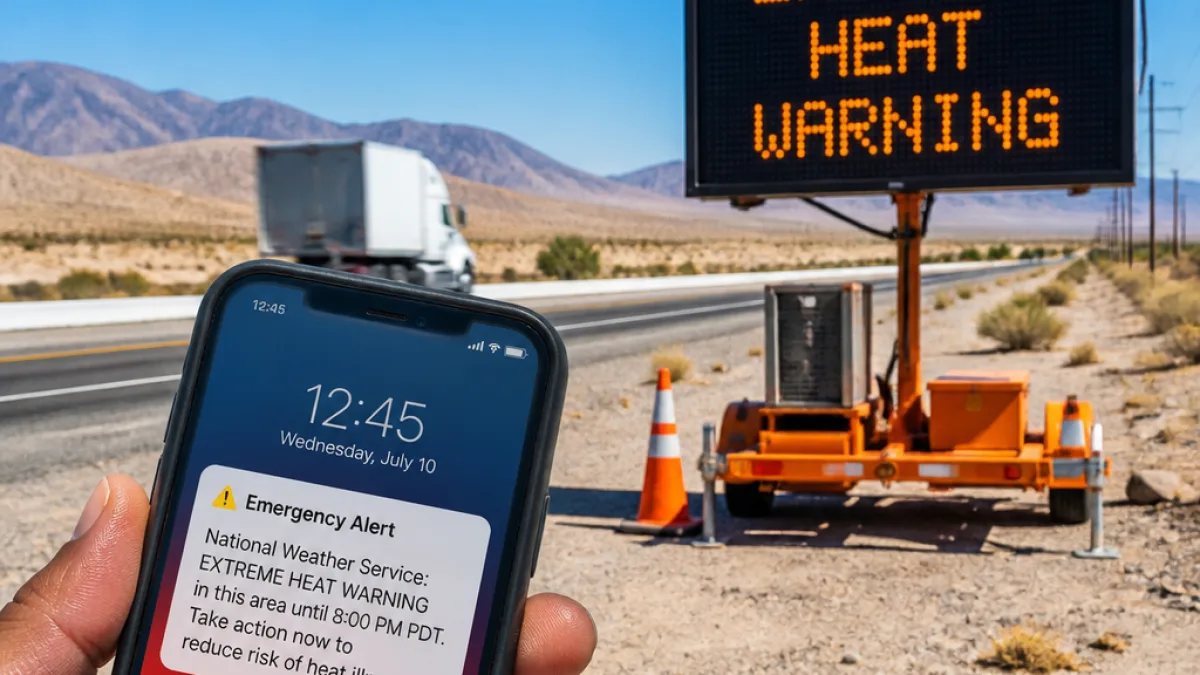
The National Weather Service issued an extreme heat warning for San Bernardino County at 5:22 p.m. Saturday, in force through 8 p.m. Sunday, Aug. 2. The agency warned of dangerously high daytime temperatures, warm nights that provide little relief, and an elevated risk of heat-related illness across the county and adjacent desert regions.
Where temperatures will be most severe
The NWS forecast calls for the hottest conditions in the Mojave Desert, where daytime highs are expected to reach between 110 and 120 degrees. Most of the southern Great Basin and the Arizona Strip could see highs from 100 to 110 degrees. Nighttime lows are anticipated to remain unusually warm, particularly in desert zones, with some areas not dropping below 80 degrees.
- Major-to-extreme heat risk has been declared for wide portions of the desert region.
- Dangerous daytime heat and little overnight relief increase the risk for heat-related illnesses.
- Emergency alerts may be pushed to mobile phones for the most severe hazards; residents should also enroll in county alert systems.
Communities named in the advisory
The warning lists numerous desert and basin areas that include parts of San Bernardino County and nearby jurisdictions. Among the locations named are:
| Selected areas | Notes |
|---|---|
| Eastern and Western Mojave Desert | Includes Mojave National Preserve |
| Morongo Basin | Portions lie within San Bernardino County |
| Cadiz Basin and Upper Colorado River Valley | Desert basins with high daytime heat |
Other areas cited by the NWS include Death Valley National Park, Lake Havasu and Fort Mohave, Lake Mead and Lake Mohave (both NV and AZ sides), the Hualapai Mountains and multiple valleys across Nevada and California. The advisory spans neighboring counties and stretches into parts of Arizona and Nevada.
Health risks and practical precautions
The NWS emphasized that "heat related illnesses increase significantly during extreme heat events." Local and regional public health authorities advise residents to minimize heat exposure and watch for signs of heat exhaustion and heat stroke.
"Dangerously hot conditions with highs 110 to 120 degrees across the Mojave Desert," the NWS bulletin said, adding that little overnight relief is expected.
Health guidance compiled by regional agencies and university safety offices highlights straightforward steps to reduce risk:
- Hydrate frequently. Hot-weather fluid loss can be substantial; one advisory notes that a person can lose several gallons of sweat a day and should replace fluids regularly.
- Take frequent breaks in shaded or air-conditioned areas if working or spending extended time outdoors.
- Limit alcohol and caffeine during extreme heat spells, as these can worsen dehydration.
Alerts and monitoring
For "considerable or catastrophic" hazards, emergency alerts will be broadcast to all capable mobile devices in affected areas. For less severe advisories and community updates, San Bernardino County residents are encouraged to enroll in local alert systems and follow county and emergency management social channels.
Residents who must travel or work outdoors should plan for the heat: reschedule strenuous activity for cooler hours when possible, ensure access to water and shade, and check on elderly neighbors or those with health conditions. Cooling centers and additional resources may be available through county services; consult official San Bernardino County channels for the latest openings and guidance.
This extreme heat warning underscores a recurring challenge for the region: desert daytime highs paired with warm nights can overwhelm people, infrastructure and vulnerable populations. Remain alert to official updates and take precautions until the warning expires Sunday evening.