City maintains readiness as monsoon season winds down
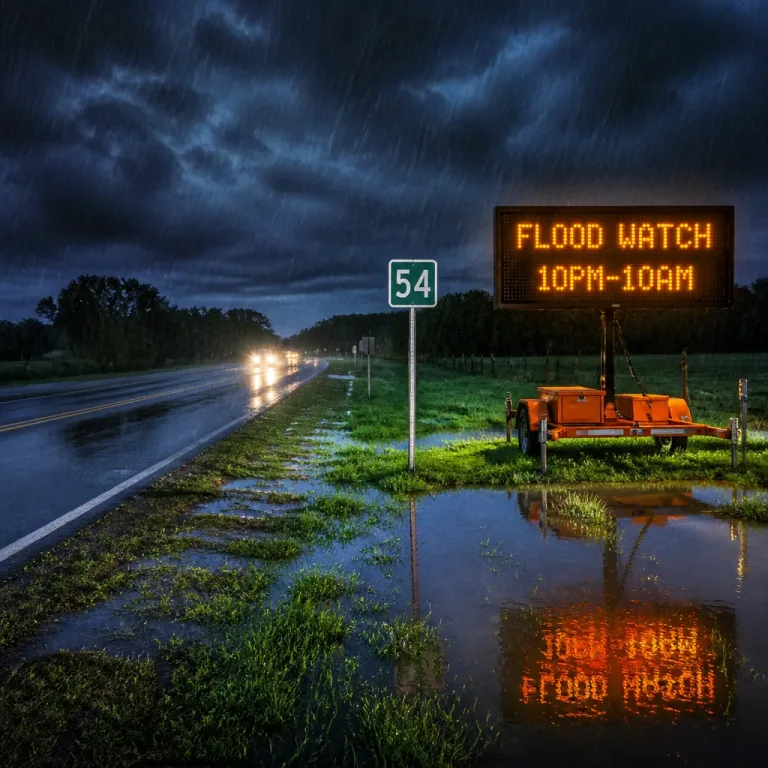
The City of Albuquerque is keeping teams at the ready for the final two months of monsoon season, the Department of Municipal Development said, a reminder that sudden storms remain a regular test of the city’s infrastructure and the people who keep it moving.
Department Director Jennifer Turner said crews are trained to mobilize quickly when weather changes. "They’ll be on standby this week and beyond as monsoon conditions continue," Turner said, underscoring the city’s approach to unpredictable, often intense summer storms that can dump heavy rain in short periods.
Operations and maintenance superintendent Fred Montoya described the department’s routine: officials monitor forecasts and, based on anticipated severity, place additional personnel on standby. The response includes immediate field work during storms and follow-up cleanup once the rain stops.
"During the storm, we are out there pumping out flooded areas and responding to debris," Montoya said.
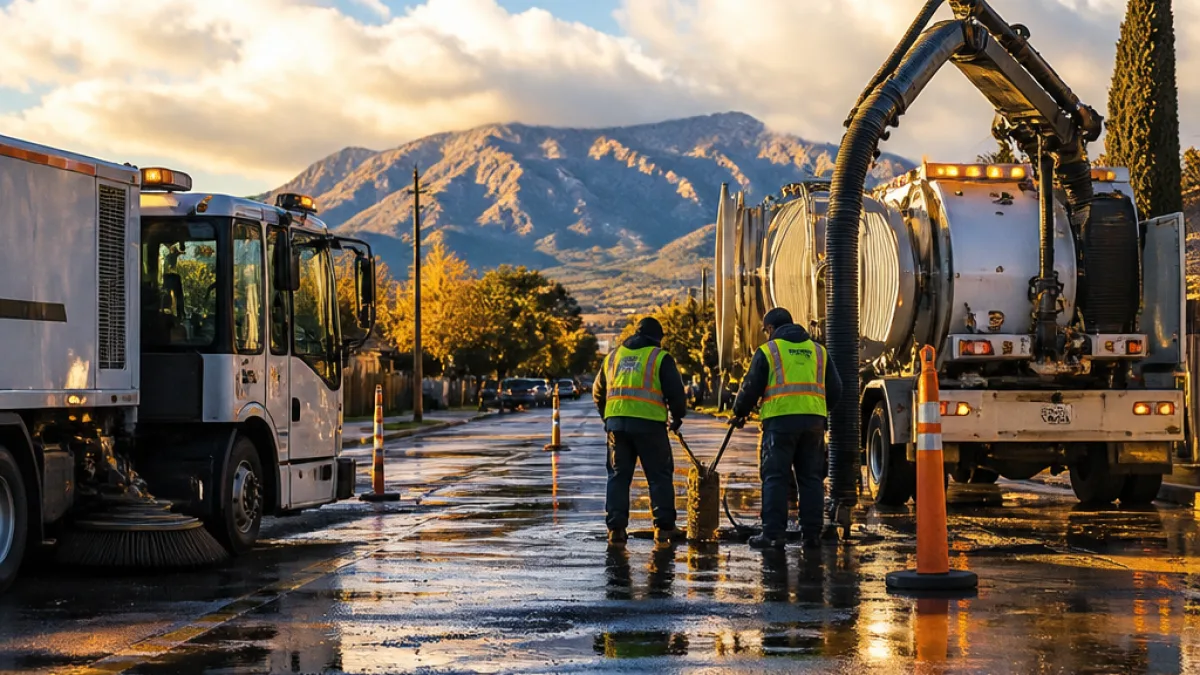
After a recent storm that left more than an inch of rain in parts of Albuquerque, the department deployed street sweepers and Vactor trucks — vacuum sewer cleaners — to help clear storm drains and limit flooding. Montoya said the city’s street maintenance crews and first responders are committed to keeping roads passable.
What residents should know
- Call 311 to report flooded streets or road debris.
- Expect crews on standby and active during and after storms, including use of Vactor trucks and sweepers.
- The department adjusts staffing based on weather forecasts and anticipated storm severity.
Montoya emphasized that while the monsoon brings distinctive hazards — sudden flooding, debris on roadways, and localized drainage problems — the city’s work on road safety is a year-round effort. "It’s a year-round effort," he said, pointing to the continuity of maintenance and emergency response even outside the flashier summer months.
The city’s recent mobilization illustrates a pattern Albuquerque residents know from memory: monsoon rains can concentrate in particular neighborhoods, producing abrupt challenges that demand rapid response. In a place long measured by its ability to cope with both drought and sudden downpours, the mechanics of response are practical and visible: crews at the ready, pumps operating where water accumulates, and cleanup equipment clearing the pathways that keep the city moving.
Who responds and how
Montoya singled out street maintenance teams and first responders for praise, noting their willingness to answer calls and work at a moment’s notice. The department’s layered approach — monitoring, pre-positioning staff, active pumping during storms, and post-storm cleanup — aims to limit both immediate hazards and the longer-term damage that standing water and clogged drains can cause.
| Action | Tool/Resource |
|---|---|
| Clearing storm drains | Vactor trucks, street sweepers |
| Pumping flooded areas | Mobile pumps and crews |
| Reporting problems | 311 |
The account of the department’s recent actions came through local reporting fellowship coverage; Isabella Campbell is listed as an intern with the New Mexico Local News Fellowships and Internships Program. Her reporting relayed the city’s assessment without expanding beyond the officials’ statements about readiness and recent deployments.
For Albuquerque residents, the message is practical and familiar: the city’s municipal crews remain vigilant as the monsoon season approaches its close, and residents should report flooding or road hazards through established channels so crews can respond promptly. The work of clearing drains and pumping water may not make headlines, but it is the backbone of how this desert city manages one of its most volatile seasons.
Contact: Report flooding or road debris to 311.