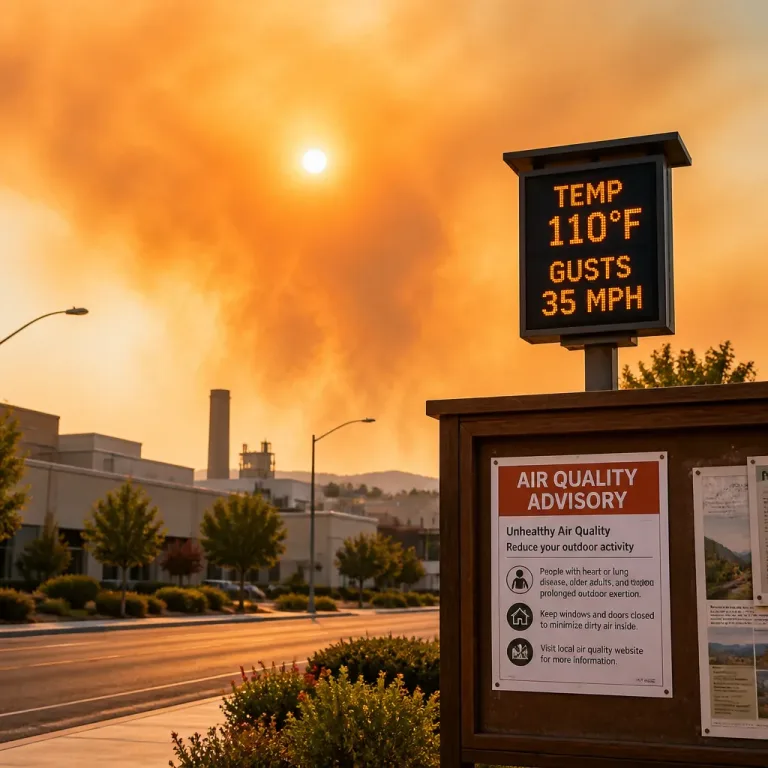
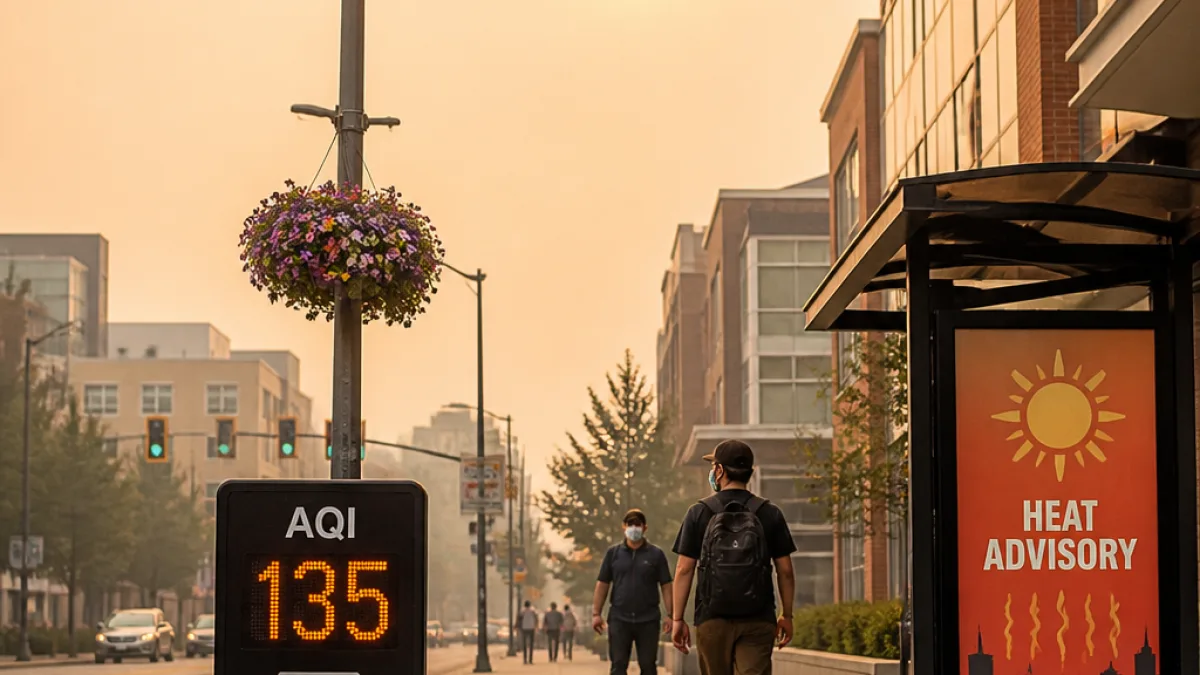
A late-week wind shift sent wildfire smoke into the Eugene-Springfield area Tuesday, pushing local air quality into ranges that threaten people with heart and lung conditions and, in some spots, the general public. Regulators and consumer sensors registered readings that moved the valley from "moderate" to unhealthy levels while a heat advisory raises the stakes for vulnerable residents.
What the monitors show
As of noon Tuesday, Lane Regional Air Protection Agency monitors recorded an AQI of 135 in north Eugene and 127 in Springfield — levels classified as Unhealthy for Sensitive Groups. At the same time, PurpleAir sensors, the low-cost consumer devices that supplement the regulatory network, showed pockets in parts of Eugene, including downtown, at "Unhealthy" levels for the general population.
- LRAPA AQI north Eugene: 135
- LRAPA AQI Springfield: 127
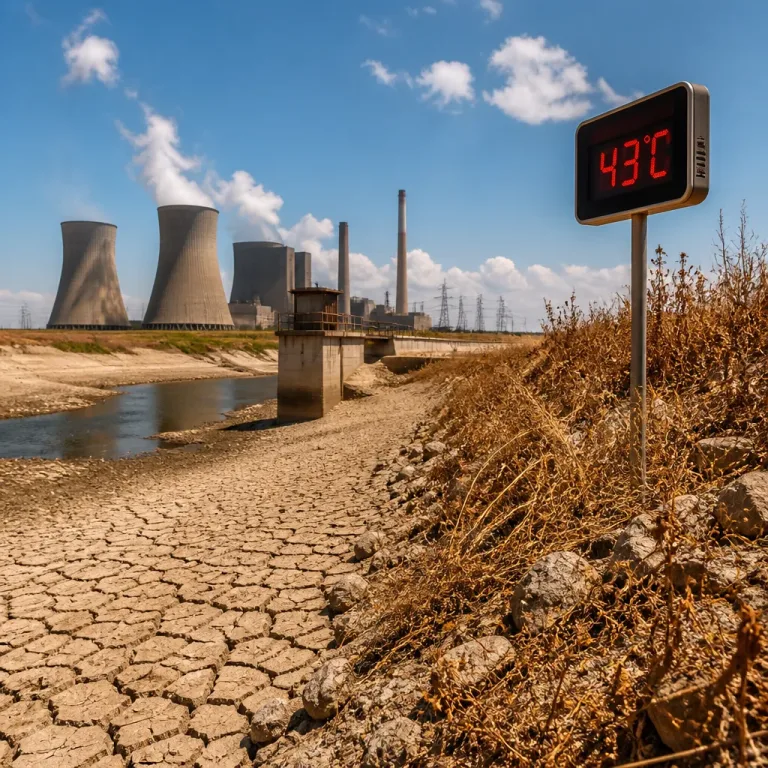
- Temperatures forecast: 96°F Tuesday, 98°F Wednesday (National Weather Service)
- Statewide context: More than 2 million acres have burned in Oregon this season
How long this will last
Local forecasters expect the smoky conditions to persist for several days. The National Weather Service issued a heat advisory beginning at noon Tuesday and continuing through 11 p.m. Wednesday, a combination that can worsen health impacts from both heat and poor air.
"The haze is expected to stay through Thursday,"
The smoke arrived Monday afternoon and thickened overnight into Tuesday, when temperatures also began climbing across western Oregon. The plume is drifting into the Willamette Valley from wildfires east of the Cascade Mountains.
Who is most at risk and what to do
Air quality categories matter because they guide public behavior. On the Air Quality Index, numbers up to 100 are considered acceptable; above 100 enters the "Unhealthy for Sensitive Groups" tier, which includes people with heart or lung disease, older adults, children and pregnant people. When consumer-grade PurpleAir monitors show readings in the "unhealthy" range, the broader population may be affected.
Public-health guidance for this kind of smoke episode typically includes:
- Avoid prolonged or heavy outdoor exertion, especially for children and people with respiratory or cardiovascular conditions.
- Keep windows and doors closed where possible and run air conditioning on recirculate if available.
- Consider high-efficiency particulate filters if you have a room air cleaner; masks labeled N95 can reduce inhalation of fine particles in outdoor settings.
Local services and monitoring
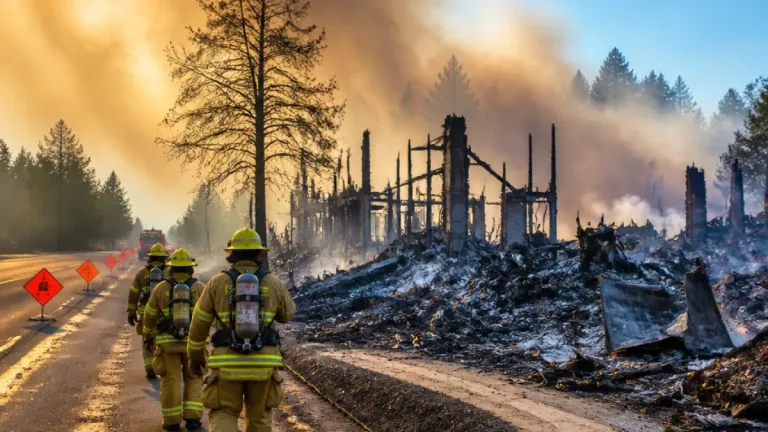
Lane Regional Air Protection Agency provides the regulatory baseline for AQI in the county; PurpleAir sensors extend that picture, often revealing neighborhood-scale variation. Residents can check both LRAPA and PurpleAir maps to track changes in real time. Emergency crews reported no major fires starting in Lane County during the recent red flag period, though small fires and heightened local responses were noted.
| Source | Reported figure |
|---|---|
| LRAPA — north Eugene | AQI 135 |
| LRAPA — Springfield | AQI 127 |
| Statewide burned area | >2,000,000 acres |
For Eugene residents, the immediate implications are practical and local: the same warm weather that drives energy use and outdoor activity also traps smoke and magnifies health risks. Those with asthma, chronic obstructive pulmonary disease or cardiovascular disease should be especially cautious. Children, older adults and pregnant people should limit outdoor time until monitors show improvement.
Officials warn the situation could linger. Smoke episodes from large wildfires can shift with winds and local topography, so a relatively calm morning can become a smoky afternoon and vice versa. Keep an eye on LRAPA and National Weather Service updates, and err on the side of caution if you smell or see thick haze in Eugene neighborhoods.
Local health and emergency officials continue to monitor conditions and will update recommendations as forecasts and air-quality readings evolve.