Columbus — Ohio authorities are raising the alarm after law enforcement and public-safety officials detected new synthetic opioids and veterinary sedatives in the state's drug supply, warning the substances can cause life-threatening respiratory depression and other severe effects.
What was found and why does it matter?
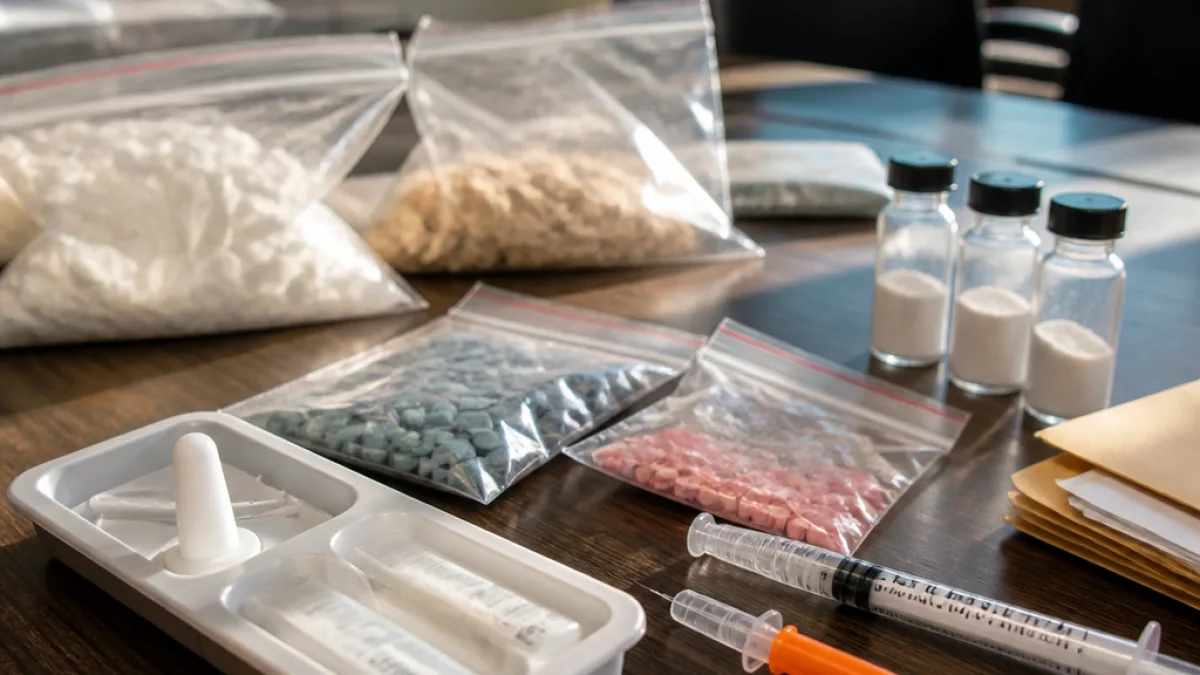
The Ohio Department of Public Safety and the Ohio Narcotics Intelligence Center issued two public safety bulletins on Friday describing growing encounters with orphine analogs — a subgroup of new synthetic opioids — and the veterinary sedatives medetomidine and xylazine. Officials said the substances have appeared in seized drug samples and in suspected overdose incidents across the state.
Why should Ohioans care? Because these compounds are not the drugs people may expect. They can be far more potent, unpredictable and resistant to standard emergency measures.
How these drugs act
State officials described orphine analogs as synthetic compounds engineered to mimic the effects of controlled opioids such as morphine and fentanyl. Those analogs are highly potent and can rapidly depress breathing and alter the central nervous system.
The second bulletin highlighted medetomidine and xylazine, sedatives used in veterinary medicine that are not approved for human use. The bulletins said these sedatives are increasingly present in polydrug mixtures circulating in Ohio and can cause deep sedation and other life-threatening effects.
| Substance | Category | Primary reported effects |
|---|---|---|
| Orphine analogs | New synthetic opioid | Respiratory depression; CNS suppression |
| Medetomidine | Veterinary sedative | Profound sedation; potential life-threatening effects |
| Xylazine | Veterinary sedative | Deep sedation; complicates overdose response |
What officials are urging
The bulletins stress the evolving and unpredictable nature of the drug supply and urge heightened awareness among first responders, public health workers, harm-reduction programs and the general public.
“The drug landscape is always evolving and currently contains dangerous and unpredictable polydrug mixtures. People may think they are taking one substance, when it could be something else entirely, something much more dangerous and potentially fatal,” Ohio Department of Public Safety Deputy Chief of Staff Cynthia Peterman said in a release.
Officials reiterated immediate steps for bystanders and responders when they encounter a suspected overdose:
- Call 911 immediately.
- Administer naloxone (Narcan) if available.
- Stay with the person until emergency medical personnel arrive.
State guidance notes that naloxone should be used in suspected opioid overdoses. However, veterinary sedatives such as xylazine and medetomidine are not reversed by naloxone and can complicate clinical response, requiring additional medical care.
What this means locally
Overdose responders and emergency departments may see more complex presentations when multiple substances are involved. That can mean longer on-scene times for EMS, additional monitoring in hospitals and challenges for community harm-reduction programs that rely on naloxone distribution.
Public-health partners and first responders already distributing education and naloxone should be prepared to encounter polydrug mixtures and to coordinate with hospitals and poison-control centers for clinical guidance.
Where to get more information
The Ohio Narcotics Intelligence Center posted the two public safety bulletins online and the Department of Public Safety encouraged agencies and community members to review them for details. The bulletins outline the substances of concern and advise professionals on response and reporting.
How should Ohioans act now? Carry naloxone if you are at risk or around people at risk of overdose, know how to use it, and call 911 in any suspected overdose. For professionals, the bulletin highlights heightened surveillance, evidence collection and interagency communication as key steps.
As the drug market continues to change, officials say rapid information sharing and readiness remain central to preventing fatal overdoses.