Honolulu — Allegations of bribery and corruption involving high-ranking state officials and more than $300 million in federal COVID-19 relief have prompted at least one U.S. lawmaker to flag the possibility of a federal review, intensifying scrutiny of how pandemic-era dollars were managed in Hawaii.
What federal attention could mean
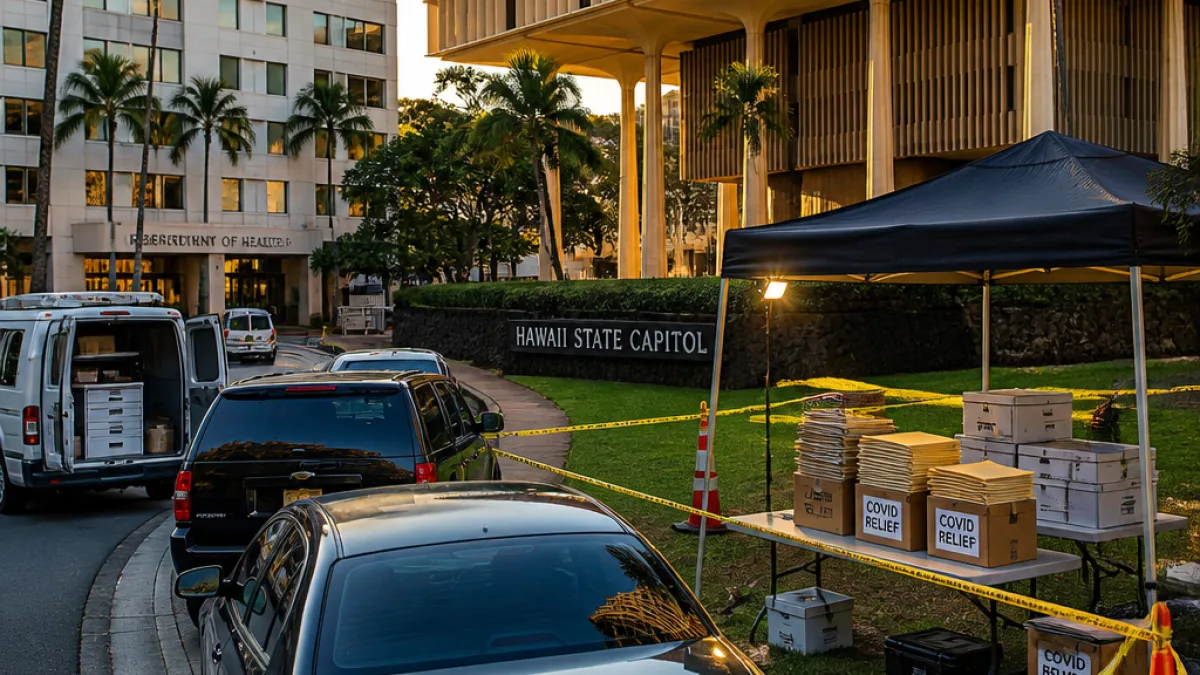
U.S. Rep. Ed Case, who sits on a committee that oversees funding for the Federal Emergency Management Agency, said federal officials are likely to take a close look at the flow of pandemic assistance that moved through the Hawaii Department of Health for testing, immunizations and other response efforts.
"The federal government is likely to take a look at the track of over $300 million of federal money that came down here for Covid assistance."
Case framed the potential review as a targeted inquiry rather than an aggressive raid: federal authorities would assess whether criminal allegations surrounding state administration of COVID funds warrant deeper action. "It doesn't mean that they would come in here with guns blazing," he said, according to public reporting. Still, the representative described the situation as troubling and said the indictment raises questions about the direction of funds intended for public health.
Allegations at the center
State prosecutors have indicted five people in a public corruption case that centers on emergency appropriations and the state's disbursement of federal COVID support. The indictment names business interests and alleges bribery to influence the allocation of contract money tied to pandemic response. Among the public officials identified in reporting is Lt. Gov. Sylvia Luke.
The charges stem in part from an emergency appropriation that prosecutors say was justified by delayed federal reimbursements — a pause that created a need for the state to cover expenses up front. According to Case, the indictment has prompted debate over whether money flowed as intended and whether the temporary bridging of funds created opportunities for illicit influence.
Political and civic fallout
The case arrives at a fraught time for Hawaii government: an ongoing primary election and already low levels of public trust, as elected officials navigate both governance and campaigning. Case, who described the indicted conduct as "sad," emphasized the legal principle that an indictment is not a conviction while acknowledging the damage such allegations inflict on public confidence.
Local leaders, procurement officials and public health administrators may face renewed calls for transparency from community groups and lawmakers. For residents reliant on public programs funded with federal relief, the allegations raise practical concerns about stewardship of emergency resources and the administrative safeguards that should accompany federal grants.
Key facts at a glance
| Item | Detail |
|---|---|
| Amount under review | $300 million |
| Number indicted | 5 people |
| Federal agency tied to funds | FEMA (via COVID assistance) |
Federal funding for COVID response often came with strings attached: documentation requirements, reimbursement rules and monitoring expectations. When states fronted costs and later sought federal reimbursement, records and audit trails were vital. Prosecutors allege that the emergency appropriation at the heart of the indictment depended on the assertion that reimbursements had not yet arrived, creating room for disputed transfers.
Questions for the next steps
Observers say the most immediate questions center on whether federal auditors or the Justice Department will open a parallel probe, and what administrative reforms the state will undertake while legal proceedings move forward. Case suggested a measured federal review would be likely; what that review looks like and whether it results in civil audits, enforcement actions, or criminal referrals remains to be seen.
- How federal reimbursement records document the $300 million in question;
- Whether FEMA or the Department of Justice will initiate a formal review;
- What changes to state procurement and oversight will be proposed to prevent future risk.
For many Hawaiʻi residents, the case serves as a reminder that emergency funding — meant to protect health and livelihoods — also requires vigilant oversight. As investigators pursue the allegations laid out in the indictment, lawmakers and watchdogs will be watching the flow of money as closely as they watch the legal timetable.
Reporting on the story is ongoing. As investigations and any federal reviews develop, agencies involved will release additional details that could clarify the origin, handling and final disposition of the COVID-era funds now under scrutiny.