
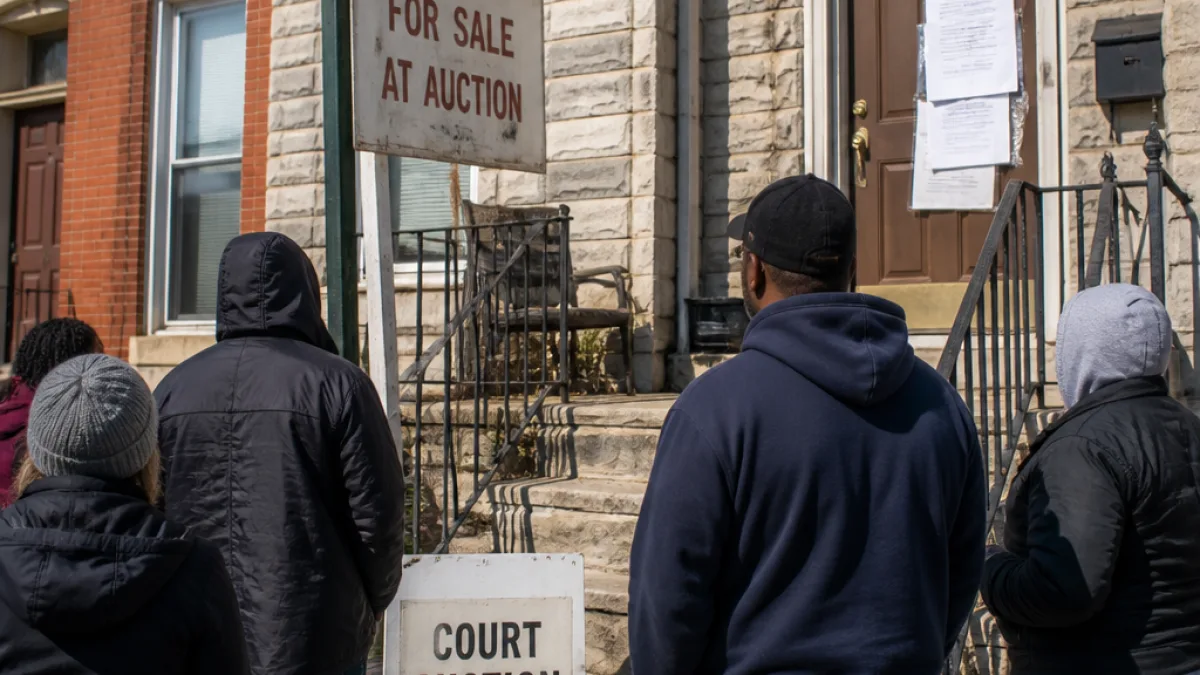
Homeowners across Maryland are reporting that routine disputes with condominium and homeowners associations have escalated into financial catastrophes after boards assessed fees, pursued legal action and filed liens, culminating in foreclosures that leave residents displaced or fighting to stay.
One dispute, dramatic financial consequences
In Baltimore, Aaron Davis says a problem that began with a leak in his bathroom ceiling turned into a months‑long legal battle where his condo association charged more than $60,000 in attorney fees, filed what he says were inaccurate lien amounts in court records and misapplied his monthly payments. The association purchased Davis’ three‑bedroom home at a May foreclosure auction for $10,000, though he paid $130,000 for the property in 2021. Davis currently remains in the house while the sale awaits final approval.
Advocates and residents describe similar stories in which assessments, enforcement costs and litigation have rapidly grown beyond the scope of the original dispute, placing long-term homeowners and recent buyers alike at risk of losing their homes.
How small disputes become existential threats
Homeowners report a pattern: a maintenance disagreement, a missed assessment or a contested charge leads the association to hire counsel, levy additional fees and, in some cases, record liens or initiate foreclosure proceedings. When legal and administrative costs are added to underlying assessments, the total amount owed can far exceed the original obligation, according to the accounts provided by affected owners.
Residents say that several procedural issues can worsen outcomes, including:
- Disputed or unclear billing statements and fee calculations
- Failure by associations to correctly apply payments made by owners
- Attorney fees and court costs that compound unpaid assessments
- Liens recorded with inaccurate amounts, complicating title and sale processes
Human consequences remain visible
Beyond numbers on a ledger, these disputes have real consequences: families report anxiety, disrupted lives and uncertainty about their legal rights and housing stability. In Davis’ case, the noticeable gap between what he paid for the home and what it fetched at auction underscores the financial blow a foreclosure can deliver — wiping out equity built through recent purchase or years of ownership.
For homeowners who are elderly, low‑income, or recently arrived in a condominium community, the stakes can be especially high. These residents often lack the resources to contest aggressive collection tactics or to immediately hire counsel to challenge lien calculations.
What affected homeowners should consider
Residents involved in disputes with their associations may find the following steps useful to protect their interests:
- Document all payments, communications and notices from the association.
- Request an itemized accounting of charges and legal fees.
- Seek legal advice early — many communities and legal aid organizations provide counsel or referrals for homeowners facing foreclosure threats.
- Engage the association board through meetings and written requests to resolve disputes before costs escalate.
Financial snapshot
| Item | Amount |
|---|---|
| Purchase price (2021) | $130,000 |
| Attorney fees charged (as reported) | More than $60,000 |
| Foreclosure auction sale price (May) | $10,000 |
The stark contrast between what Davis paid in 2021 and the amount realized at auction highlights the erosion of homeowner equity when enforcement actions progress to foreclosure.
Maryland residents facing similar disputes frequently find themselves navigating both association governance rules and the court system — systems that can be opaque and slow. That delay often leaves homeowners living in limbo, uncertain whether they will keep their homes or be required to vacate after a sale becomes final.
As more homeowners come forward with accounts of punitive fee structures and aggressive collection practices, questions about association transparency, billing practices and oversight are likely to increase. For now, the people most affected are those whose daily lives and financial security hinge on the decisions of boards and the actions of outside attorneys.
The experiences of homeowners like Davis underscore how seemingly routine property disputes can escalate into profound and long-lasting harm — particularly for residents without the time or money to fight protracted legal battles.