
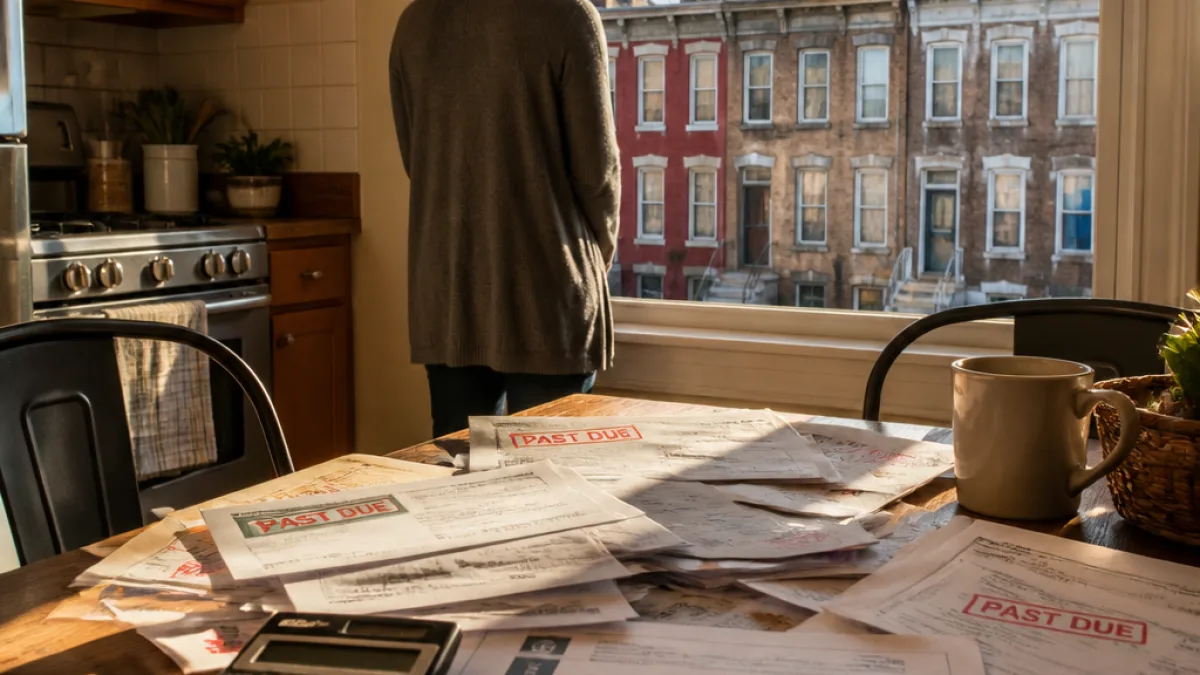
The latest State of ALICE in Maryland report, published in June by United Way of Central Maryland, shows that 39 percent of households in the state either live in poverty or fall into the ALICE category—Asset Limited, Income Constrained, Employed. The finding underscores a widening affordability gap in Maryland even as many adults maintain full-time employment.
Who ALICE represents and what it costs to survive
United Way’s household survival budget for 2024 places the bare minimum cost to support one adult at $42,120 per year. Households identified as ALICE earn above the federal poverty threshold but still cannot reliably meet fundamental expenses such as rent, child care, food, transportation, health care and basic technology.
The ALICE framework is intended to capture families whose earnings are insufficient to cover a modern, basic standard of living—even when they do not technically fall below the federal poverty line.
Racial and regional disparities
The report also highlights stark disparities by race. Nearly half of Black households (49 percent) and 45 percent of Hispanic households fall below the survival budget. By contrast, the poverty rate for Black households is listed at 11 percent, compared with 5 percent for white households, illustrating how many families live above the poverty line yet remain economically vulnerable.
“Baltimore, as an example—our most populated area—is still highly segregated, and it’s so easy to see where pockets of money are and where pockets of money aren’t across the board,” said Aleksey Reshetnikov, senior director of research for United Way of Central Maryland.
Reshetnikov pointed to the combined forces of rising costs and stagnant or inadequate wage growth for many jobs. He also noted that gentrification has reshaped neighborhoods and added pressure to households that were already stretched thin.
What this means for everyday Marylanders
For families living on the ALICE threshold, small shocks—an unexpected medical bill, a car repair, or a period of reduced work hours—can push them into deeper hardship. The data paints a picture of workers who are employed but still facing chronic struggle to pay for essentials.
Community organizations such as United Way continue to provide assistance, but the report signals the need for broader policy responses and local supports tailored to the realities of working families.
- 39% of Maryland households are either in poverty or ALICE.
- $42,120 is the 2024 household survival budget for one adult.
- 49% of Black households and 45% of Hispanic households fall below the survival budget.
- Black households have a poverty rate of 11% compared with 5% for white households.
Data at a glance
| Measure | Value |
|---|---|
| Households in poverty or ALICE | 39% |
| Survival budget for one adult (2024) | $42,120 |
| Black households below survival budget | 49% |
| Hispanic households below survival budget | 45% |
| Black poverty rate | 11% |
| White poverty rate | 5% |
Voices behind the numbers
The statistics describe more than percentages; they describe families juggling work schedules and bills, seniors choosing between prescriptions and groceries, and parents balancing child care costs with the need to keep working. Reshetnikov’s observation about Baltimore’s segregation helps explain how long-standing patterns of investment and disinvestment continue to shape life chances for many Marylanders.
Local advocates argue that addressing the problem will require a mix of strategies: wage increases, affordable housing production, expanded child care support, and targeted assistance for neighborhoods hit hardest by economic displacement.
United Way of Central Maryland’s report serves as both a snapshot and an alarm, urging policymakers, employers and community organizations to reckon with the reality that employment alone no longer guarantees economic security for a large share of the state’s households.
As Maryland moves forward, the human stories behind the ALICE data will be essential to shaping responses that protect families from the precariousness the report documents. The numbers suggest an urgent and practical question for leaders: how to translate broad economic growth into stable, livable incomes across all communities.
For readers seeking assistance or wanting to learn more about ALICE and the report’s methodology, United Way of Central Maryland remains a primary resource for local data and programs serving households facing these challenges.