Federal scrutiny of artificial intelligence infrastructure has moved to the banks of the Mississippi. In a letter delivered this week, Rep. Frank Pallone (D‑N.J.), the top Democrat on the House Committee on Energy and Commerce, demanded that SpaceX CEO Elon Musk arrange a tour of the company’s xAI data centers and accompanying power plants in and around Memphis.
Why members of Congress want a closer look
Pallone’s request frames the Memphis facilities as part of a larger national debate over the local impacts of large AI data centers. The letter points to concerns held by residents nationwide — from rising electricity costs to strain on the electric grid, noise and pollution — and asks for specific information about how the facilities operate and affect surrounding communities. Pallone gave the company until Aug. 11 to provide the requested access and materials.
"Americans are concerned about what data centers and Big Tech's push for more AI means for their communities, jobs, property values, and future,"
The facilities at the center of the dispute are known as Colossus and Colossus 2, described in reporting as including three data centers equipped with Nvidia processors. Those sites were originally built by xAI, the startup acquired by SpaceX, and are central to the company’s ambitions to build advanced AI models and eventually explore ambitious concepts such as orbital data centers.
Local impacts raised by critics
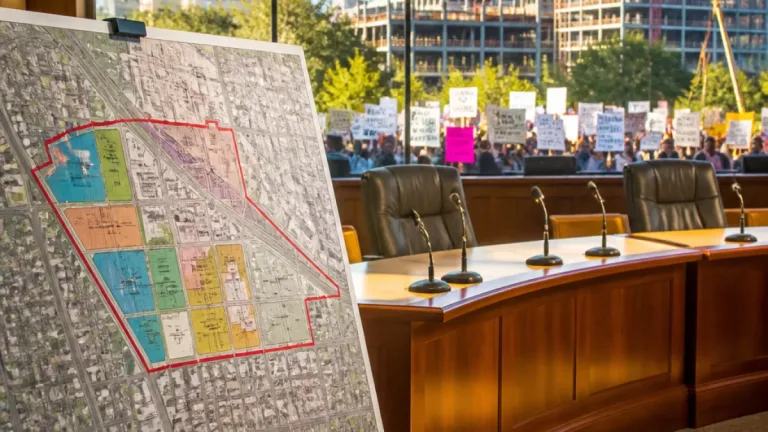
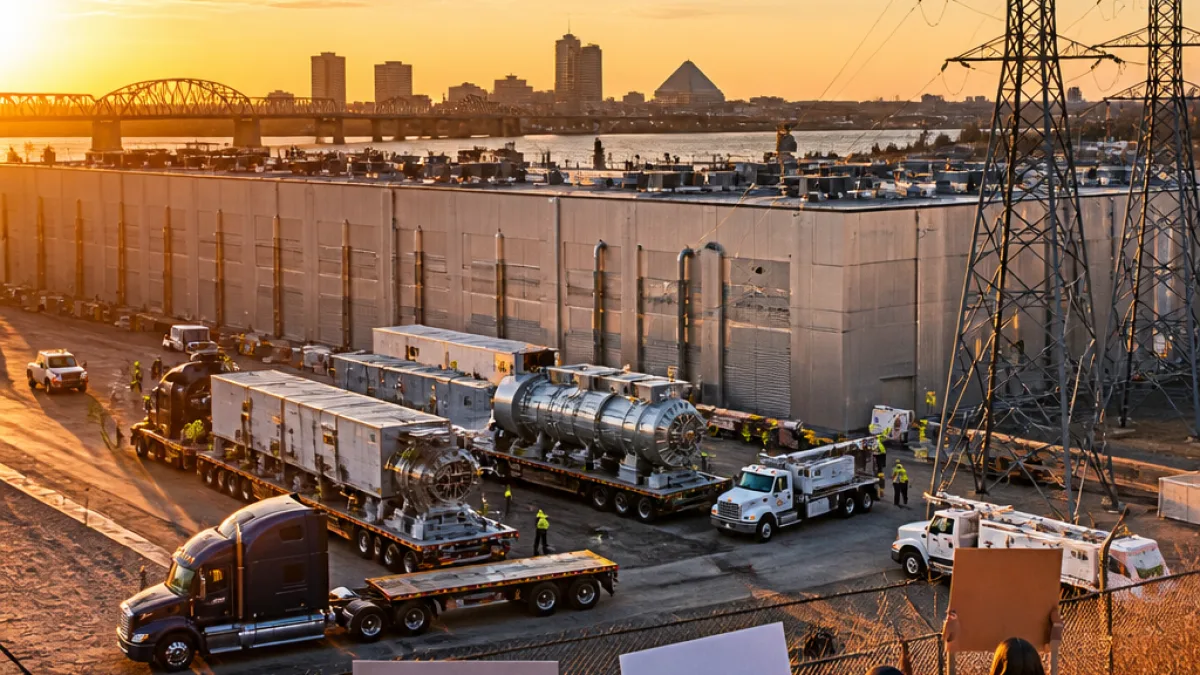
Public opposition to on‑site AI data centers has surged around the country, and Memphis has become one of the focal points. Critics and community groups have alleged that operators trucked in off‑grid gas turbines to power the facilities, raising concerns about air pollution and whether the turbines have required permits and pollution controls.
Those allegations have prompted litigation and federal action. Environmental advocates and the NAACP filed a lawsuit in Mississippi alleging illegal pollution from the turbines. Separately, the Department of Justice under the Trump administration filed a motion to intervene in a manner described as assisting xAI in defending against that suit.
- Congressional oversight: Rep. Pallone has sought a tour and information by Aug. 11.
- Local objections: Concerns include electricity prices, grid strain, noise and air pollution.
- Legal actions: Complaint filed by environmental groups and NAACP; DOJ motion to intervene reported.
Facilities and the controversy
The Colossus sites are described as containing cutting‑edge computing infrastructure used to train and run AI models. Reported details in national coverage tie those centers to xAI’s efforts to compete with other large AI developers.
| Facility | Reported detail |
|---|---|
| Colossus | One of the xAI data center sites near Memphis; built with Nvidia processors |
| Colossus 2 | Additional xAI data center(s); part of the multi‑site buildout |
| Power plants / turbines | Off‑grid gas turbines reportedly trucked in to power the facilities; permitting and pollution controls questioned |
Locally, the debate centers on tradeoffs: the promise of high‑tech jobs and investment against concerns about community health, environmental quality and the reliability and cost of power. Gallup polling cited in coverage found broad national resistance to local AI data centers, with seven in 10 Americans opposing construction of such facilities near them.
SpaceX did not respond to requests for comment in the reporting. The letter from Pallone underscores the increasing role of congressional oversight when corporate projects intersect with essential public services and environmental protection.
For Memphis residents, the unfolding dispute ties national policy questions — about how and where advanced computing should operate — to neighborhood‑level consequences: traffic from equipment transport, neighborhood noise, and potential changes to electricity availability and cost. As federal, state and local authorities weigh the legal and technical issues, the community will be watching whether access and transparency increase, and whether regulators can ensure that expansion of AI infrastructure does not outpace public safeguards.