Big projects, bigger questions
Little Rock has found itself at the center of a debate typical of communities across the country: whether to welcome massive datacenters that promise economic investment and jobs, or to push back over water use, energy rates and the erosion of local control.
Two large proposals surfaced earlier this year. One would bring Google to a 384-acre parcel at the Port of Little Rock, building a datacenter campus of roughly 1.43 million square feet with a price tag approaching $1 billion. The other, backed by Avaio, would be sited about 10 miles south of the city on low-lying, forested land in unincorporated Pulaski County; that project is described as a roughly $6 billion development.
City leaders, residents and state lawmakers have found themselves weighing the potential benefits — construction jobs, tax revenue and infrastructure investment — against concerns about long-term resource demands and who holds decision-making power.
- Scale: Google — ~1.43 million sq. ft., ~384 acres; Avaio — multibillion-dollar campus about 10 miles south of Little Rock.
- Cost: Google project ~ $1 billion; Avaio project ~ $6 billion.
- Contested issues: water consumption, electricity rates, local permitting authority and environmental impacts on marshy forest.
State law, local limits
Arkansas lawmakers passed legislation in 2023 that prevents local governments from banning datacenters outright. That statute has become a focal point in Little Rock, where opponents say the law narrows communities’ ability to respond to large industrial land uses that carry unusual utility demands.
Some elected officials and residents argue the measure’s inclusion of datacenters was not accidental. Others say the provision was appended while the legislature debated other matters — notably a response to cryptocurrency mining operations in rural areas — and that the rapid emergence of hyperscale datacenters was not widely anticipated when the bill was enacted.
"I would say it’s kind of the far left and the far right ran into each other and had a hug," said Little Rock Mayor Frank Scott Jr., describing the cross-ideological nature of opposition to datacenters.
State Rep. David Whitaker, a Democrat from Washington County, told reporters the datacenter language was tacked onto broader legislation and that the result had effects lawmakers did not foresee when they were addressing other technology concerns.
Resource anxieties
Water and power are central to the debate. City leaders and residents have raised alarms that hyperscale facilities consume large volumes of water for cooling and that sustained increases in electrical load could influence utility rates for ordinary customers. For municipal officials, the issue is both practical and strategic: water is framed as a public security and quality-of-life matter, while electricity cost shifts can affect families and local businesses.
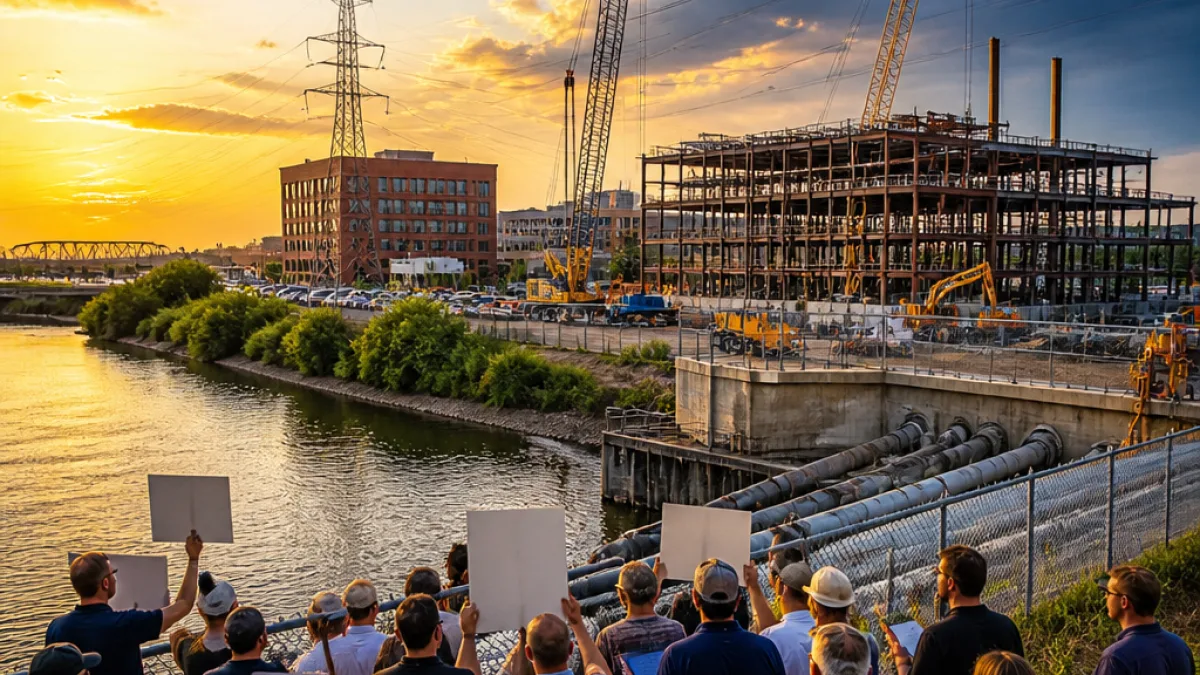
Those concerns filter into conversations about the location of projects. The Avaio site, described as marshy forest in unincorporated Pulaski County, raises environmental questions as well as questions about whether the county or the city will set the rules. At the Port of Little Rock, a project of Google’s scale touches a different set of land-use and infrastructure issues tied to an industrial riverfront.
Politics, permits and public meetings
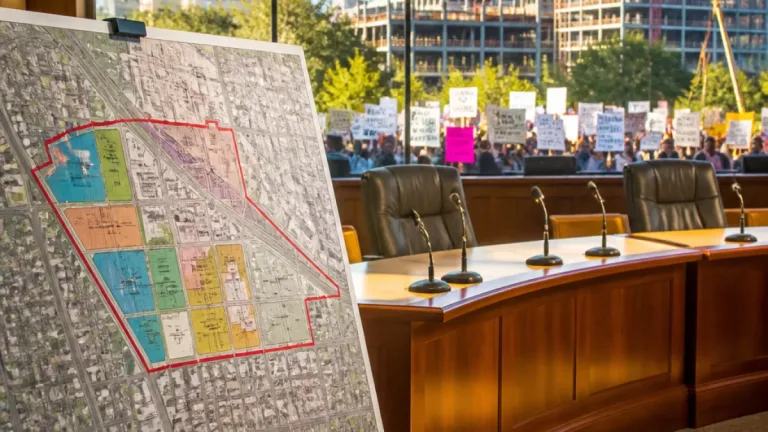
In many municipalities, public pressure at council and commission meetings can block or reshape major developments. But Arkansas’ prohibition on outright bans has left opponents searching for other tools — detailed regulatory reviews, special permits, infrastructure agreements and public advocacy — to influence outcomes. That dynamic has made hearings and public comment periods the primary arenas for conflict.
Little Rock’s mayor, who faces re-election this year, has been explicit in raising concerns about the projects’ potential effects on utility systems and residents. Opponents have echoed those worries and argued that the projects could have uneven impacts across neighborhoods, including historic and rural communities.
What comes next
Both projects remain subject to regulatory review and permitting processes. Local and state officials will continue to wrestle with the technical details — projected water and electric loads, infrastructure upgrades, tax arrangements and environmental assessments — while residents seek greater clarity on community benefits and protections.
As Little Rock navigates the tension between attracting large-scale investment and safeguarding local resources, the outcome will be watched by other Arkansas communities confronting similar proposals. The debate here underscores a larger national question: how cities and states fashion rules that balance growth with the everyday needs of residents.
| Project | Size / Location | Estimated Cost |
|---|---|---|
| ~1.43M sq. ft.; Port of Little Rock; ~384 acres | ~$1 billion | |
| Avaio | Unincorporated Pulaski County; ~10 miles south of Little Rock; marshy forest | ~$6 billion |