Mayor pushes to return Spurs arena funding to voters
San Antonio — Mayor Gina Ortiz Jones is asking City Council to let voters decide in November whether the city should shoulder a $489 million contribution toward a proposed downtown Spurs arena — a move that has reopened a heated debate at City Hall and drawn sharp pushback from some council members.
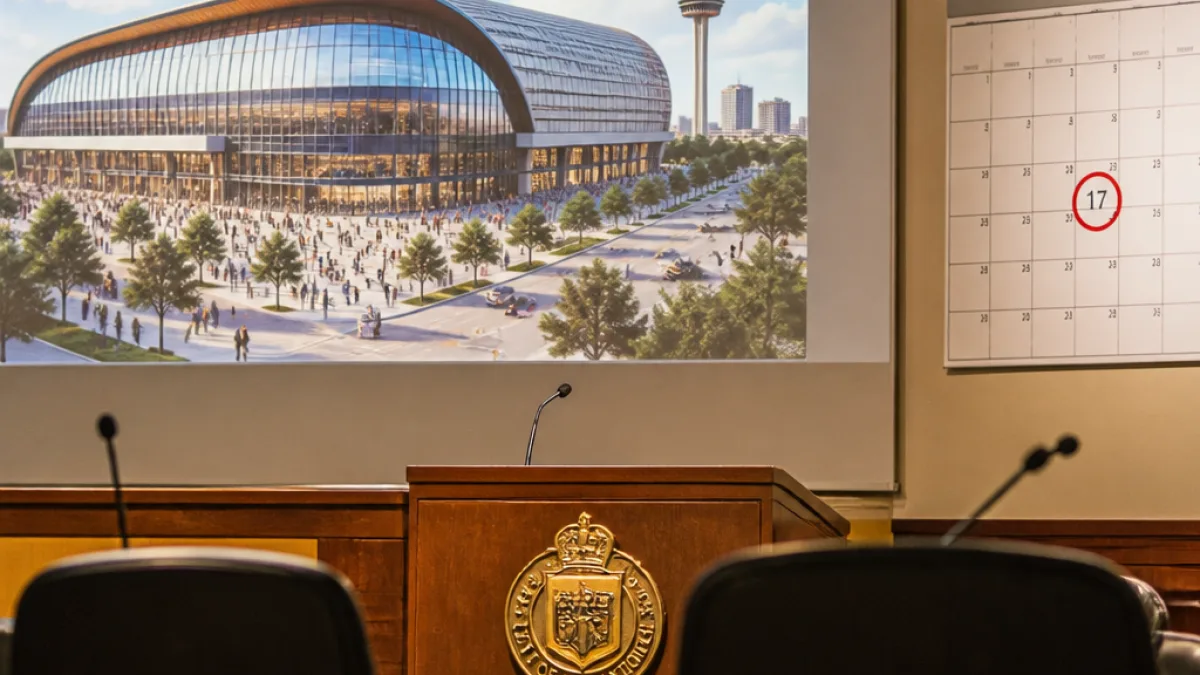
To get the city’s contribution placed on the November ballot, the mayor must secure at least six votes on the council by Aug. 17. The proposal has reignited tensions after many believed the larger funding conversation had been settled earlier this year.
What the proposal would cover
City officials and project backers describe the arena’s financing as coming from three main sources:
- $311 million approved by county voters last November
- $500 million from the Spurs ownership group
- $489 million proposed from the city
The mayor has said the city’s share would come partly from state tax revenue earmarked for entertainment venues, with the remainder expected to be covered by revenue generated by the arena itself and by nearby shops and restaurants once the complex is built.
| Source | Amount |
|---|---|
| County voters (approved) | $311 million |
| Spurs ownership | $500 million |
| City (proposed) | $489 million |
Council friction and public messaging
Not all council members are on board with reopening the question. During a City Hall news conference about data centers, District 1 Councilwoman Sukh Kaur pivoted to the arena funding issue and voiced frustration over the mayor’s push.
“I’m so fired up today, because we are literally back from break in a really tough moment, one that I never had to experience as a councilperson before,” Kaur said.
Kaur argued that last November’s ballot already gave voters a clear picture of what they were deciding on and suggested the new move could be confusing or redundant. Mayor Jones has countered that last year’s vote was limited to the county’s portion and that a separate public decision is appropriate for the city’s larger, distinct commitment.
“A lot of folks were not confused right they recognized that November was about the county’s contribution $311 million which they live in the county,” Jones said, framing the choice as one that should be made directly by San Antonio residents.
Why this matters locally
At stake is not only a high-profile downtown development but also how the city finances future projects and uses designated state funding. If the council allows the question to go to voters and the measure passes, the city would commit to a sizable public investment that officials say relies in part on future arena- and district-generated revenue.
If the council denies the mayor’s request, the city would avoid placing the commitment before voters this fall, but the broader political fight could continue — through more council debate, legal questions about funding mechanisms, or further public engagement efforts led by both proponents and opponents.
Beyond dollars and votes, the dispute underscores broader tensions over downtown development and priorities for public investment in San Antonio. For many residents, the arena is presented as a catalyst for new jobs, tourism and retail activity downtown. For critics, it is a large financial risk that could divert resources from other city needs.
Next steps
The mayor has said she will continue to make the case directly to residents, holding listening sessions and public appearances to explain how the city’s portion would be funded and what safeguards would guide spending. Meanwhile, council members will decide whether to grant the request before the Aug. 17 deadline.
Whatever the outcome at City Hall, the debate over the Spurs arena will remain a defining political issue for San Antonio this election season, with consequences for downtown development and the city’s fiscal path.