Federal filing says grant cuts were based on political outcomes
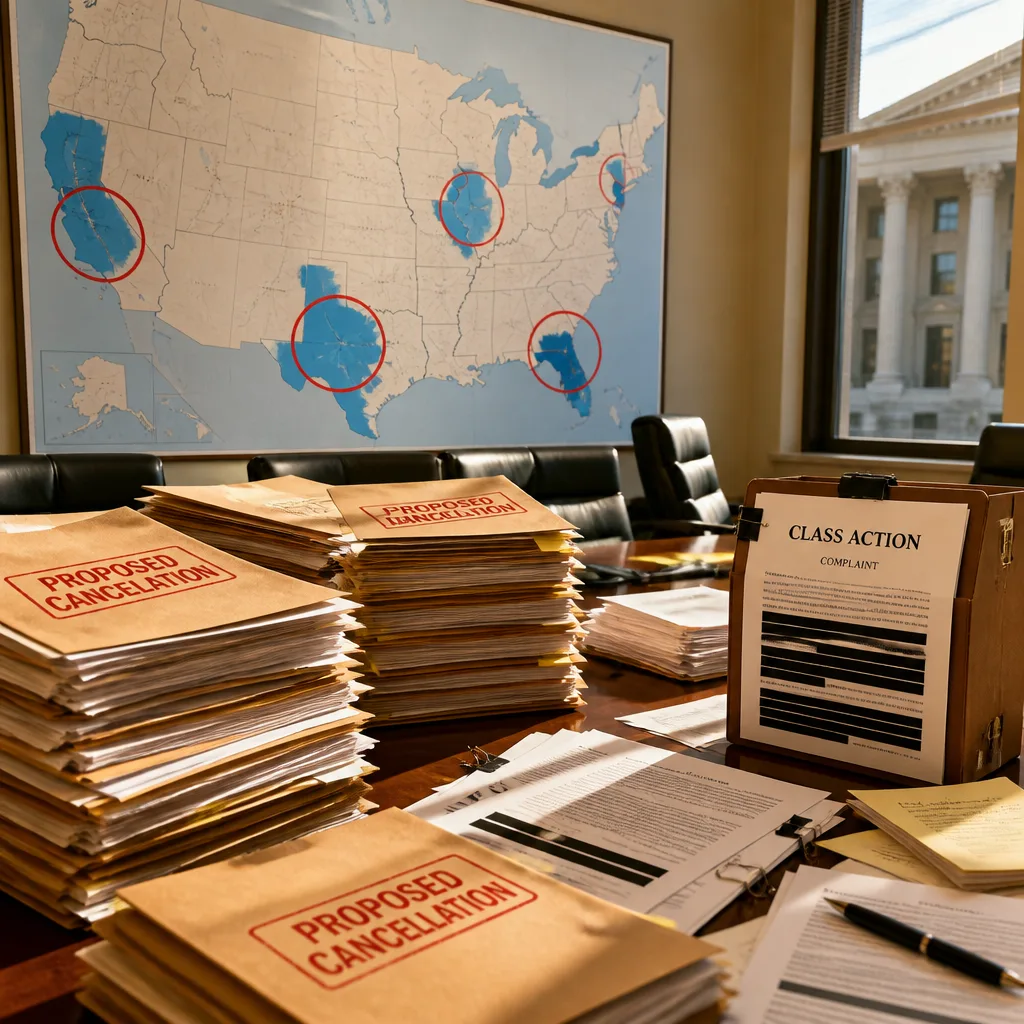
Federal officials acknowledged in a court filing that the Department of Energy recommended cancelling a large tranche of clean‑energy grants for recipients in states where Vice President Kamala Harris carried the 2024 vote and that have two senators aligned with Democrats. The disclosure is part of a July 15 filing in a class‑action lawsuit seeking to reverse the cancellations.
According to the filing, the Energy Department provided the Office of Management and Budget with a list of more than 600 grants it proposed removing from the grant rolls; OMB later terminated 284 of those awards in October 2025. Plaintiffs in the lawsuit — researchers from the University of California — argue the moves were driven by politics rather than lawful criteria.
“based ‘solely’ on states’ ‘political identity’ and whether President Donald Trump won the vote there”
What the filing and surrounding events show
The filing aligns with a pattern of actions by the current administration in its second term that critics say target jurisdictions perceived as political opponents. Earlier episodes include an attempt earlier this year to pause $10 billion in social services funding for five Democratic‑led states that was later abandoned, and a staggered release of FEMA disaster aid that left out several states governed by Democrats despite public friction with the White House.
Department of Homeland Security officials have denied political motives in at least some of those decisions. The recent reveal also comes amid an expanded role for OMB Director Russell Vought, who has sought greater control over federal spending decisions.
Legal challenge and stakes
The class‑action complaint seeks to overturn the October cancellations. The plaintiffs contend that selecting grants for termination on the basis of the recipient state's political alignment violates constitutional and statutory limits on the executive branch’s use of appropriations and authority.
If the court finds the administration acted unlawfully, remedies could include reinstating funding, directing new procedures for grant review, or imposing limits on how OMB and agencies coordinate politically sensitive spending decisions. A ruling against the administration would also be a significant check on efforts to use federal resources in ways critics say amount to partisan retribution.
Context: a broader pattern of contested spending decisions
Observers note that the cancellation episode is not isolated. The filing and previous episodes point to a more assertive OMB that has exercised influence over which programs move forward. The consequences reach beyond the affected recipients: the cancellations touch state energy plans, research projects and local employment tied to federal clean‑energy investments.
- Grants flagged by DOE: more than 600 recommended for cancellation
- Grants terminated by OMB: 284 in October 2025
- Legal action: class‑action suit filed by University of California researchers
| Item | Figure |
|---|---|
| Grants recommended for cancellation | More than 600 |
| Grants terminated | 284 |
| Noted related amounts in prior episodes | $10 billion attempted freeze; $5 billion in delayed FEMA aid released |
Administration officials have defended their discretion over spending decisions, arguing for tighter stewardship of federal funds. Critics — including Democratic lawmakers cited in initial reporting — say the filings confirm partisan motivations and amount to an abuse of executive power.
The immediate effect has been to deprive recipients of funding they had anticipated for clean‑energy work, research and implementation. Longer term, the dispute raises questions about how and when political considerations may be factored into federal spending decisions, and whether current checks — congressional oversight, judicial review and administrative law — are sufficient to prevent partisan selection of recipients.
The case and related inquiries are likely to prompt closer scrutiny of OMB’s role in vetting agency grants and whether new safeguards are needed to protect the impartial administration of federal programs.