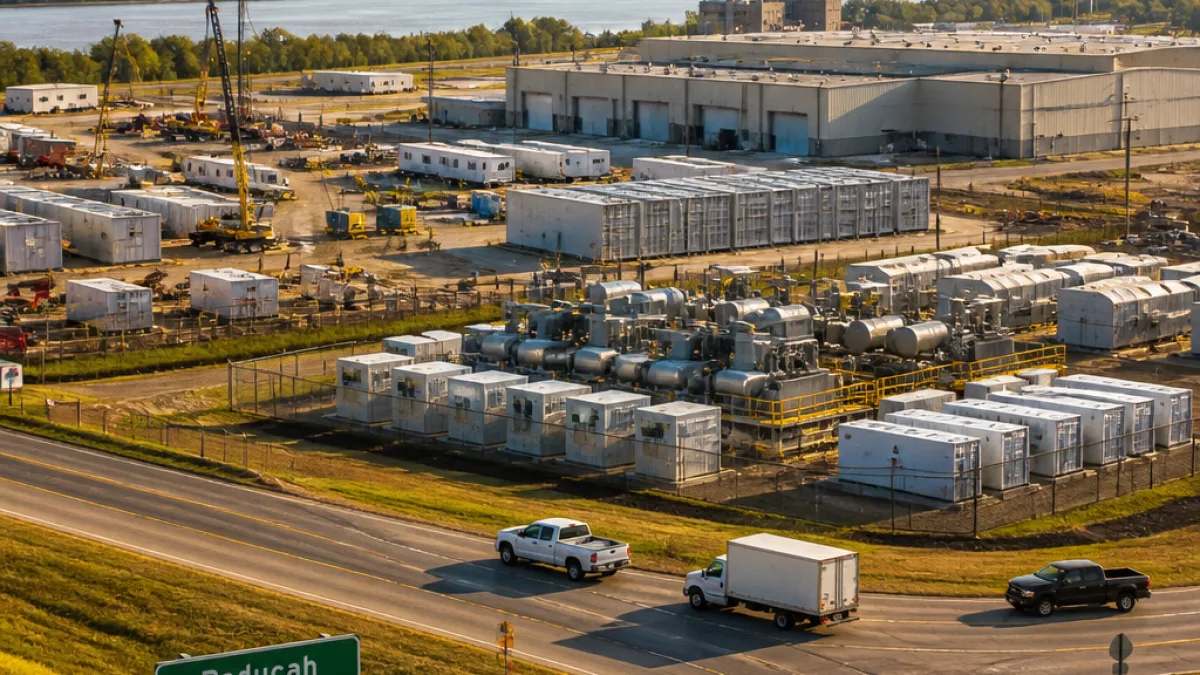
The U.S. Department of Energy has selected Brookfield Asset Management to develop and operate a proposed artificial intelligence data center at the government-owned Paducah Gaseous Diffusion Plant, part of a sweeping effort to convert Cold War-era nuclear sites into modern technology and energy complexes.
From uranium enrichment to data and power
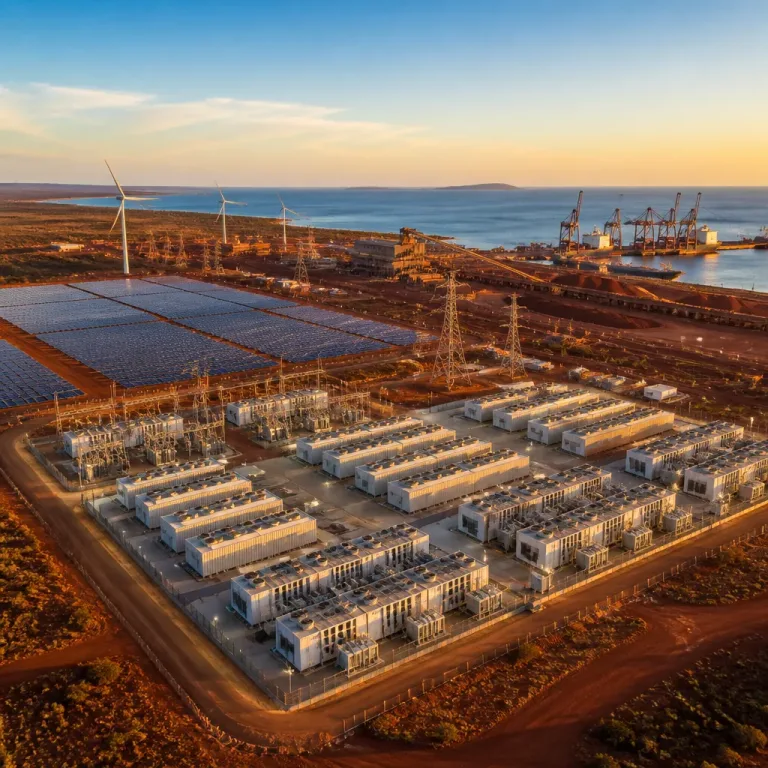
The department said the Paducah redevelopment would form a component of a broader initiative, with an estimated $100 billion in spending tied to the project. That sum is intended to cover the construction of large-scale data center facilities and a dedicated new natural gas-fired power plant with battery storage on site, according to the department and materials from Brookfield.
Paducah joins other Department of Energy properties tapped for similar repurposing. In March, the department announced a comparable plan at the Portsmouth Gaseous Diffusion Plant in Ohio. Earlier this month it named an engineering contractor, Amentum, to negotiate a lease for an AI data center and on-site power plant at the Savannah River Site in South Carolina.
What the federal government says it will bring to western Kentucky
Energy Secretary Chris Wright framed the effort as a national priority linking economic growth and strategic competition. On national television, Wright said the projects are intended to make former DOE sites “engines of innovation and economic growth” as the U.S. seeks an edge in artificial intelligence.
“There will be a lot of new natural gas power plants, a large data center, thousands of jobs and tens of billions of dollars of investment in rural western Kentucky,” Wright said on the Fox News program Fox & Friends.
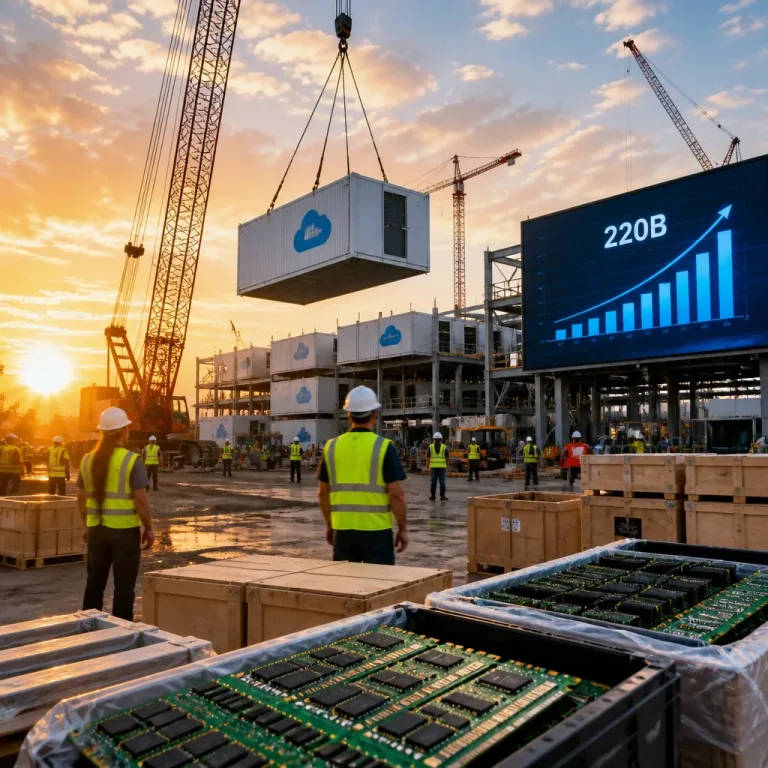
Brookfield, a New York–headquartered investment firm that reports more than $1 trillion in assets under management, will lead development and operation under terms the department is negotiating. A Brookfield spokesperson said roughly 30% of the projected $100 billion would be directed to physical construction of the data center and power components; the remainder would be deployed on the specialized equipment inside the facilities, including servers, routers and semiconductor chips.
Local scale and practical questions
For Paducah and the surrounding counties, the proposal promises major change: new energy infrastructure, expanded technology footprint and potential job creation. But the plan raises practical and regulatory questions that are not yet resolved in public disclosures, including the timetable for cleanup and reuse of a site undergoing significant decontamination and decommissioning after decades of uranium enrichment, and the environmental review process for building new fossil fuel–fired power generation adjacent to a former nuclear complex.
- Project partner: Brookfield Asset Management
- Site: Paducah Gaseous Diffusion Plant (DOE-owned)
- Estimated spending: $100 billion (total)
- Construction share: ~30% devoted to physical construction of data center and power components
- Planned energy: new natural gas plant plus battery storage on site
- Jobs: Department says “thousands of jobs” (no detailed breakdown provided)
Industry context and federal priorities
The series of announcements highlights the department’s strategy to retool decommissioned federal facilities as high-value technology hubs. Officials describe the conversions as aligned with a broader national push—underscored by the current administration—to secure U.S. leadership in artificial intelligence and to mobilize federal assets to that end.
Brookfield’s business lines include real estate, energy and data center services, industry observers note, making the firm a logical private-sector partner for the government in projects that sit at the intersection of infrastructure, power and compute capacity.
What remains to be seen
Key details are still pending: specific timelines, workforce development plans, environmental reviews, local tax and revenue arrangements, and the structure of leases and private financing. The department’s announcement and Brookfield’s initial comments focus on the scope and scale of investment and the strategic intent rather than on permitting milestones or labor agreements.
For residents of Paducah and the surrounding rural counties, the project represents both opportunity and uncertainty. The prospect of sizable investment and new employment competes with concerns about how the site’s long legacy of contamination will be managed, how new fossil generation will fit with state and federal climate goals, and how benefits will be distributed across the region.
As negotiations and planning proceed, local officials, environmental regulators and community stakeholders will be watching for concrete commitments on cleanup, jobs, timelines and safeguards. The DOE’s decision to leverage public sites for private high-tech development is likely to shape Paducah’s economic and physical landscape for decades.