FARGO — A Fargo state senator warned this week that the rapid expansion of hyperscale data centers and the rising role of artificial intelligence present issues North Dakota lawmakers can no longer set aside.
Lawmaker calls data centers a top concern
State Sen. Tim Mathern, D-Fargo, told reporters he believes some colleagues may press for a special legislative session to address policies surrounding data centers. Lawmakers are already preparing for a possible session called by Gov. Kelly Armstrong, which has been announced largely to consider regulation of kratom. Mathern said the growth of data centers and related AI issues deserve equal or greater attention.
"No. 1 in the state is the whole issue of data centers, AI and data centers. I think that's more important than kratom," Mathern said.
North Dakota already hosts five hyperscale data centers with additional projects planned. Those facilities, designed to support large-scale cloud computing and AI workloads, carry implications for electricity demand, local infrastructure, and taxation — topics that have increasingly drawn scrutiny in statehouses across the nation.
Why the issue matters locally
For Fargo residents, the debate is not only abstract. Data centers can bring jobs during construction and spur indirect economic activity, but they also consume large amounts of electricity and require robust cooling and network infrastructure. Decisions on incentives, tax treatment and utility regulation could affect bills, grid planning and development priorities in communities across the state.
- Economic stakes: Hyperscale centers can produce construction jobs and long-term operations roles, though the number of permanent onsite employees is often modest.
- Infrastructure pressure: Increased demand for power and broadband can prompt upgrades paid for by utilities, ratepayers or taxpayers.
- Policy choice: Lawmakers must weigh incentives to attract projects against public cost and community impacts.
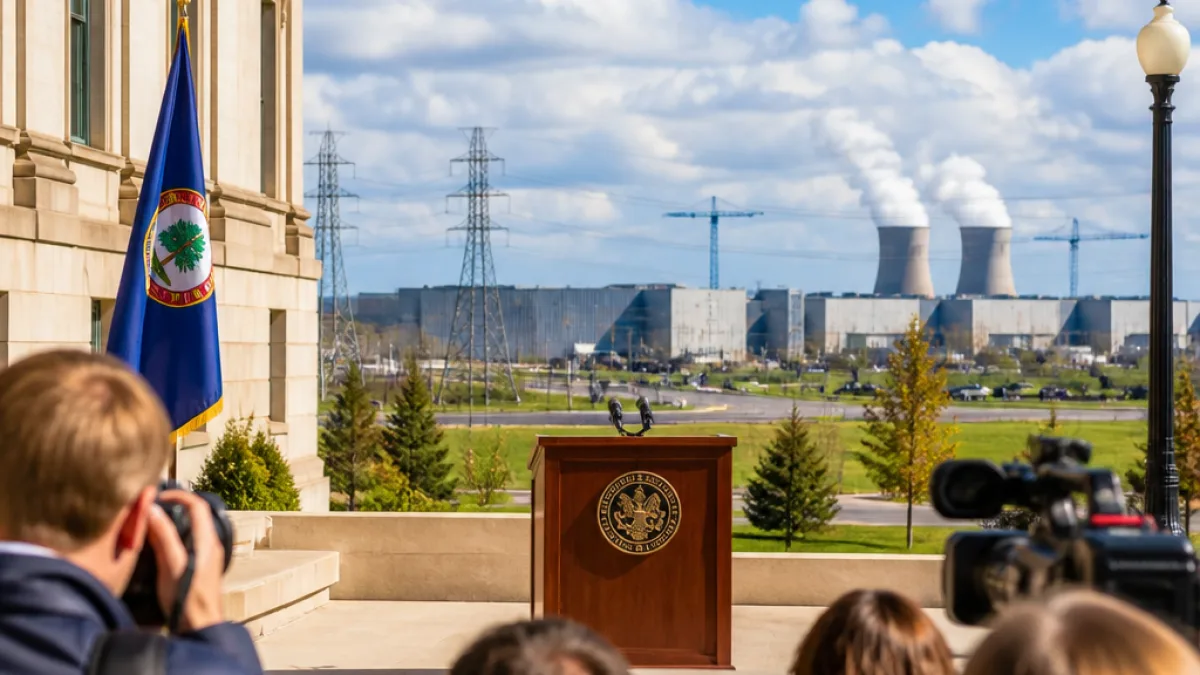
Mathern’s remarks come as Gov. Armstrong scheduled a press conference for Monday, Aug. 3, and as state leaders consider whether to convene a special legislative session. If called, it would be the second special session this year.
What lawmakers might face
Any agenda that extends beyond kratom to include data centers would confront several complex questions that state government has started to grapple with:
| Topic | Policy considerations |
|---|---|
| Electricity & grid | Capacity planning, rates, and potential need for new generation or transmission |
| Tax incentives | Property and sales tax breaks versus long-term revenue implications |
| Local control | How much authority cities and counties have over siting and permitting |
Those are policy debates already playing out elsewhere: states face trade-offs between attracting large technology investments and protecting ratepayers and local interests. In North Dakota’s case, recent activity has pushed the question into immediate focus.
Local officials and utilities will be watching any legislative moves closely. If lawmakers do assemble in a special session, the scope of their authority and the narrowness or breadth of the agenda will shape what steps are possible — from narrowly tailored kratom rules to broader bills on data center siting, tax treatment and energy planning.
The senator’s public comments underline a political reality: technology shifts that once seemed distant are now arriving in the Great Plains, and that arrival is forcing policy choices. For Fargo and nearby communities, the consequences will touch infrastructure planning, municipal budgets and the local economy.
As the state awaits the governor’s press conference, the conversation in the Capitol and among Fargo leaders will likely center on how to balance economic opportunity with public costs — a pragmatic debate suited to a region used to planning for long winters and long-term investments.