Council member asks for local oversight as city weighs pause on new data centers
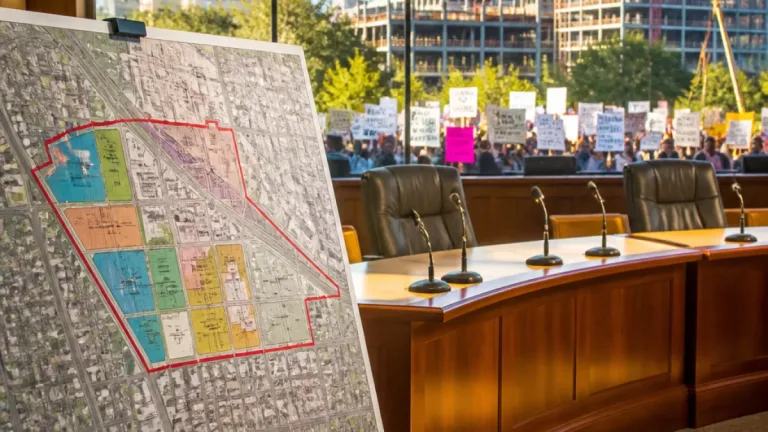
The Fort Worth City Council is moving toward a decision that could pause the arrival of new data centers across the city, and one council member wants the public to have a structured role in the review.
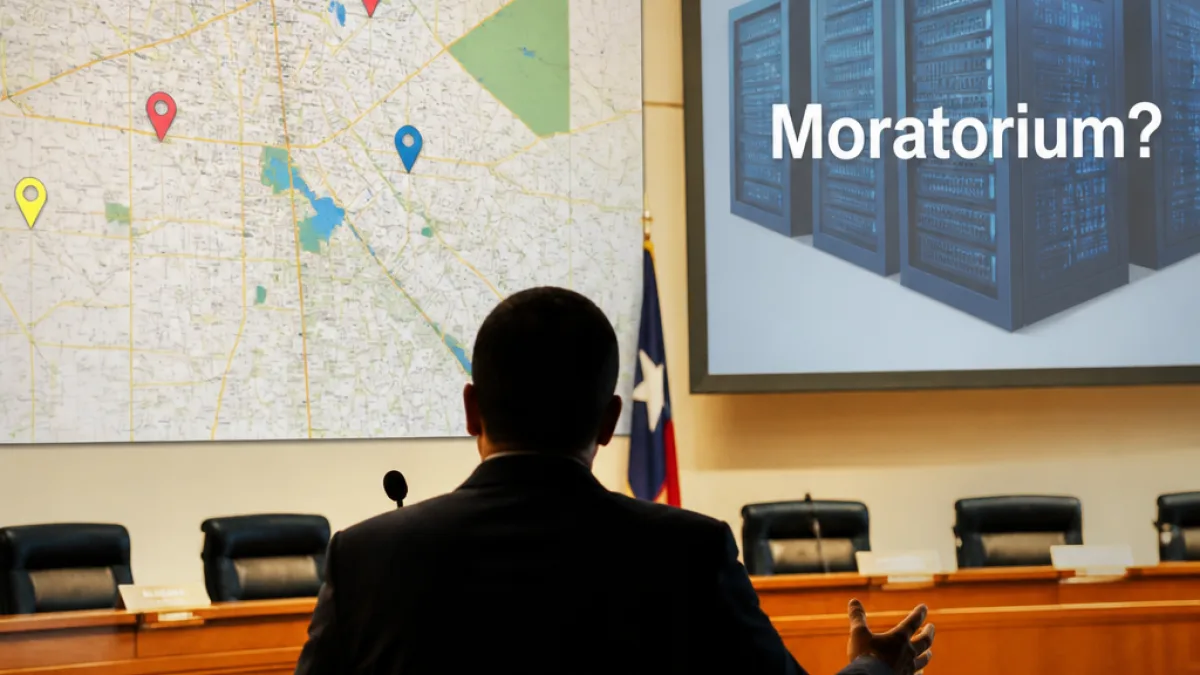
Council Member Jeanette Martinez has formally requested creation of an independent, community-focused Data Center Task Force, according to a July 28 news release. The request comes as the council prepares to consider initiating the legal process for a city-level moratorium on new data center developments at its Aug. 11 meeting.
Martinez said the task force would operate alongside any moratorium process to ensure community voices and subject-matter expertise are part of the conversation about how and where these facilities are developed.
“I have officially requested for the creation of an independent, community-focused Data Center Task Force to keep the public’s interest at the forefront of the discussion surrounding these facilities,” the news release said.
The proposal envisions a group led by "dedicated community members and subject-matter experts," Martinez told a commenter on a social media post about the request. A city spokesperson declined to comment ahead of the council’s Aug. 4 meetings.
What’s at stake for Fort Worth neighborhoods
Data centers are large facilities that house servers and cooling equipment. They can require significant power, generate heat, and shape traffic and land use patterns. For Fort Worth, the debate has touched on growth management, utility capacity and neighborhood character.
- Public input: The task force would provide a structured channel for residents to raise concerns and for experts to explain technical and regulatory aspects.
- Timing: The task force request was made in tandem with council-level consideration of a moratorium to temporarily halt new approvals while policy questions are examined.
- Decision points: The council is expected to consider whether to begin the moratorium process at the Aug. 11 meeting; the agenda for Aug. 4 could address related procedural items.
Fort Worth City Attorney Leann Guzman told reporters the city "does not have an answer to that question yet" about next steps for creating the task force or whether it will appear on the August agenda. Martinez did not return a request for comment on Wednesday, according to reporting by the Fort Worth Star-Telegram.
How the review could proceed
If the council votes to pursue a moratorium, it would start a legal process that temporarily restricts new data center approvals while the city reviews zoning, infrastructure impacts and permit procedures. A task force could advise on:
| Area of review | Potential focus |
|---|---|
| Land use and zoning | Where data centers are allowed and buffering from homes |
| Utilities and infrastructure | Power demands, water and stormwater impacts |
| Community impacts | Traffic, noise and property values |
Across North Texas, municipalities have grappled with balancing economic development that large tech facilities bring against the strain such projects can impose on local systems. Fort Worth leaders now face similar choices: whether to slow approvals for a fuller review and, if so, what controls to put in place.
Next steps and the local context
The City Council’s schedule shows an opportunity for initial discussion at its Aug. 4 meetings and a potential formal move on Aug. 11. If council members back a moratorium, staff would work on the regulatory language and the scope of any temporary restrictions.
For neighbors who have watched heavy industrial or infrastructure projects change their blocks, the idea of a citizen-and-expert task force likely signals a chance for more direct influence. For developers and business advocates, a pause could mean delays in projects and permitting.
Either way, the city’s approach will help determine how Fort Worth accommodates growth in a way that reflects its neighborhoods — something residents here tend to talk about while waiting in line for tacos, voting early or checking on their water bills. The coming weeks should make clear whether the council favors a quick policy fix or a longer, more deliberative path that puts a formal community role at the center of decisions about data centers.