The Sandhills town of Carthage, roughly an hour's drive from Fayetteville, is sharpening its appeal to residents who want a short getaway with historic character, pedestrian streets and locally owned shops. Long known for its buggy factory and late‑19th century structures, the town has leaned into those assets to create a compact downtown that draws daytrippers and shoppers from nearby cities.
Historic backbone, curated downtown
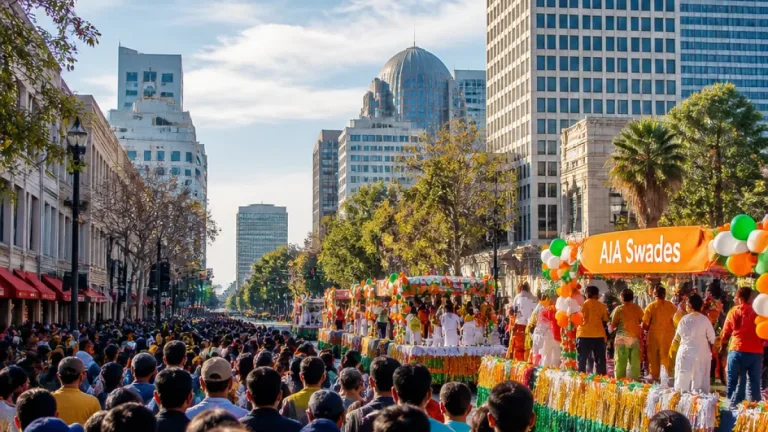
Carthage traces its origins to 1796, but much of the town’s visible character grew during the late 1800s when the Tyson & Jones Buggy Company was a major employer. That manufacturing legacy is now part of the town’s identity: the community preserved the one surviving factory building and celebrates the history yearly with the Carthage Buggy Festival, an event that attracts thousands and features buggy and car shows, music and food.
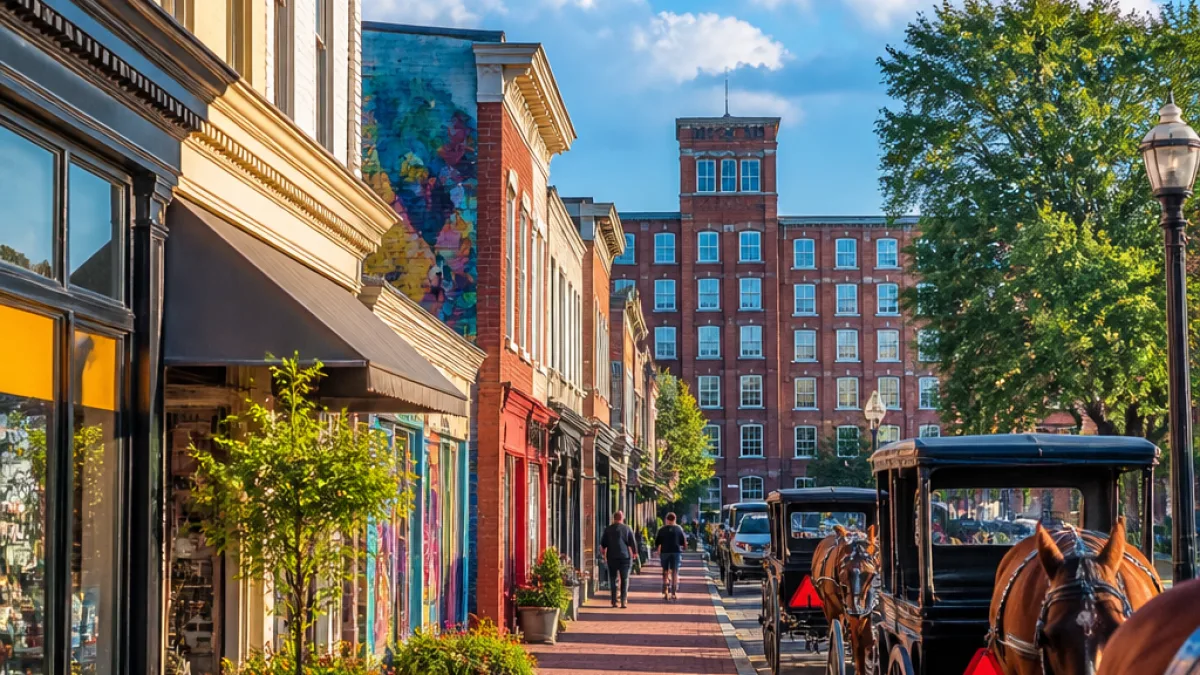
Visitors find a pedestrian-friendly nucleus with sidewalk-lined blocks, small parks and street-level businesses rather than sprawling strip malls. Notable downtown anchors include a 1922 courthouse and the Tyson Sinclair building, a hybrid structure combining a 1905 mansion and a 1940s commercial façade now occupied by local enterprises. Murals and pocket parks, such as Caviness Park, add visual interest and quiet places to pause.
"pedestrian-friendly, sidewalk-lined street blocks"
Retail and dining that reward a short drive
Shops and restaurants occupy much of the downtown’s street frontage, offering a mix of curated home goods, secondhand books and small-batch food options. Examples cited by local guides include Second Chapter Books for readers, and boutiques like Practical Posh, Market 107 and the Vintage Barn for gifts and home décor. The concentration of independent businesses gives the downtown a different feel than larger commercial centers in the region.
- Distance: roughly an hour from Fayetteville, 65 miles south of Greensboro.
- History: founded in 1796; historic growth tied to Tyson & Jones Buggy Company.
- Events: Carthage Buggy Festival draws thousands for cars, buggies, music and food.
Small details, local consequences
For Fayetteville residents, Carthage offers a nearby alternative to more familiar Sandhills destinations. The town’s small scale means visits will look different from a trip to a larger city: leisure walking, boutique browsing and short meals rather than major museums or large entertainment venues. That low‑key profile can be an advantage on weekends when residents want a brief change of scenery without extended travel.
Preservation efforts — keeping the surviving buggy factory building and promoting historic structures — shape both the aesthetic and the economic direction of downtown. Events such as the buggy festival provide periodic boosts to local businesses while also reinforcing the town’s identity. At the same time, a reliance on niche retail and occasional festivals makes the downtown sensitive to seasonal cycles in visitor traffic.
| Feature | Detail |
|---|---|
| Founding | 1796 |
| Historic employer | Tyson & Jones Buggy Company |
| Notable sites | 1922 courthouse; Tyson Sinclair building |
| Park | Caviness Park (small, brick walkways) |
Carthage’s model — preserving visible markers of the past while fostering a walkable core of independent businesses — may appeal to Fayetteville residents who want regional outings grounded in history and small‑business commerce. For shoppers seeking curated finds or families chasing a local festival, that roughly one‑hour drive translates into a practical day trip with a clear sense of place.
As the Sandhills continue to attract leisure traffic for golf resorts and woodland retreats, towns like Carthage sit between preservation and development. Their future role in the local travel economy will hinge on how well they maintain the features that draw visitors: historic buildings, pedestrian streets and community events that scale without overwhelming the town’s small footprint.