
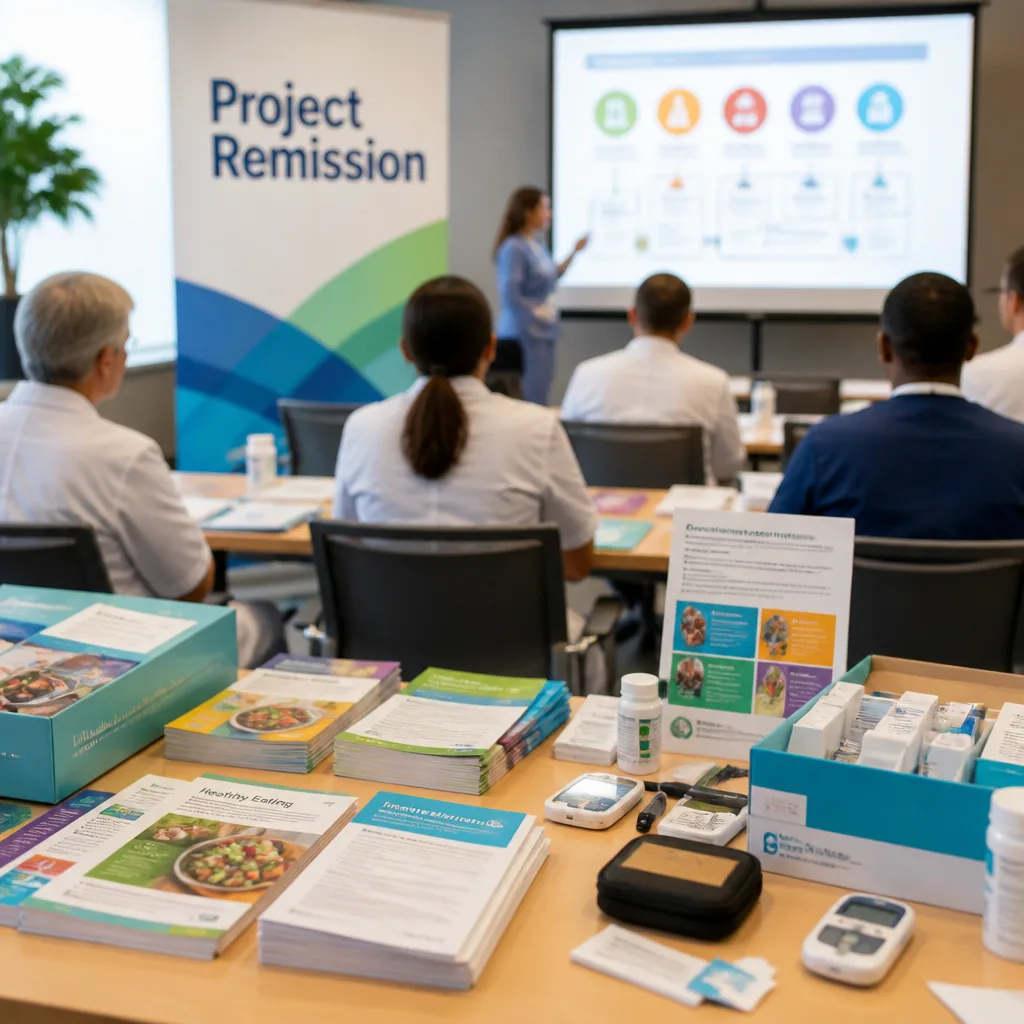
ST. LOUIS — The American College of Lifestyle Medicine has launched Project Remission, a national initiative asking clinicians and health systems to move beyond symptom management and instead pursue remission for certain chronic conditions by addressing underlying causes.
Remission as a clinical goal
The project presents a shift in the long-standing approach to chronic disease, arguing that conditions frequently considered lifelong may be altered or reversed when care targets upstream factors. Project Remission centers on lifestyle-based, root-cause strategies and draws on both scientific literature and practical experience from clinicians applying those methods in real-world settings.
Focus areas and shared drivers
ACLM highlights several high-impact conditions that often share common physiological and behavioral drivers. These include:
- Type 2 diabetes
- Hypertension
- Obesity
The project emphasizes addressing mechanisms such as metabolic dysregulation, dietary patterns, physical inactivity, stress physiology and sleep-related factors as pathways that can change disease trajectories when targeted in coordinated care.
Tools for translating research into practice
Project Remission is described as a platform combining educational materials, clinical evidence, implementation resources and case examples from clinicians and organizations that already use remission-focused care models. ACLM says the initiative provides frameworks and training intended to help health systems incorporate the approach into routine workflows.
“Chronic disease care may fail most by not asking what is truly possible,” said ACLM CEO John Findley, MD, CPE. “The science is clear that remission may be achievable for some patients when we address the root causes of disease—leading to better outcomes, lower costs, and improved quality of life.”
Why the change matters
Chronic physical and mental health conditions represent a large portion of U.S. health care spending. ACLM frames a shift toward root-cause, lifestyle-driven care not only as a clinical opportunity but as a system-level priority that could influence outcomes and costs. The group argues that long-term disease management alone may not be the best standard when remission can be realistic for some patients.
The project builds on ACLM’s previous work on diabetes, including a March 2026 digital film series that focused on lifestyle medicine approaches to type 2 diabetes. By widening the scope, Project Remission aims to demonstrate how similar methods can apply across multiple chronic conditions that share upstream mechanisms.
| Conditions | Shared drivers targeted |
|---|---|
| Type 2 diabetes | Metabolic dysregulation, diet, activity, sleep, stress |
| Hypertension | Dietary patterns, activity, sleep, stress physiology |
| Obesity | Diet, physical inactivity, sleep, stress |
What health systems will need
ACLM’s materials appear aimed at helping clinicians and administrators design care pathways that integrate behavioral counseling, team-based approaches and system-level supports. The organization is positioning Project Remission as both an educational resource and an implementation guide — a bridge between clinical evidence and routine practice.
As systems evaluate care redesign options, the project raises questions about scalability, reimbursement, workforce training and measurement: How will remission be defined and tracked across diverse patient populations? What resources are needed to deliver intensive lifestyle interventions at scale? ACLM’s materials include examples and frameworks intended to address some of these operational concerns.
Project Remission reframes a core question facing U.S. health care: should the default be indefinite disease management, or should systems actively pursue restoration of health where evidence supports it? ACLM is betting some patients and conditions will benefit from the latter approach, and is laying out tools aimed at helping clinicians make that case to health systems and payers.