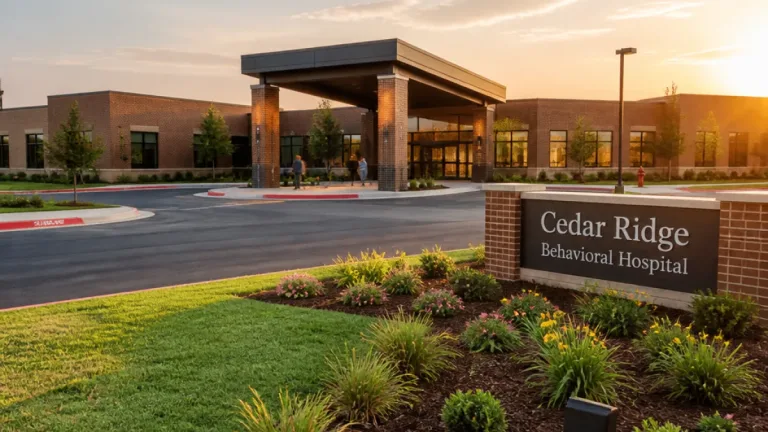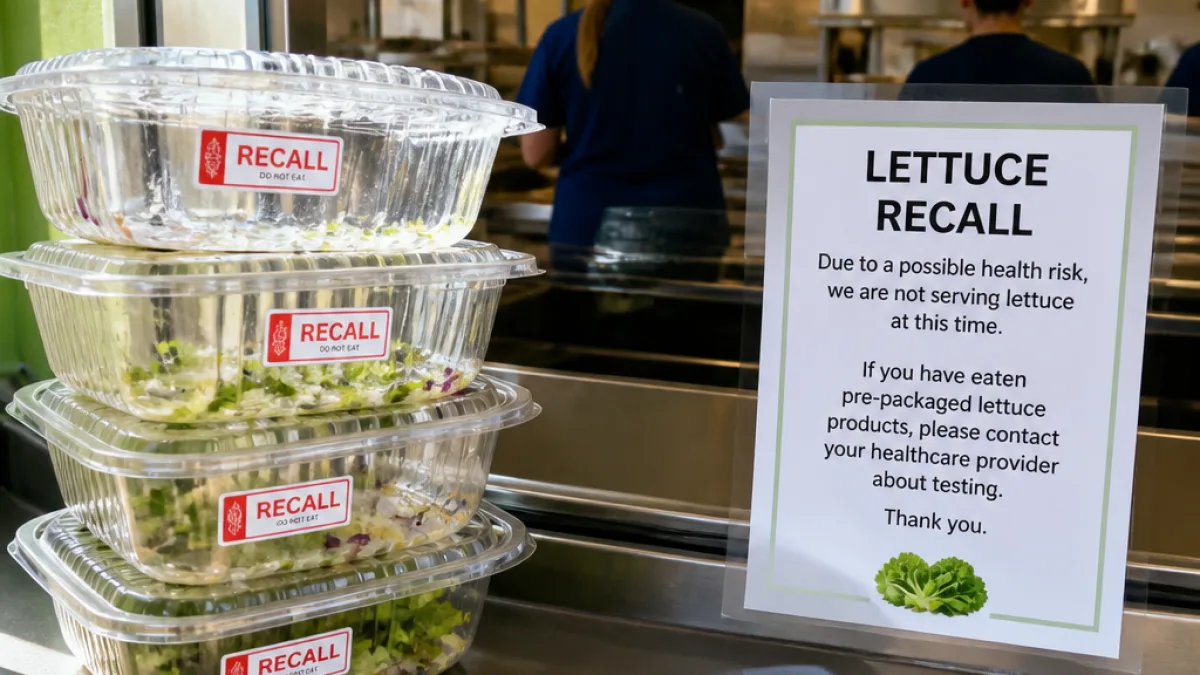
You expect the hospital cafeteria to be a safe place to grab a sandwich between shifts. Instead, Cheshire Medical Center in Keene is fielding an outbreak: the New Hampshire Department of Health and Human Services says nine people have confirmed cases of cyclospora infection after eating lettuce served at the facility.
What officials have found so far
Dartmouth Health, which runs Cheshire Medical Center, reported that the hospital identified 16 total people who were exposed to cyclosporiasis, including 10 employees. Of those exposed, nine have laboratory-confirmed infections. As of the latest update, no inpatients contracted the illness while admitted to the hospital.
| Category | Number |
|---|---|
| People identified as exposed | 16 |
| Employees among those exposed | 10 |
| Confirmed cyclospora cases | 9 |
| Inpatients infected at the hospital | 0 |
Source of the contamination and product recall
The health department says the lettuce tied to the illnesses was later recalled by Taylor Farms and is no longer being served at the hospital. Officials advise that anyone who consumed lettuce products from early June through July 20 and is experiencing severe or persistent diarrhea should consider getting tested for cyclospora.
Symptoms and treatment
Cyclospora is a parasite that typically causes gastrointestinal illness. The department listed common symptoms as:
- Persistent diarrhea
- Low-grade fever
- Nausea
- Stomach cramps
- Fatigue
Without treatment, symptoms can last longer and may relapse, though most people with normal immune systems will recover on their own. Because cyclospora is a parasite, antibiotics are not effective; specific antiparasitic medication prescribed by a clinician is often used for confirmed infections. The health department emphasized testing for people with persistent symptoms who ate the recalled product.
What patients and visitors should know
If you ate cafeteria lettuce at Cheshire Medical Center in the relevant date range and now have ongoing diarrhea or the other symptoms listed, contact your primary care provider or the state health department to discuss testing and next steps. Hospital administrators said no inpatients have contracted the illness during their stay; the confirmed cases involve employees and other people who consumed the lettuce.
For the rest of us, the episode is an unwelcome reminder that food-safety problems can show up anywhere — even under the fluorescent lights of a hospital dining room. If you work in food service, at a hospital, or care for someone with a weakened immune system, consider checking with your employer or health provider for guidance.
Local impact and next steps
The city of Keene and Cheshire County rely on their medical center for both care and employment; outbreaks that affect staff can ripple through daily operations. Dartmouth Health has removed the recalled product and continues to work with public health officials. The state agency will follow up with testing results and any additional recommendations if more cases are identified.
For now, the practical takeaways are straightforward: if you ate the implicated lettuce between early June and July 20 and you are experiencing persistent gastrointestinal symptoms, get tested and seek medical advice. The quicker cases are identified and treated, the easier it is to prevent further spread.
Questions about testing or exposure can be directed to the New Hampshire Department of Health and Human Services or to your health-care provider. Cheshire Medical Center and Dartmouth Health did not report any inpatient transmission and said they are cooperating with state officials.