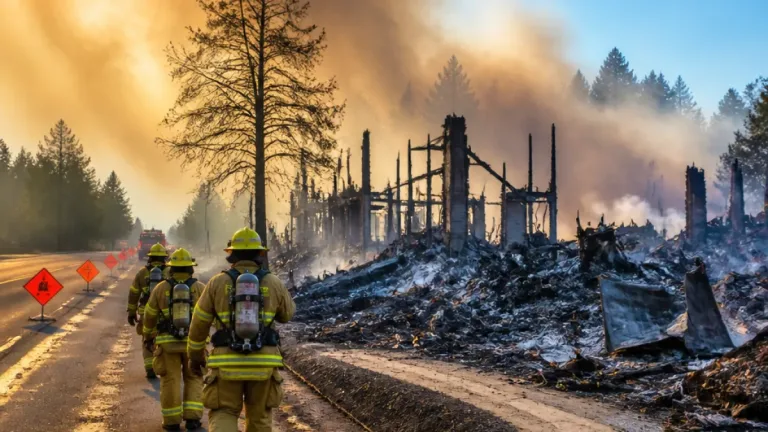

Firefighters in central Oregon prepared for an intensified period of fire activity after forecasts called for strong winds and low humidity through the weekend, raising the risk that the state's largest blazes could grow rapidly and threaten nearby communities.
Priority fire near Sisters remains most urgent
The Akawa Butte Fire, which began July 16 after a lightning strike, has scorched an estimated 42 square miles (109 square kilometers) and destroyed two homes. State officials designated the blaze as the nation’s top priority wildfire because of its proximity to populated areas, a move that allows authorities to call on resources from other states and international partners.
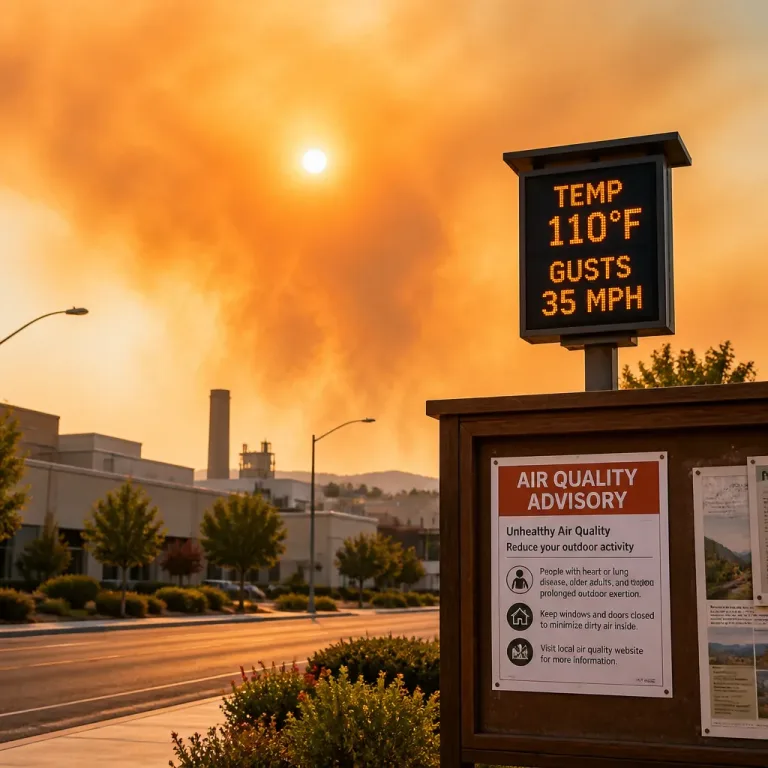
Crews have managed to construct some containment lines around the fire, but officials warned that the forecasted weather — warm temperatures, low relative humidity and gusty winds — could undermine those gains and drive a rapid uptick in fire behavior.
“If we can get through this weekend, we will probably be in a good position moving forward. But right now, we do have the north half of the city under orders to be prepared, to have a plan, to get their things together,”
The warning came from Sisters Mayor Jennifer Letz, who said about half of the town’s roughly 3,800 residents have been advised to be ready to evacuate should conditions worsen. Officials stressed that the most critical period for Sisters is the coming 24 to 48 hours.
Red-flag warning signals extreme wildfire risk
The National Weather Service issued a red-flag warning for parts of central Oregon through Saturday, alerting residents and responders that the combination of dry air, warm temperatures and forecasted winds could create extreme wildfire conditions. Fire managers urged communities in the affected zone to have evacuation plans ready and to heed instructions from local authorities.
Officials reported more than 1,000 firefighters working on the Akawa Butte incident, with additional personnel expected to arrive to strengthen and expand containment lines. State leaders described the response as intensive and coordinated across multiple agencies.
Oregon Gov. Tina Kotek said the top-priority designation for the Akawa Butte Fire would allow officials to mobilize support from other states and international partners. The announcement underscored the seriousness of the situation and the need to pool resources to protect communities and firefighters.
Extreme fire behavior observed
Fire managers reported episodes of extreme fire behavior, including flames reaching heights of about 200 feet (around 61 meters). Officials also observed a pyrocumulus cloud above the flames that generated its own lightning — a sign of extraordinarily energetic fires that can produce unpredictable spread and spot fires well ahead of the main front.
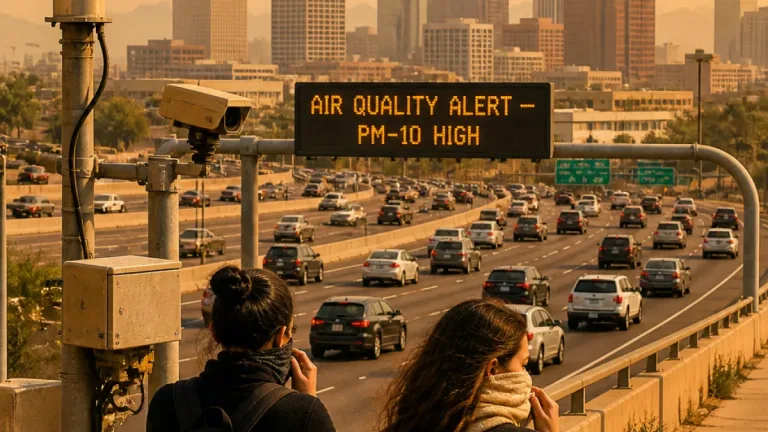
The Akawa Butte incident is one of several large fires burning across Oregon, stretching response capacity and creating challenges for air quality and public health. The state’s fire chief and the governor characterized the situation as demanding an "all-hands-on-deck" response as crews work to protect life and property.
| Statistic | Value |
|---|---|
| Fire start date | July 16 |
| Area burned | 42 sq mi (109 sq km) |
| Homes destroyed | 2 |
| Firefighters on scene | 1,000+ |
- Residents in nearby communities should be ready to evacuate and follow local guidance.
- Red-flag conditions increase the likelihood of rapid fire spread and spot fires.
- Interstate and international resources are being mobilized to support containment efforts.
The unfolding situation in central Oregon highlights how quickly wildfire risk can escalate when weather and fuel conditions align. As climate trends continue to lengthen the fire season and create more frequent periods of hot, dry, windy weather, communities and emergency systems face increasing pressure to adapt and prepare. For now, public safety officials emphasize situational awareness and preparedness during the expected critical period.
News organizations and official agencies will continue to monitor fire activity and forecasts and report any changes that could affect evacuations or air quality.