Council hearing follows clashes after Parkway parade
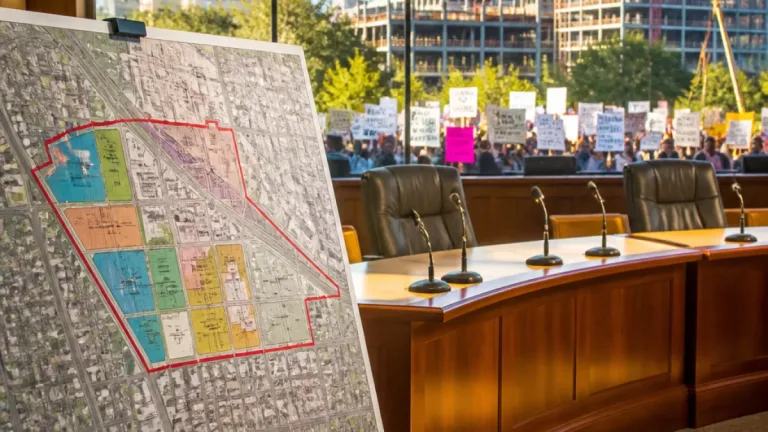
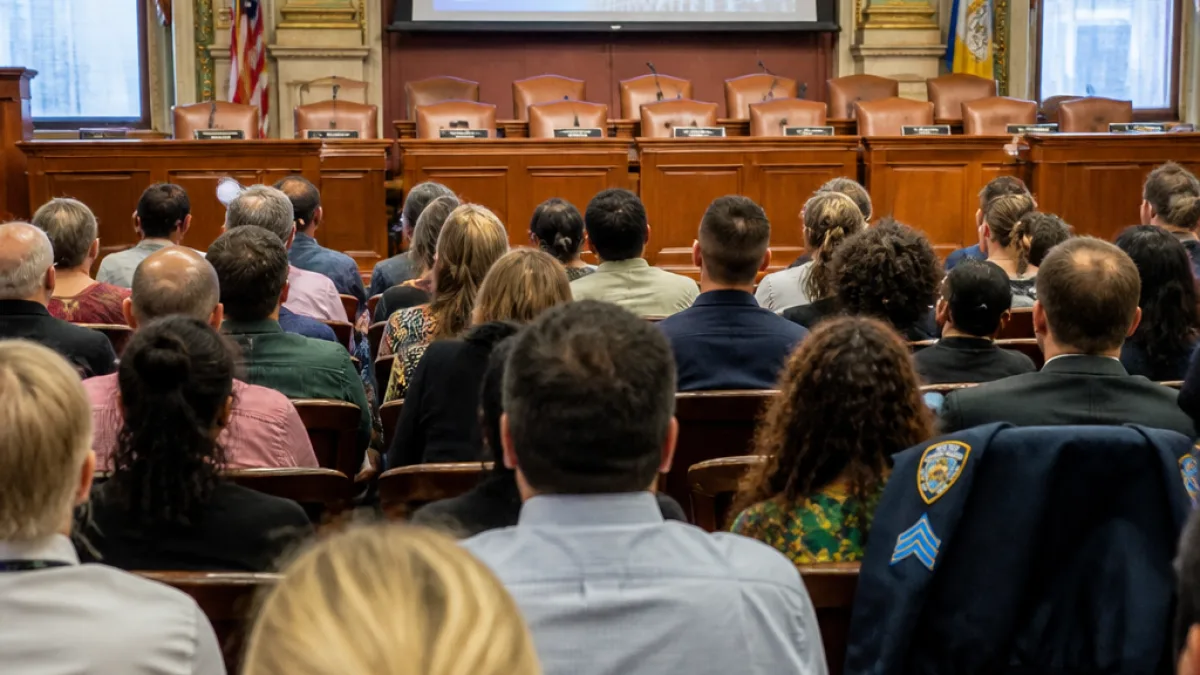
On a humid August evening, Philadelphia City Council gathered to scrutinize police actions during this summer's Pride celebrations, focusing on the clash between officers and attendees after the official parade ended on the Benjamin Franklin Parkway and crowds moved into the Gayborhood. The session brought residents, advocates and police leadership into the same room to recount what many described as an alarming turn of events.
Witnesses at the hearing said the transition from the orderly parade to the informal street gatherings downtown devolved into confrontations that left people feeling unsafe and targeted. Councilmembers pressed for answers about tactics used by officers when crowds dispersed from the Parkway; testimony and public comment outlined a pattern of heavy-handed crowd control during the post‑parade gatherings.
Allegations, policy questions and training promises
Community members testified that officers engaged in a number of aggressive actions, including physical interactions that culminated in arrests. The hearing record shows there were more than a dozen arrests connected to the incidents in the Gayborhood.
Criticism also centered on uniform and equipment choices by some officers. Several attendees and advocates raised concerns that certain officers were wearing masks inconsistent with the department's uniform code, and that use of vehicles and mounted units had a chilling effect on crowds.
"You put motorcycles in the sidewalks where there were too many people, and you did it anyway; you brought horses in to terrify people,"
Councilmember Rue Landau told the panel, voicing frustration over tactics she said escalated tensions rather than calming them.
Police Commissioner Kevin Bethel addressed those concerns, acknowledging the seriousness of the public testimony and the need to re-evaluate methods used to disperse crowds. He singled out the activation of stun devices — commonly referred to as "arcing" or taser deployment — as a practice that will prompt policy review.
"(The officer) was working under the authority of me as a commissioner. As a commissioner, I will change policy to recognize that that can be harmful,"
Bethel also announced plans to require officers assigned to Pride events to undergo training on the history of Pride and policing, and suggested adapting next year's logistics by potentially staging separate events on the Parkway and within the Gayborhood to better manage crowd flow and expectations.
Advocates press for accountability and broader reform
Advocacy groups framed the incidents as symptomatic of a larger problem in how LGBTQ+ residents experience policing, not a one‑off failure tied to a single event. Testimony from organizers and civil liberties representatives stressed that rights to speech, expression and assembly must be protected.
"We are people who deserve the same rights. The First Amendment of the Constitution protects our freedom of speech, freedom of expression, freedom to assemble,"
Naiymah Sanchez, senior organizer with the ACLU of Pennsylvania, articulated the sentiment repeated across the hearing: that public safety measures must not come at the expense of constitutional freedoms or community trust.
Councilmembers and community leaders left the hearing with a clear set of demands: a formal apology for the treatment of attendees, increased independent oversight of police actions at public events, and disciplinary steps for officers whose conduct violated department policy or community standards.
- More than a dozen arrests were reported during post‑parade gatherings in the Gayborhood.
- Criticism focused on use of motorcycles, mounted units and mask use inconsistent with uniform code.
- Police Commissioner pledged policy review and additional training for officers assigned to Pride events.
Looking ahead to Pride 2027 and oversight questions
As the city gears up for next year's Pride observances, the hearing served as an early planning checkpoint. Commissioner Bethel's suggestion to hold two distinct events — one on the Parkway and another in the Gayborhood — is intended to separate official programming from informal street celebrations, though advocates at the hearing argued that logistical changes alone will not heal frayed trust.
The council hearing made plain that residents expect concrete follow-up: revised policies governing crowd control and use-of-force, transparent disciplinary reviews, and sustained community engagement to ensure future policing aligns with both constitutional protections and the city's commitment to public safety.
The mayor issued a statement following the hearing, underscoring the city’s attention to the matter. Councilmembers signaled plans for continued oversight as they consider policy recommendations and potential legislative responses in the months ahead.