Housing shortage shaping everyday life in Virginia Beach
Virginia Beach is grappling with a familiar pattern: constrained housing supply, rising costs and consequences that ripple through schools, services and neighborhoods. A recent column revisiting a 2004 opinion — titled “Density Is Not a Four-Letter Word” — argues the city’s current challenges are the product of many small land-use decisions that cumulatively limited options for new housing.
The column cites national data to underscore the scale of the problem. According to the Federal Reserve’s 2026 Economic Well-Being of U.S. Households report, 49% of Americans under 30 now live with a parent, and nearly half of that cohort received financial assistance in the past year, with housing costs among the leading reasons. Locally, the piece says, those pressures are visible in public services and population metrics: school enrollment in Virginia Beach has fallen 7% over the past decade and population growth has stalled.
- Housing shortages are pushing teachers, nurses, firefighters and military families out of the communities they serve.
- Declining enrollment and stalled population growth are eroding the city’s long-term vitality and affecting school planning.
- Underbuilding housing drives competition for existing homes, which raises property values and, ultimately, property tax bills for homeowners.
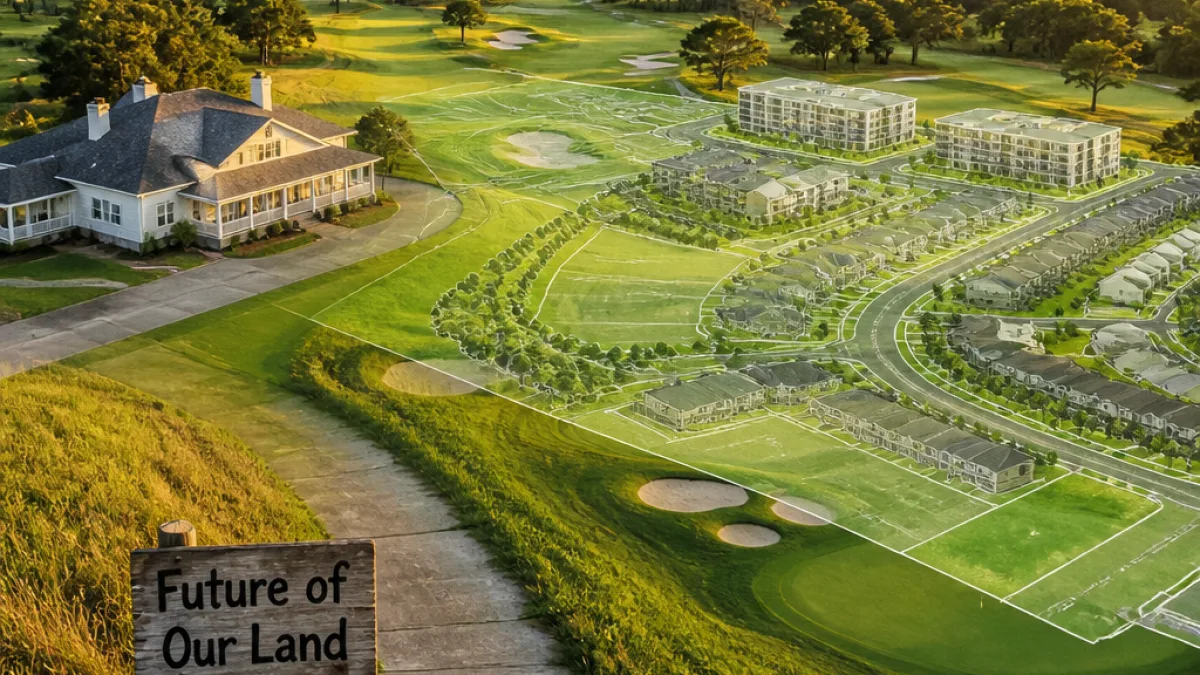
The column frames the debate around the Virginia Beach National Golf Course not as a binary choice between recreation and development, but as a potential chance to pursue housing solutions that meet multiple needs. That framing places the city’s land-use decisions at the center of efforts to restore affordability.
“When a community makes housing scarce, affordability eventually becomes a casualty.”
What this means for local residents and services
The arguments in the piece connect broad economic data to local consequences. If housing remains scarce relative to demand, the immediate effect is competition that pushes home prices and rents higher. For a city with a large public-sector workforce and a sizable military-connected population, that dynamic can reduce the available pool of workers who can live in the communities they serve.
Declining school enrollment is one measurable effect. School systems base staffing, facility use and long-term planning on student counts. A sustained 7% drop in enrollment over a decade, as cited in the column, can lead to school consolidations, shifts in staffing patterns and changes in capital investment priorities — all of which affect families, teachers and neighborhoods.
Costs beyond housing: childcare and household budgets
The column notes the interplay between housing and other household expenses, citing Federal Reserve reporting that for families paying both housing and childcare, childcare spending is often at least half the cost of housing. Taken together, those two categories dominate many family budgets and can constrain mobility and lifecycle decisions — delaying home purchases, family expansion or moves that would support career opportunities.
| Measure | Figure |
|---|---|
| Americans under 30 living with a parent | 49% |
| Virginia Beach school enrollment change (10 years) | -7% |
Decisions ahead for the city
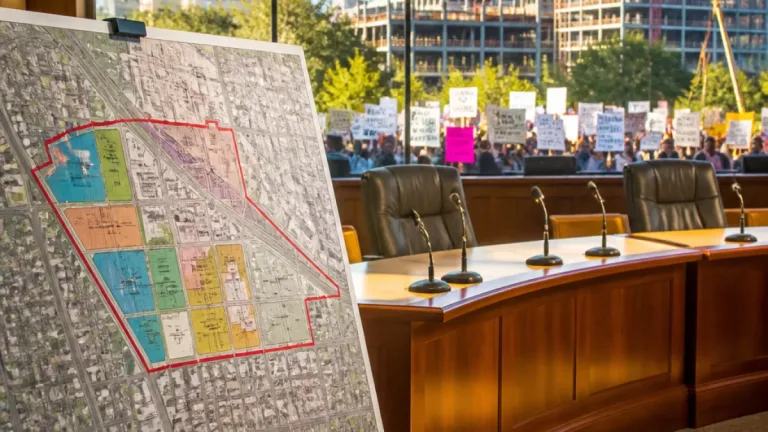
Local officials and residents will face choices about whether and how to allow growth that increases housing supply. The column suggests past decisions to block or limit new housing additions — often made to protect existing neighborhood character — have aggregated into today’s shortage. If the city elects to pursue housing on sites such as the National Golf Course, planners will need to balance neighborhood concerns, infrastructure capacity and affordability goals.
Those choices also carry fiscal implications. Underbuilding can lift property values for existing homes, increasing tax bills and altering the distributional effects of local taxation. Conversely, deliberately expanding housing supply in strategic locations can relieve pressure on prices and broaden options for workers and families who want to live in Virginia Beach.
As the community discusses the future of the golf course and other potential development sites, residents, civic leaders and planners will be weighing competing values — preservation and recreation, neighborhood character and regional affordability. The column’s central point is procedural as much as policy: incremental decisions add up, and today’s options will shape the city’s housing trajectory for years to come.
How Virginia Beach chooses to use its land will determine whether the city can restore the balance between housing supply and demand, retain key workers, and stabilize enrollment and tax burdens — or whether the pattern of scarcity continues to define life for local families.