RICHMOND, Va. — Virginians will cast ballots Tuesday in primary elections to select nominees for U.S. Senate and the U.S. House of Representatives, marking the commonwealth’s third statewide election in nine months. The results will narrow fields in several competitive districts that could influence which party controls the closely divided U.S. House this fall.
Redistricting drama still shapes contests
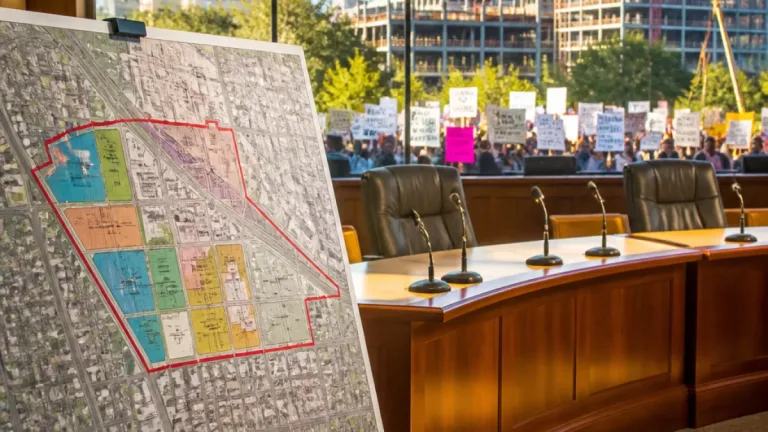
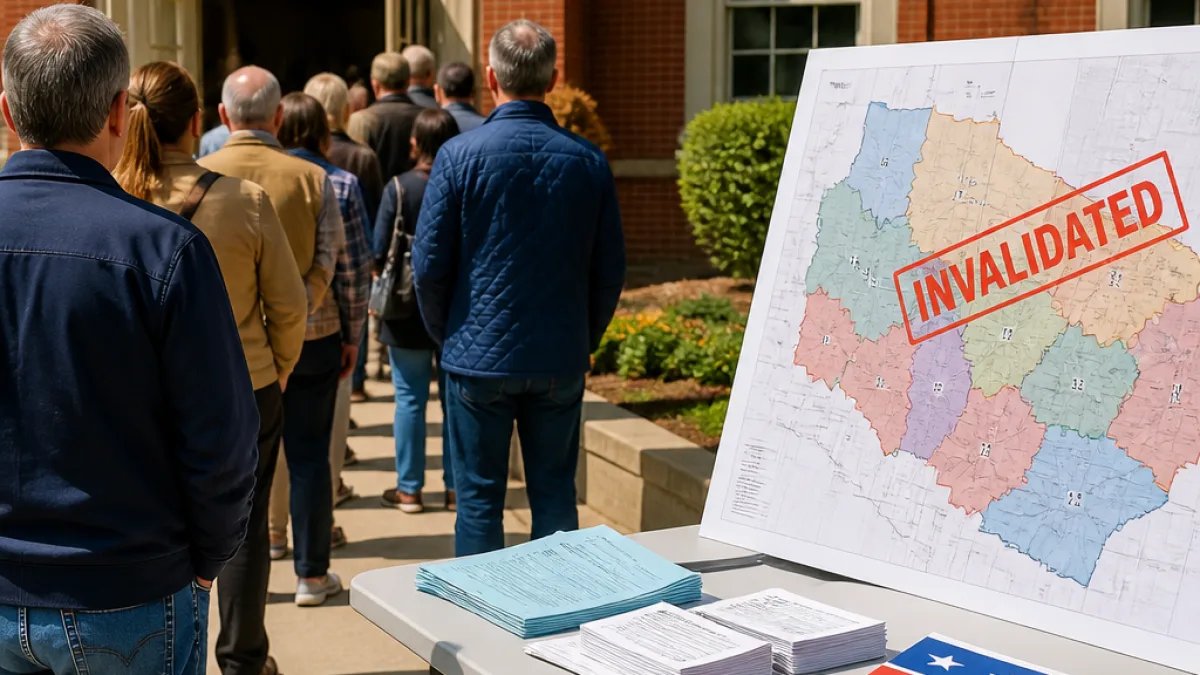
The primaries will proceed under Virginia’s existing congressional map after the state Supreme Court invalidated a newly adopted, more Democratic-leaning map less than three weeks after voters approved it in April. That decision means incumbents and challengers are contesting familiar district boundaries rather than the map voters briefly backed.
Legal and political fallout from the failed redistricting effort reflects a nationwide push by Republican officials in several states to redraw lines earlier than usual — a strategy aimed at preserving or expanding party advantage ahead of the 2026 midterm elections.
Seats to watch
Under the current map, several House contests look pivotal. The most closely watched races include:
- 2nd Congressional District: A likely battleground where a rematch may form between two-term Republican Rep. Jen Kiggans and Democrat Elaine Luria, the former congresswoman she unseated in 2022. Luria is among four Democrats competing for their party’s nomination and stands out in fundraising and available cash as of mid-July. Kiggans is unopposed in the Republican primary.
- 1st Congressional District: A contested Democratic primary with seven candidates seeking to challenge long-serving Republican Rep. Rob Wittman, who is unopposed for renomination. The field includes Henrico County Commonwealth’s Attorney Shannon Taylor and several other Democratic hopefuls.
- 7th Congressional District: Freshman Democratic Rep. Eugene Vindman faces no primary opposition as he seeks a second term. The Republican side is sorting out a separate primary to determine his November opponent.
These contests come against the backdrop of a narrowly divided House, where each seat is amplified in importance for both parties as they look to secure a working majority in November.
Who’s running where
The primary fields reflect a mix of established officeholders and newcomers. Key names and situations noted in pre-election coverage include:
| District | Notable candidates or status |
|---|---|
| 1st | Seven Democrats competing; incumbent Rep. Rob Wittman unopposed (Republican) |
| 2nd | Democratic primary with four candidates including Elaine Luria; Rep. Jen Kiggans unopposed (Republican) |
| 7th | Rep. Eugene Vindman unopposed in Democratic primary; Republicans have a separate contested primary |
What the outcomes could mean
Even before ballots are counted, campaign strategists and national operatives were watching Virginia as part of a broader battlefield in the fight for the House. Where Democrats nominate a high-profile, well-funded challenger, Republicans may face tougher general-election tests; where incumbents are unopposed in their primary, they can conserve resources for the fall campaign.
For voters, the primaries will narrow choices and set the stage for a fall in which control of the U.S. House may hinge on a handful of districts. The invalidated map and its legal aftermath mean campaigns will continue to adapt messaging and turnout plans based on the familiar district lines in place for this cycle.
Practical note for voters
Tuesday’s primaries determine party nominees who will appear on the November ballot. Voters in Virginia choose whether to participate in either the Democratic or Republican primary, and results will shape matchups across a range of districts this fall.
Polls and local election officials will provide specific voting hours and precinct assignments. Voters with questions about eligibility, locations or identification requirements should consult their local general registrar or the Virginia Department of Elections for authoritative guidance.
As the day ends and results begin to roll in, attention will quickly turn to how nominees perform in the general election — and whether Virginia’s outcomes move the needle in the broader battle for control of Congress.