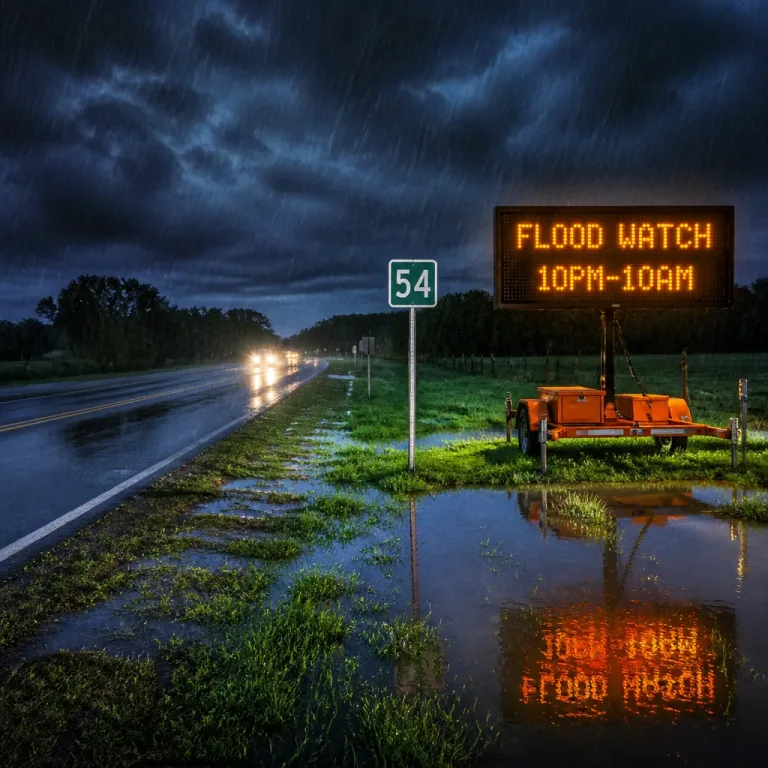
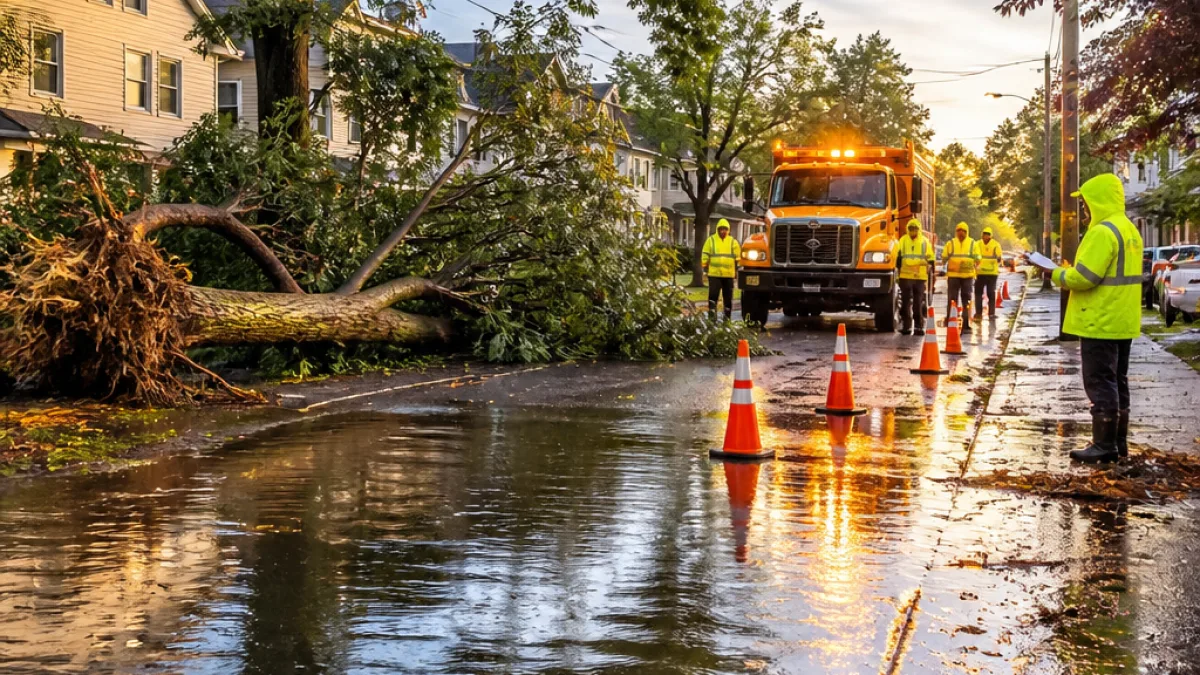
Yonkers awoke to widespread travel disruption after overnight showers and thunderstorms moved through the Hudson Valley, leaving standing water on local streets and knocking down trees in some neighborhoods.
On-the-ground assessment
News 12’s Lisa LaRocca was in Yonkers early Wednesday morning monitoring the latest road conditions as the city assessed the immediate fallout from heavy rain and gusty winds. While some arterial streets across the Hudson Valley have since reopened, the report noted that flooding, storm damage and fallen trees continue to pose problems for drivers and residents.
Traffic monitors and emergency crews concentrated on low-lying roadways and intersections where stormwater pooled, producing slick surfaces and, in places, temporary closures. The scenes mirrored broader regional impacts described across the Hudson Valley: roads snarled by standing water, motorists stranded and renewed attention to persistent drainage issues.
Primary problems reported
- Flooding: Localized inundation on city streets that slowed traffic and required caution from drivers.
- Downed trees and debris: Trees continued to fall across the region days after storms, affecting roadways and power lines.
- Ongoing drainage concerns: The storm renewed questions about longstanding drainage points that repeatedly flood during heavy precipitation.
News reports across the region also documented hazardous driving conditions driven by heavy rain, thunderstorms and damaging winds. Authorities and utility companies remained on alert for additional tree failures and service interruptions as crews conducted assessments.
Health and safety considerations
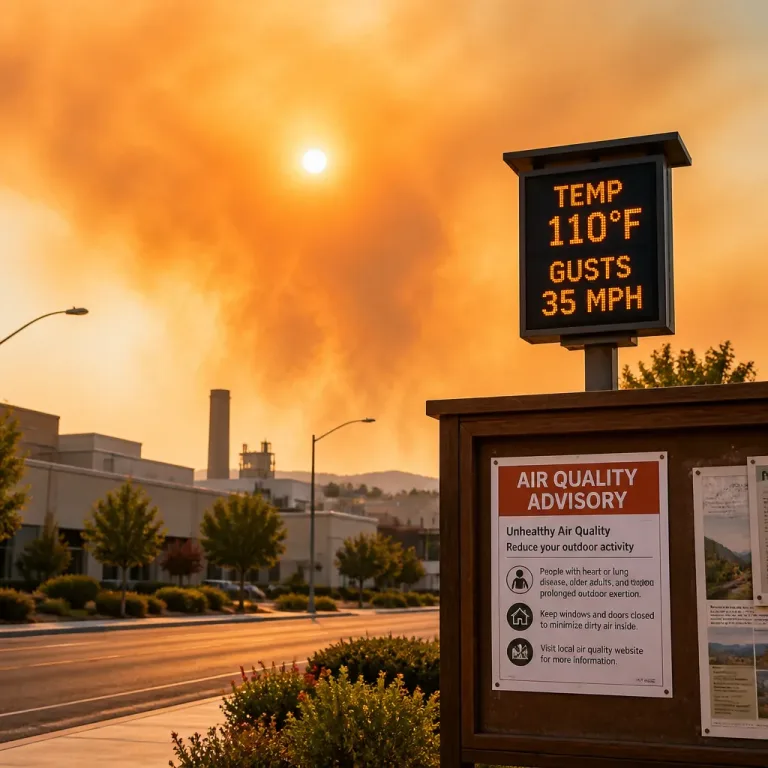
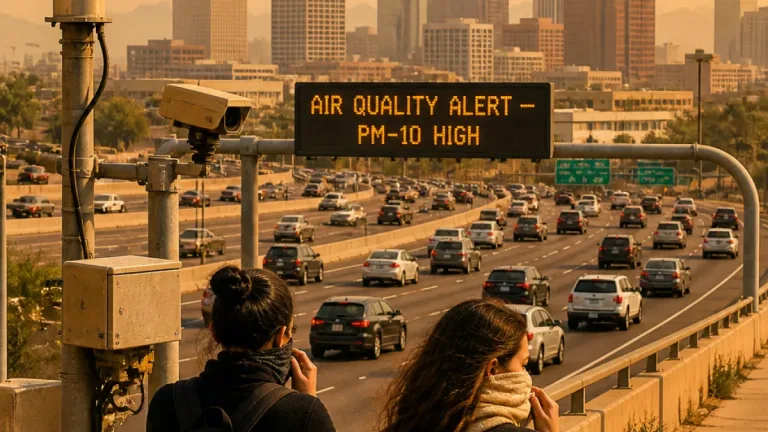
Earlier regional coverage accompanying the weather reports raised broader public-health issues related to the same weather patterns. Health officials warned that separate environmental factors—such as wildfire smoke that has affected parts of the Northeast—can exacerbate heart and respiratory conditions, a reminder that storm events and air quality risks may converge to affect vulnerable residents.
"monitoring the latest road conditions."
While the quote above reflects News 12’s on-scene reporting, Yonkers residents should remain alert to evolving conditions: standing water can hide hazards, and wind-damaged trees can fall without warning. Drivers are advised to avoid flooded streets, and pedestrians should steer clear of downed branches and damaged infrastructure.
| Issue | Reported impact |
|---|---|
| Flooded streets | Slowed or stalled traffic, temporary road closures |
| Fallen trees | Blocked roads, potential power outages |
| Drainage problems | Recurring localized flooding during heavy rain |
City officials and public works crews typically respond to these conditions by clearing debris, opening blocked drains where safe to do so and coordinating with utility companies to restore service when outages occur. Residents should check official Yonkers municipal channels and local media for updates on road closures and recovery efforts.
What remains clear is that heavy summer storms continue to test the city’s drainage infrastructure. Repeated flash-flooding and falling trees are not just transient annoyances; they reveal pressure points for municipal maintenance and emergency response systems that will require attention as weather patterns deliver increasingly intense downpours in short periods.
For now, motorists in Yonkers are urged to slow down, avoid standing water, and give emergency and public-works crews room to operate. If confronted with a flooded roadway, turn around; do not attempt to drive through high water. Check local traffic reports and official advisories before making nonessential trips.
News 12’s ongoing live coverage and local updates remain a primary source for residents seeking real-time road and weather information as crews continue to clear streets and assess damage across the city.