DES MOINES — Democratic candidates in several of Iowa's most competitive legislative races enter the fall with larger campaign coffers than their Republican opponents, according to newly filed reports. But the statewide picture is more complex: Republican legislative leaders and party organs are building substantial resources that could be deployed where the GOP needs them most.
Money follows strategy as Legislature and governor's race loom
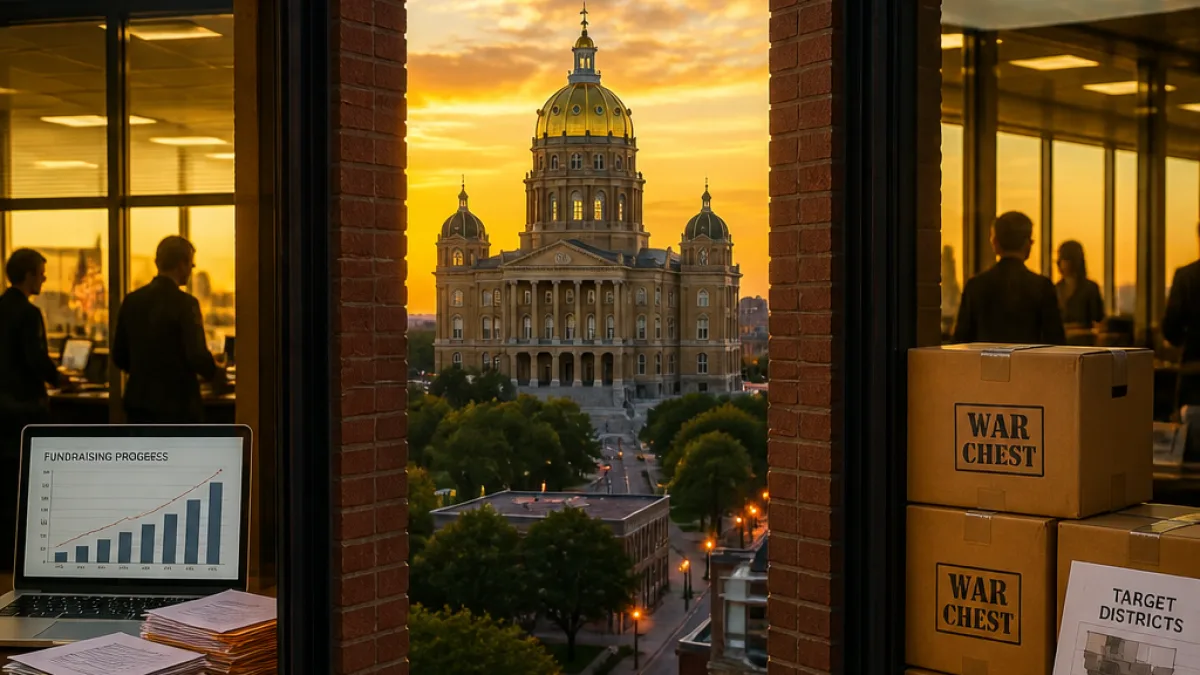
Campaign finance filings show the Iowa Democratic Party raised roughly $1.6 million in the most recent reporting period, more than double the $791,690 reported by the Republican Party of Iowa. At the same time, Republican legislative leaders are reported to be outraising their Democratic counterparts, accumulating sizable war chests to support targeted challenges.
The fundraising landscape matters because the balance of power in the Iowa Legislature will shape the first half of a potential term for Democratic nominee Rob Sand, the state auditor and the party's hopeful to reclaim the governor's office. Sand faces Republican businessman Zach Lahn in the general election.
Republicans currently hold a commanding 67-33 supermajority in the Iowa House. In the Senate, recent Democratic special-election victories have trimmed the GOP majority to 32-17, leaving the chamber just short of a supermajority. Control of one or both chambers would determine how easily a governor could advance an agenda and how much influence legislative leaders retain over priorities.
Where Democrats’ cash advantages show up
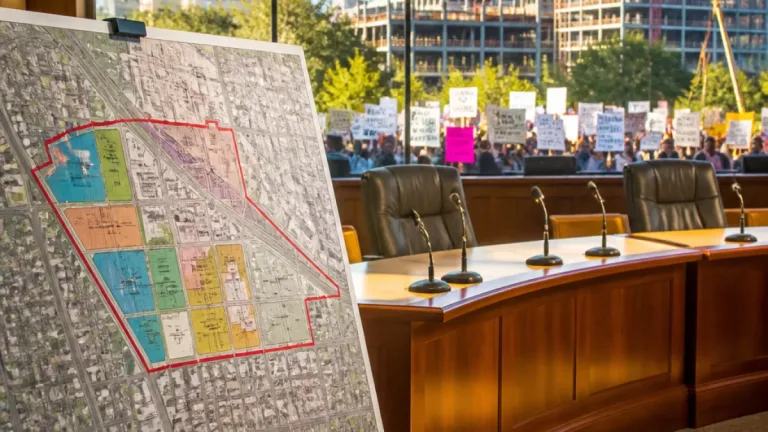
Several of the races where Democratic legislative candidates hold notable cash advantages are clustered in the Des Moines metropolitan area and include two Senate seats on opposite sides of the state that Democrats flipped in special elections last year. Those districts are expected to draw intense attention — and spending — in the weeks before Election Day, when candidates typically ramp up advertising and direct mail.
- Des Moines-area House and Senate contests are viewed as competitive.
- Democrats aim to capitalize on a favorable national environment and a gubernatorial ticket led by Sand.
- Republican leaders are stockpiling funds to concentrate on the tightest races and preserve legislative majorities.
Legislative campaign committees and state parties commonly direct resources to candidates engaged in costly fall campaigns. Even when individual candidates lag in fundraising, support from leadership and party committees can substantially change the playing field during the final weeks.
Fundraising data at a glance
| Entity | Recent period receipts |
|---|---|
| Iowa Democratic Party | $1,600,000 |
| Republican Party of Iowa | $791,690 |
| Iowa House GOP majority | 67–33 |
| Iowa Senate GOP majority | 32–17 |
Those numbers, culled from filings with the Iowa Ethics and Campaign Disclosure Board, reflect only a snapshot in a long campaign season. Candidates and committees continue to raise and spend, often shifting priorities as polling and voter outreach refine their strategies.
Why leadership fundraising matters
While individual candidates' treasuries are important for running a basic campaign, leadership groups and state party committees can amplify resources where races are tight. That dynamic helps explain why Democrats can show advantages in certain competitive districts even as Republican leaders amass larger sums to funnel into targeted contests.
For voters, the practical effect is often more advertising, mailers and get-out-the-vote operations in closely contested districts. For incumbents and challengers alike, it can make the difference between a single visit from a statewide surrogate and a sustained, well-funded field effort.
With the Nov. 3 general election approaching, both parties are likely to increase spending in districts that could decide control of the House and Senate. The outcome will shape not only legislative policy in Iowa but also how much latitude a new governor — if the Democrats retake that office — would have to implement an agenda.
As the campaign season moves into its final months, expect continued shifts in fundraising reports and an intensification of targeted expenditures from both state parties and legislative leaders.