Michigan’s Democratic primary for the U.S. Senate on Aug. 4 set up a clear contest over the party’s future direction, as voters weighed a clash between a progressive insurgent and a candidate identified with the party establishment.
On one side is Abdul El‑Sayed, who has drawn the high‑profile backing of Sen. Bernie Sanders. On the other is four‑term U.S. Rep. Haley Stevens, supported by Senate Democratic leader Chuck Schumer. The race gave Michigan — a perennial battleground in presidential and Senate politics — a spotlight as a test of whether Democrats in a Midwestern swing state prefer a dovish, establishment approach or a bolder progressive agenda.
What made this primary nationally significant
Democrats and political observers saw the Michigan primary as one of the clearest gauges so far of the national party’s tactical and ideological balance heading into the fall and beyond. Because Michigan played a decisive role in recent presidential elections, choices by Democratic primary voters here carry outsized symbolism for national strategists and activists alike.
The race also unfolded amid other high‑profile midterm primaries around the country, but Michigan’s contest drew particular attention because the outcome could influence candidate recruitment and messaging strategies in a state where Democrats and Republicans repeatedly trade narrow margins.
On the ground: turnout and atmosphere
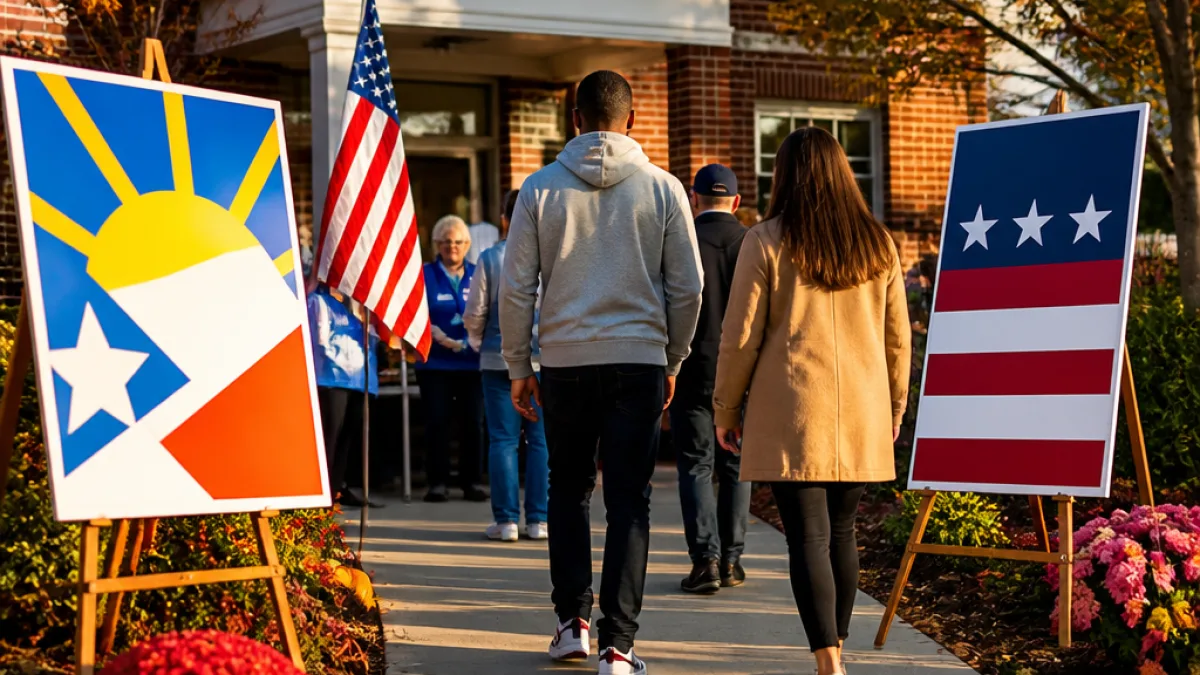
Voters were seen at polling places across Michigan. In Birmingham, Rep. Stevens cast her ballot at a public library and described turnout as uneven — a mix of steady arrivals and slow periods — while expressing optimism about her campaign’s energy.
“We’re getting everybody all excited and we’re ready for tomorrow. I think we’re seeing a lot of great turnout.”
That account — offered while Stevens spoke with reporters — underscored how campaigns sought to frame the narrative on Election Day. Local engagement, organizers said, would be critical to securing a win in a primary that would set the stage for a competitive general election in November.
Who is backing whom
The endorsements in the race crystallized the split: Sanders’ support for El‑Sayed aligned him with the progressive wing pushing for Medicare‑for‑All, stronger climate policies and an aggressive economic equity agenda, while Schumer’s backing of Stevens signaled confidence from sitting congressional leadership in her experience and perceived electability in a general election.
| Candidate | Notable Backer |
|---|---|
| Abdul El‑Sayed | Sen. Bernie Sanders |
| Haley Stevens | Senate Majority Leader Chuck Schumer |
Implications for November and beyond
Whichever Democrat emerges from this primary will carry the party’s hopes in a race to replace a retiring incumbent in a state Democrats view as winnable but not guaranteed. The primary result will influence how national Democratic groups allocate money and advertising, and how they approach messaging in Rust Belt communities whose loyalties have shifted in recent cycles.
For progressives, a win by El‑Sayed would be read as validation that the party’s left flank can win statewide in a Midwest battleground. For the party establishment, a Stevens victory would reinforce the argument that experienced, moderate Democrats are the safer general‑election candidates in competitive states.
Practical takeaways for Michigan voters
- Primary voters determined who will represent Democrats in a pivotal Senate race this fall.
- Turnout patterns in August primaries can foreshadow mobilization capacity for November.
- Endorsements from national figures shaped perceptions of electability but did not replace local campaigning and voter outreach.
As results were tallied and analysis began, political operatives on both sides watched how organizing, fundraising and endorsements translated into votes. Michigan’s primary will not only choose a nominee but also offer a snapshot of where parts of the Democratic coalition stand ahead of a consequential autumn cycle.
The stakes were clear to voters and party leaders: the winner would leave the primary with momentum heading into a fall fight that could help determine control of the U.S. Senate.